Embrace natural wellness with HerbalVoice. Expert insights on herbal remedies, superfoods, and holistic health to help you boost immunity, find balance, and thrive. Your journey to vibrant, natural living starts here
Unlocking the Transformative Power of Sleep
Discover why sleep is essential for brain health, immunity, and longevity. Neuroscientist Matthew Walker reveals science-backed strategies to harness sleep's transformative power for a healthier life.
2/7/202614 min temps de lecture
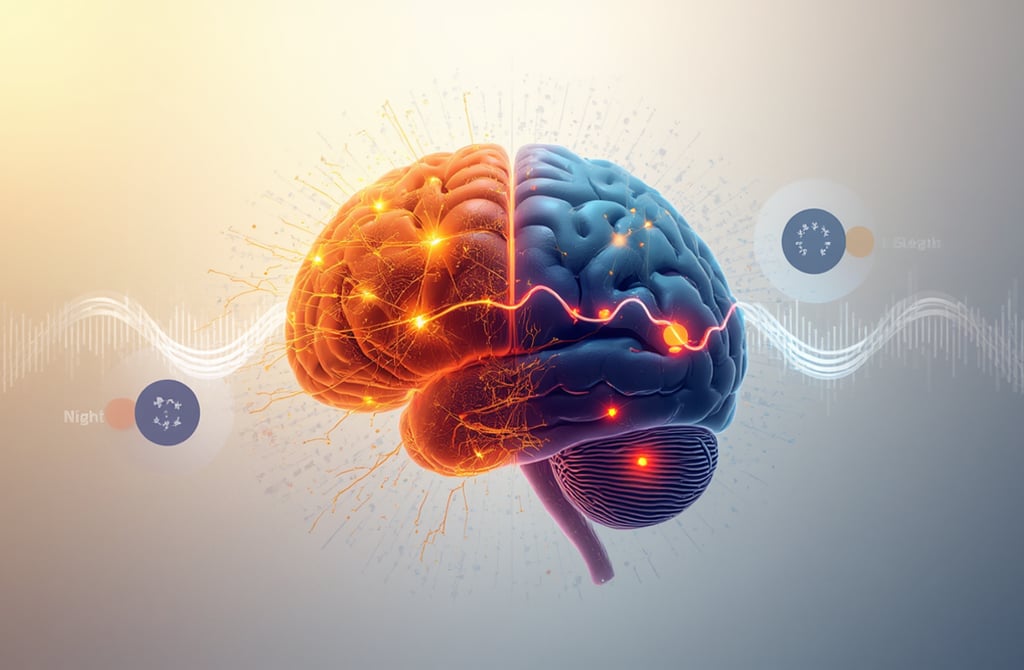
Why We Sleep: Unlocking the Power of Sleep and Dreams
How Understanding Sleep Science Can Transform Your Health, Memory, and Longevity
Introduction: The Most Neglected Health Pillar
You probably know you should sleep more. Maybe you've told yourself you'll catch up on the weekend, or convinced yourself that you're "fine" on six hours. Here's what neuroscientist Matthew Walker wants you to know: you're not fine, and the consequences are far more serious than feeling groggy.
In Why We Sleep, Walker—a UC Berkeley professor and sleep researcher—delivers what Bill Gates called "an important and fascinating book" that fundamentally changes how we think about those hours we spend unconscious. This isn't another self-help guide telling you to establish a bedtime routine. It's a scientific exploration that answers a question humanity has pondered for millennia: why do we spend a third of our lives asleep?
The answer turns out to be staggering. Sleep isn't downtime or wasted hours. It's when your brain consolidates memories, processes emotions, clears toxic proteins linked to Alzheimer's, regulates hormones that control appetite and metabolism, and quite literally keeps you alive. The research Walker presents demonstrates that sleep deprivation doesn't just make you tired—it compromises virtually every biological system in your body.
What makes this book essential reading is how it connects sleep to everything that matters: learning capacity, emotional stability, immune function, cardiovascular health, weight management, and even cancer risk. Walker marshals decades of research and clinical practice to show that the modern epidemic of sleep deprivation isn't just making us tired—it's making us sick, anxious, overweight, and cognitively impaired. But here's the good news: unlike many health factors, sleep is something you can actually control and improve starting tonight.
The Science of Sleep: What Actually Happens When You Close Your Eyes
Sleep seems passive—you lie down, lose consciousness, wake up. But your brain during sleep is anything but inactive. Actually, it's orchestrating an incredibly complex series of processes that literally cannot happen while you're awake.
Walker explains that sleep occurs in cycles, each lasting roughly 90 minutes and consisting of two main types: non-REM (NREM) sleep and REM sleep. NREM sleep has three stages, with stage three being deep sleep—the most restorative phase for your body. This is when growth hormone releases, tissues repair, and your immune system strengthens. Deep sleep also acts like a pressure washer for your brain, clearing out metabolic debris that accumulates during waking hours, including beta-amyloid proteins associated with Alzheimer's disease.
REM sleep, named for the Rapid Eye Movements that occur during this phase, is when most vivid dreaming happens. But dreaming isn't just random neural noise. Walker's research reveals that REM sleep serves critical functions: emotional processing, creative problem-solving, and memory integration. During REM, your brain essentially creates a virtual reality simulation where it can safely process emotional experiences, connect disparate pieces of information, and find novel solutions to problems that stumped you while awake.
The two-process model of sleep regulation explains why you feel tired. Process S (for sleep pressure) builds up adenosine in your brain the longer you're awake—think of it like hunger for sleep. Process C (for circadian rhythm) is your internal 24-hour clock, regulated primarily by light exposure and controlled by a tiny brain region called the suprachiasmatic nucleus. When these two processes align, you feel naturally sleepy. When they're misaligned—say, from jet lag or shift work—you feel terrible because you're fighting against millions of years of evolution.
Your circadian rhythm doesn't just control sleepiness. It regulates body temperature, hormone release, digestion, and even when your immune system is most active. This is why forcing yourself to sleep at times that conflict with your natural rhythm (looking at you, early morning flights) feels so miserable and why shift workers face elevated health risks.
The architecture of sleep matters tremendously. You need all the stages in proper proportion. Cutting sleep short typically robs you of REM sleep, which concentrates in the later cycles. Even if you get six hours instead of eight, you might lose 60-90% of your REM sleep. That missing REM has consequences: impaired emotional regulation, reduced creative thinking, and weakened memory consolidation.
Interestingly, sleep is not uniform across the lifespan. Babies spend about 50% of sleep time in REM, which Walker suggests is crucial for the massive brain development occurring in early life. Teenagers experience a shift in circadian rhythm, naturally wanting to stay up later and sleep later—meaning that 7:30 AM school start times are fighting adolescent biology. Older adults often experience fragmented sleep and reduced deep sleep, contributing to memory issues and increased disease risk.
The Devastating Consequences of Sleep Deprivation
Walker doesn't mince words: routinely sleeping less than seven hours per night demolishes your health. The evidence he presents is sobering and spans virtually every aspect of human wellbeing.
Brain function craters first. After just one night of sleeping four to five hours, concentration and working memory decline significantly. Reaction times slow to levels comparable with legal intoxication. Your ability to learn new information drops by roughly 40% because sleep-deprived brains can't properly encode memories. The emotional centers of your brain become hyperactive while the prefrontal cortex—your rational, executive control center—weakens its grip. This explains why exhausted people are irritable, impulsive, and emotionally volatile.
The health consequences compound over time. Insufficient sleep disrupts hormones that regulate hunger—increasing ghrelin (which signals hunger) and decreasing leptin (which signals fullness). This hormonal shift can trigger cravings for high-calorie, high-carbohydrate foods. Studies show that people who sleep five to six hours per night are significantly more likely to be overweight or obese compared to those sleeping seven to nine hours.
Your cardiovascular system suffers tremendously. Walker cites research demonstrating that sleeping six hours or less increases heart attack risk by 200% and stroke risk substantially. The connection is so strong that even the annual shift to daylight saving time—costing most people just one hour of sleep—corresponds with a measurable spike in heart attacks the following day.
The immune system essentially requires sleep to function. During sleep, your body produces and distributes T cells and other immune factors. Chronic sleep restriction leaves you vulnerable to infections—people sleeping less than seven hours are nearly three times more likely to catch a cold when exposed to the virus compared to those sleeping eight hours or more. Even more alarming, research suggests inadequate sleep may increase cancer risk, with night shift work classified as a probable carcinogen by the World Health Organization.
Alzheimer's disease has a bidirectional relationship with poor sleep. Disrupted sleep impairs the brain's glymphatic system—the waste removal process that clears beta-amyloid proteins during deep sleep. As these proteins accumulate, they further disrupt sleep quality, creating a vicious cycle. Walker presents evidence suggesting that prioritizing sleep throughout life may be one of the most powerful Alzheimer's prevention strategies available.
Mental health and sleep are intimately connected. Sleep deprivation doesn't just make you grumpy—it's a significant risk factor for anxiety disorders, depression, and even suicidal ideation. The relationship is complex: poor sleep contributes to mental health problems, and mental health problems disrupt sleep. But addressing sleep issues often improves psychiatric symptoms, sometimes dramatically.
Perhaps most concerning is how sleep loss affects decision-making and risk assessment. Sleep-deprived individuals show impaired judgment, increased risk-taking behavior, and reduced ethical reasoning. This has implications for everyone from surgeons making life-or-death decisions to drivers on the highway to leaders making policy choices.
How to Harness Sleep for Optimal Health and Performance
Understanding why sleep matters is one thing. Actually getting quality sleep in modern life is another challenge entirely. Walker provides evidence-based strategies that go beyond "get eight hours."
Regularity is king. Your body craves consistency. Going to bed and waking up at the same time every day—yes, including weekends—strengthens your circadian rhythm and makes falling asleep easier. Even varying your sleep schedule by an hour or two can disrupt the delicate timing of your biological clock. Think of your sleep-wake schedule as important as taking medication at the same time daily.
Temperature matters more than most people realize. Your core body temperature needs to drop about two to three degrees Fahrenheit to initiate sleep. This is why a cool bedroom (around 65-68°F or 18-20°C) facilitates better sleep than a warm one. Taking a hot bath or shower 60-90 minutes before bed paradoxically helps because the subsequent drop in body temperature after you get out signals your brain that it's time to sleep.
Light exposure is perhaps your most powerful tool for regulating circadian rhythm. Get bright light, ideally sunlight, in the morning. This helps set your biological clock and promotes alertness. Conversely, dim the lights in the evening and minimize blue light from screens at least an hour before bed. If you must use devices, consider blue-light blocking glasses or software that adjusts screen color temperature.
Caffeine and alcohol are sleep saboteurs, though in different ways. Caffeine has a half-life of about five to seven hours, meaning that afternoon coffee still has significant amounts circulating in your system at bedtime. It blocks adenosine receptors, preventing the natural buildup of sleep pressure. Alcohol, despite making you drowsy, actually fragments sleep architecture and suppresses REM sleep. You might fall asleep faster after drinking, but the quality of that sleep is terrible.
Exercise benefits sleep substantially, but timing matters. Regular physical activity deepens sleep and helps you fall asleep faster. However, vigorous exercise too close to bedtime can be stimulating for some people. Aim to finish intense workouts at least two to three hours before bed, though gentle stretching or yoga is generally fine later in the evening.
If you can't fall asleep within 20 minutes, Walker recommends getting out of bed and doing a quiet, relaxing activity in dim light until you feel sleepy. Lying in bed frustrated strengthens the mental association between your bed and wakefulness—the opposite of what you want. Your bed should be strongly associated with sleep and intimacy, not tossing and turning.
Naps can be beneficial but require strategic timing. A 20-minute power nap in the early afternoon can boost alertness and performance without interfering with nighttime sleep. Longer naps or those taken too late in the day can reduce your sleep pressure and make falling asleep at night harder.
Walker also addresses sleep medications, and his perspective is cautious. While prescription sleep aids can help in acute situations, they don't produce naturalistic sleep and come with risks including dependence, next-day impairment, and increased mortality in long-term studies. Cognitive behavioral therapy for insomnia (CBT-I) is more effective long-term without the side effects.
Common Challenges and Sleep Myths Debunked
Getting eight hours sounds simple until you try to fit it into modern life. Walker acknowledges real obstacles while dispelling misconceptions that sabotage sleep.
"I'll catch up on weekends" is wishful thinking. Sleep debt accumulates, and while you can recover somewhat with extra sleep, you cannot fully erase the damage from chronic sleep restriction. Moreover, sleeping until noon on Saturday disrupts your circadian rhythm, making Sunday night insomnia almost inevitable. Consistency beats binge sleeping.
The myth that "some people only need five hours" is almost universally false. Genetic short sleepers exist—people with a rare gene variant who genuinely thrive on minimal sleep—but they represent less than 1% of the population. If you need an alarm clock to wake up, feel drowsy during the day, or rely on caffeine to function, you're not a natural short sleeper. You're sleep deprived.
Snoring isn't just annoying—it can be dangerous. Loud, chronic snoring often indicates sleep apnea, a condition where breathing repeatedly stops during sleep. This fragments sleep architecture and reduces oxygen levels, increasing risks for hypertension, heart disease, and stroke. If you snore regularly, especially with gasping or choking sounds, get evaluated by a sleep specialist.
Many people struggle with racing thoughts at bedtime. Walker suggests keeping a worry journal—spending 10-15 minutes before bed writing down concerns and potential solutions. This mental download helps prevent rumination from sabotaging sleep onset. The key is doing this well before bedtime, not while lying in bed.
Parents of young children face legitimate sleep challenges. While Walker emphasizes sleep's importance, he acknowledges that newborn care involves unavoidable sleep disruption. The strategy is harm reduction: sleep when the baby sleeps if possible, share nighttime duties with a partner, and prioritize returning to healthy sleep patterns once children sleep through the night.
Shift workers face perhaps the biggest challenge since they're fighting their biology. While Walker advocates against shift work when possible, he offers strategies for those who must do it: keep your sleep schedule as consistent as possible even on days off, use blackout curtains and white noise to create a sleep-conducive environment during daylight hours, and consider light therapy to help shift your circadian rhythm.
The belief that you can "train" yourself to need less sleep is harmful and false. What actually happens is that your performance, health, and cognitive function decline—but after chronic sleep deprivation, you lose the ability to accurately judge your impairment. Studies show sleep-deprived people perform terribly on objective tests while insisting they feel fine.
Myth-Busting: What Sleep Science Really Shows
Misconceptions about sleep are everywhere, often perpetuated by hustle culture and a misunderstanding of how biology works. Let's set the record straight.
Myth: Sleep is wasted time that could be spent being productive. This might be the most dangerous myth in modern culture. Research demonstrates that adequate sleep dramatically improves productivity, creativity, problem-solving, and decision-making. CEOs and entrepreneurs who brag about sleeping four hours aren't performing better—they're performing worse and endangering their health. The most productive thing you can do is sleep enough to function optimally during waking hours.
Myth: You can adapt to getting less sleep. Your body adjusts to chronic sleep deprivation the way a frog adjusts to slowly boiling water. Subjectively, you might feel like you've adapted because you're no longer acutely aware of impairment. Objectively, your cognitive performance, reaction times, and health markers reveal significant deficits. The normalization of dysfunction isn't adaptation—it's delusion.
Myth: Older adults need less sleep. While older adults often sleep less, this reflects age-related changes in sleep architecture and increased sleep disorders—not reduced sleep need. The consequences of insufficient sleep in elderly populations are severe, including accelerated cognitive decline and increased mortality risk. Older adults still need seven to eight hours; they just have more difficulty obtaining it.
Myth: Alcohol helps you sleep. Alcohol is a sedative, not a sleep aid. The unconsciousness it produces is qualitatively different from natural sleep. Alcohol suppresses REM sleep, fragments sleep architecture, and increases nighttime awakenings (often for bathroom trips as your body metabolizes the alcohol). The sleep you get after drinking is less restorative and leaves you feeling unrested.
Myth: Hitting snooze helps you wake up gradually. Those extra nine-minute chunks after your alarm are low-quality, fragmented sleep that doesn't provide restorative benefits. Actually, repeatedly entering light sleep only to be jolted awake can leave you feeling groggier than if you'd gotten up at the first alarm. Set your alarm for when you actually need to wake up and resist the snooze button.
Myth: Dreaming is just random brain activity. Walker's research shows that dreams serve crucial psychological functions. REM sleep helps process emotional experiences, reducing the emotional charge of memories while retaining the informational content. Dreams also facilitate creative connections between seemingly unrelated information—the reason why solutions to problems sometimes appear after "sleeping on it."
Frequently Asked Questions
Q: How much sleep do I actually need? A: Most adults need seven to nine hours per night, with eight hours being the average. Teenagers need eight to ten hours, and younger children need even more. The best indicator is how you feel—if you wake naturally without an alarm, feel alert during the day without caffeine, and don't need to "catch up" on weekends, you're probably getting enough.
Q: Is it better to get six hours of consistent sleep or eight hours of fragmented sleep? A: Quality and quantity both matter. Eight hours of fragmented sleep is better than six hours total, but ideally you want both adequate duration and good continuity. Frequent awakenings prevent you from completing full sleep cycles and getting sufficient deep sleep and REM sleep.
Q: Can I recover from years of sleep deprivation? A: The good news is that many effects of sleep deprivation are reversible. When you start prioritizing sleep, cognitive function, mood, and physical health typically improve within weeks. However, some evidence suggests that chronic, severe sleep restriction may have lasting effects, particularly on the brain. The best approach is to start sleeping adequately now and maintain it going forward.
Q: What should I do if I wake up in the middle of the night and can't fall back asleep? A: Don't lie in bed anxious about not sleeping—this creates unhelpful associations. After 20 minutes or so, get up and do something relaxing in dim light (reading a book, gentle stretching) until you feel sleepy again. Avoid screens and bright lights, which signal your brain that it's time to be awake.
Q: Are sleep trackers accurate and helpful? A: Consumer sleep trackers vary in accuracy but generally provide reasonable estimates of sleep duration and timing. They're less accurate at identifying specific sleep stages. The benefit is awareness—many people are surprised by how little they actually sleep. The downside is that some people develop anxiety about their sleep data, which paradoxically worsens sleep. Use trackers as general guides, not precise diagnostic tools.
Q: Does exercise really help you sleep better? A: Yes, regular physical activity significantly improves sleep quality and duration. Exercise increases time spent in deep sleep, which is the most restorative phase. It also helps regulate circadian rhythms and reduces anxiety and depression, both of which interfere with sleep. Just avoid vigorous exercise within two to three hours of bedtime.
Q: What's the best position to sleep in? A: For most people, sleeping on your side is ideal. It facilitates the brain's glymphatic system (waste clearance) better than back or stomach sleeping. Side sleeping also reduces snoring and sleep apnea symptoms. Pregnant women should sleep on their left side to optimize blood flow. Use pillows to support your neck and keep your spine aligned.
Q: Can daytime naps interfere with nighttime sleep? A: It depends on timing and duration. A 20-minute nap in the early afternoon typically won't interfere with nighttime sleep and can boost afternoon alertness. Naps longer than 30 minutes or taken after 3 PM can reduce your sleep pressure (adenosine buildup) and make falling asleep at night harder. If you struggle with insomnia, skip naps to maximize nighttime sleep pressure.
Q: Should I be concerned about sleeping too much? A: While routinely sleeping more than nine hours might warrant investigation for underlying health issues (depression, sleep disorders, medical conditions), getting extra sleep when you're sick or recovering from sleep debt is normal and healthy. The concern is chronic oversleeping combined with daytime fatigue, which could indicate a sleep disorder or other health problem.
Q: How can I help my teenager get enough sleep when school starts so early? A: This is a legitimate challenge since adolescent circadian rhythms shift later. Advocate for later school start times in your district—the evidence for this policy change is overwhelming. At home, ensure a dark, cool sleeping environment, limit evening screen time, and maintain consistent weekend schedules that don't differ too dramatically from weekdays to avoid "social jet lag."
Conclusion: The Most Powerful Medicine You're Not Taking
Why We Sleep delivers a message that's simultaneously alarming and empowering: we've been neglecting the single most effective thing we can do for our health, and it's completely within our control to change.
Matthew Walker's research makes it impossible to dismiss sleep as optional or view those eight hours as wasted time. Sleep is when your brain consolidates everything you learned, when your body repairs cellular damage, when your immune system strengthens its defenses, when emotional experiences get processed and integrated. Skimp on sleep, and every biological system suffers measurable harm.
The practical takeaway is straightforward: make sleep non-negotiable. Treat your sleep schedule with the same seriousness you'd treat medication for a chronic condition—because inadequate sleep is causing or worsening chronic conditions. Set a consistent bedtime that allows for eight hours before you need to wake up. Create a bedroom environment that facilitates sleep: cool, dark, and quiet. Dim lights and avoid screens in the evening. Get morning sunlight.
These aren't revolutionary strategies, but they're grounded in decades of neuroscience research showing how profoundly sleep influences every aspect of human functioning. The question isn't whether you can afford to prioritize sleep—it's whether you can afford not to.
Individual needs vary. Consult a healthcare provider for personalized recommendations, especially if you suspect you have a sleep disorder like sleep apnea or insomnia.
Start tonight. Not tomorrow, not next Monday when things calm down, not after this busy period ends. Your brain and body have been waiting for the sleep they need. The transformation that adequate sleep brings—in mood, energy, cognitive function, and long-term health—is waiting on the other side of simply closing your eyes and letting biology do what it's designed to do.
Discover why sleep is the most powerful thing you can do for your brain and body. In Why We Sleep, neuroscientist Matthew Walker reveals groundbreaking research showing how sleep transforms learning, memory, emotional health, immune function, and longevity. This isn't about sleeping more—it's about understanding the science that makes sleep non-negotiable for peak performance and disease prevention. Bill Gates calls it "important and fascinating," and it might just change your life. Get your copy here and unlock the power of sleep starting tonight.
Contact
Téléphone
healthyyyyplus@gmail.com
+33 612379219