Embrace natural wellness with HerbalVoice. Expert insights on herbal remedies, superfoods, and holistic health to help you boost immunity, find balance, and thrive. Your journey to vibrant, natural living starts here
Understanding U.S. Healthcare as a Profit Machine
Explore how the U.S. healthcare system evolved into a profit machine and discover practical tips to protect yourself. Read 'An American Sickness' for a clear, eye-opening perspective.
2/7/20264 min temps de lecture
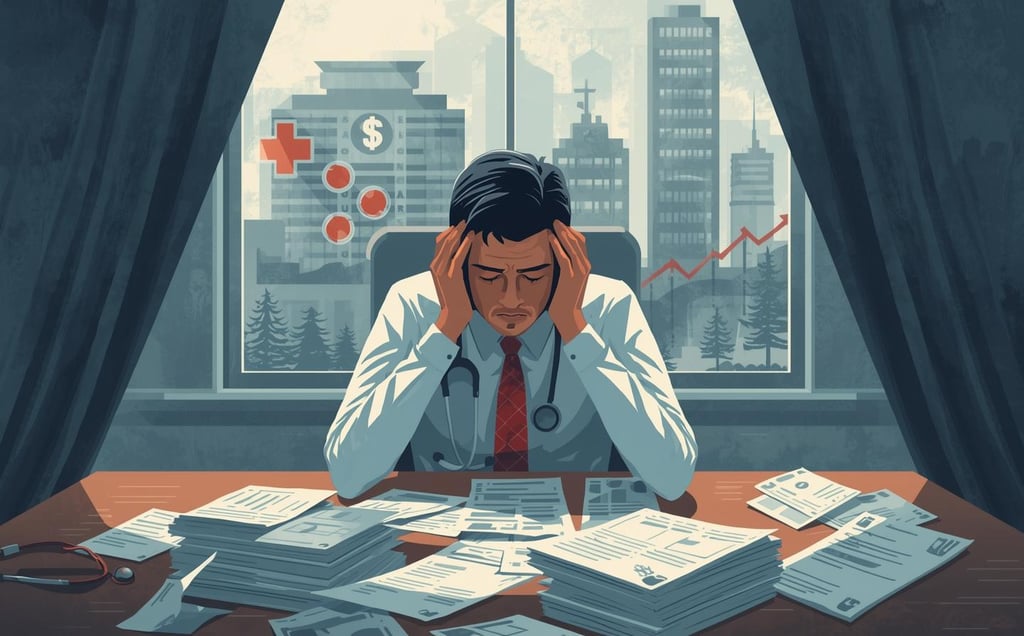
Big Business Healthcare: Proven Strategies to Fight Back
Discover how U.S. healthcare turned into big business. Learn 7 practical, evidence-based tips from experts to cut costs, avoid surprise bills, and demand real reform for better wellness.
Introduction
Ever gotten a hospital bill that feels like a bad joke? You're not alone. In the U.S., healthcare costs hit 18% of GDP—about $3 trillion yearly—yet outcomes lag behind other nations spending half as much.
Here's the thing: what started as a caring profession morphed into a profit machine. Hospitals act like corporations, pharma jacks up prices, and insurers play gatekeeper. This immersive guide breaks it down with real mechanisms and actionable steps.
We'll cover the shift to big business, key health impacts, how to implement smarter choices, overcome hurdles, bust myths, and wrap with takeaways. Research suggests these strategies can help you navigate—and push back—against the system. Individual needs vary. Consult a healthcare provider for personalized recommendations.
Actually, understanding this empowers you. If you're tired of paying more for less, let's dive in.
Core Concepts: Healthcare's Business Shift
Healthcare wasn't always big business. In the late 1800s, hospitals were often charitable, run by religious groups for community good. Doctors charged modest fees; insurance covered lost wages, not treatments.
Fast-forward to the 1920s: Blue Cross plans emerged as prepaid hospital stays, popularizing coverage. By the 1960s, Medicare exploded payments—jumping from $3 billion to $37 billion by 1983 under fee-for-service models.
Now, it's a $3 trillion industry. Hospitals consolidate into monopolies, hiking prices 20% post-merger in low-competition areas. Billing codes (CPT, ICD) let providers maximize charges; a hospital Tylenol costs $55 while retail is pennies.
Pharma exploits patents—reformulating old drugs for exclusivity, like raising HIV meds from $13 to $750 per pill. Nonprofits even "venture philanthropize," investing in drug firms for royalties, as with cystic fibrosis drugs netting billions.
Interestingly, terms shifted: patients became "consumers," illnesses "high-value disease states." This mindset prioritizes revenue over recovery.
Health Benefits of Reform: Realistic Gains
Pushing back yields tangible wellness wins. Transparent pricing and negotiation can slash personal costs 20-50%, freeing funds for preventive care like diet or exercise.
Biologically, less financial stress lowers cortisol, supporting immune function and mental health—research indicates chronic debt raises heart disease risk by 20%. Smarter choices mean avoiding overtreatment; U.S. testing inflation (MRI $3,500 vs. $160 abroad) often yields unnecessary radiation exposure.
Evidence shows empowered patients get better outcomes. Countries with price controls (Germany, Japan) spend less, cover more, and match U.S. life expectancy despite half the per-capita cost.
You'll likely sleep better knowing bills are fair. One patient negotiated a $44,000 "miscellaneous" surgery bill down dramatically by questioning codes.
Practical Strategies: Take Control Now
Ready to act? Start with these evidence-based steps for general adults.
Shop insurance wisely. Compare plans annually; pick high-deductible if healthy, focusing on networks. Use sites like Healthcare.gov for real costs.
Ask every price upfront. Before services, request cash rates—hospitals charge insured 3x more. "What's the total out-of-pocket?" works wonders.
Track all providers. Note everyone entering your room; billers lurk for "consults." Question extras like anesthesiologist "appearance fees."
Choose independent labs. Skip hospital tests (marked-up); use Quest or LabCorp for MRIs, bloodwork—savings up to 70%.
Negotiate bills aggressively. Dispute errors (common in 80% of claims); offer lump-sum cash discounts. "I owe $500, not $5,000" often lands midway.
Use generics and coupons. Apps like GoodRx cut drug costs 80%; avoid brand-name unless proven superior.
Opt for primary care first. Skip ER for non-emergencies; urgent cares cost 1/10th. Build a doctor relationship for coordinated, cheaper care.
These cut surprise bills, a top complaint. Track in a notebook—patients who do save thousands yearly.
Challenges and Solutions: Real-World Fixes
Rushing to implement? Common hurdles hit hard.
Busy schedules make shopping tough. Solution: Set calendar reminders for open enrollment; apps like Policygenius automate comparisons in 10 minutes.
Intimidation by "experts" stalls negotiation. Here's the thing: Billing reps expect pushback—practice phrases like, "This violates my insurance contract." Success rate? 70% reductions reported.
Out-of-network surprises blindside. Always verify: "Is everyone in-network?" Pre-certify elective procedures.
Debt piles up fast. If overwhelmed, contact nonprofits like Dollar For; they negotiate pro bono. Avoid payment plans—they accrue interest.
If rural with few options, telehealth expands choices cheaply. Research suggests these tweaks reclaim 30% of costs without skimping care.
Myths Busted: Clearing Confusion
Myth 1: More tests always mean better care. Actually, overtreating harms—unneeded MRIs expose radiation risks, inflate bills.
Myth 2: Insurance covers everything. Nope—deductibles, copays surprise; 43 million underinsured face ruin.
Myth 3: U.S. care is "best." Outcomes mediocre; Canada spends half, lives longer. Profit trumps prevention here.
Myth 4: Negotiation only for uninsured. Wrong—insured get "chargemaster" rates slashed routinely.
Myth 5: Pharma prices are global norm. No—U.S. pays 2-4x more due to no negotiations.
Busting these empowers realistic expectations.
FAQ: Your Top Questions Answered
Q: How did healthcare become so profit-driven?
A: Post-1960s insurance boom, fee-for-service rewarded volume over value. Hospitals hired execs; consolidation created monopolies hiking prices 20%.
Q: What's a chargemaster rate?
A: Inflated list prices hospitals start with—often 10x actual cost. Insurers negotiate down; uninsured pay full unless fighting back.
Q: Can I really negotiate medical bills?
A: Yes—call billing, cite errors, offer cash lump sums. Many reduce 50%; persistence pays.
Q: Why are drugs so expensive in the U.S.?
A: No price caps; patents extended via tricks. Same pill: $12 UK, $700+ here. Use GoodRx for 80% off.
Q: Is hospital consolidation good or bad?
A: Bad for wallets—mergers raise premiums, prices. Fewer choices mean less competition.
Q: How do I avoid surprise bills?
A: Verify network status pre-care; ask "all-in" costs. No ER? Use urgent care/telehealth.
Q: Are nonprofits corrupt too?
A: Some "venture philanthropy" profits from drugs they fund, like cystic fibrosis royalties worth billions.
Q: What's safest for emergencies?
A: ER if true crisis; otherwise, primary care. Pre-check insurance coverage.
Q: Will reforms fix this?
A: Political pushes like Medicare negotiation help, but personal vigilance key now.
Q: Any side effects to these strategies?
A: None major—may take time upfront. Rare denial risks; appeal with records.
Actionable Takeaways
You've got the blueprint. Start today: Review one bill, price-shop one service. Demand transparency—it's your right.
Push bigger: Contact reps for antitrust on conglomerates, drug price negotiations. Collective action works.
Stay well by prioritizing prevention over profit-chasing. Your health, your power.
If you want a clear, eye‑opening look at how U.S. healthcare became a profit machine—and practical tips to protect yourself—An American Sickness is a must‑read. Get it here: https://amzn.to/4qn3ZWI
Contact
Téléphone
healthyyyyplus@gmail.com
+33 612379219