Embrace natural wellness with HerbalVoice. Expert insights on herbal remedies, superfoods, and holistic health to help you boost immunity, find balance, and thrive. Your journey to vibrant, natural living starts here
Support Baby Gut Health from Pregnancy to Birth
Discover how pregnancy, birth, and early feeding influence your baby's gut health. Learn simple steps to support a strong microbiome from day one for optimal development.
1/26/20267 min temps de lecture
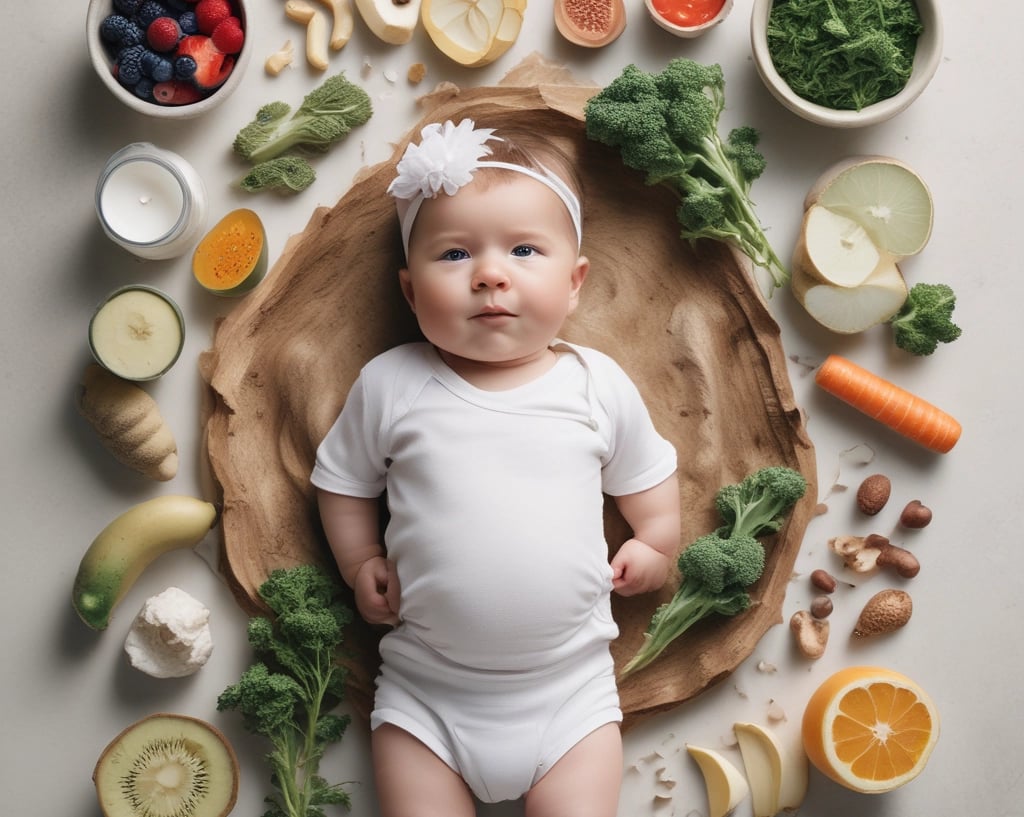
Pregnancy and Baby Gut Health: The First Microbiome Story
Discover how pregnancy, birth, and early feeding shape your baby’s gut health—and simple steps you can take to support a strong microbiome from day one.
Introduction
Your baby’s gut isn’t just about digestion—it’s the command center for immunity, metabolism, and even brain development. During pregnancy and the first years of life, that tiny microbiome is being “written,” almost like software, and what you do in this window can have effects that last for decades. Researchers now see the maternal gut, birth, breastfeeding, and early diet as a connected ecosystem that helps program your child’s health for life.pmc.ncbi.nlm.nih+2
The good news? You don’t need a perfect pregnancy or a rigid plan to make a real difference. Small, steady choices—what you eat, how you birth (when possible), how you feed, and how you use antibiotics—can all gently nudge your baby’s gut in a healthier direction. Think of it as laying down rich, fertile soil for all the good bacteria to thrive.
How Pregnancy Shapes Baby Gut Health
Your Microbiome During Pregnancy
During pregnancy, your own gut microbiome goes through a quiet transformation. Hormonal shifts, changes in diet, and weight gain all alter the community of microbes living in your intestines, and those microbes influence how you absorb nutrients, regulate inflammation, and support fetal growth. Studies show that an imbalanced maternal microbiome can be linked to complications such as poor fetal growth and possibly preterm birth, while a more balanced community supports healthier gestation.thelancet+1
One striking mouse study found that supplementing pregnant mothers with the beneficial bacterium Bifidobacterium breve improved placenta function, nutrient transport, and even fetal brain development. While that’s animal research, it highlights an important idea: supporting your gut health in pregnancy isn’t just about you—it may also support your baby’s brain, metabolism, and immune system before they’re even born.cam+1
Your Diet: Feeding Two Microbiomes
What you eat during pregnancy doesn’t just feed your body and your baby; it feeds your microbes too. Research shows that a diet higher in fiber, plant proteins, and omega‑3 fats during pregnancy can shape your gut microbiota in ways that are then reflected in your baby’s early microbiome and growth. In other words, those beans, lentils, veggies, whole grains, and healthy fats are helping train your baby’s future gut.[gutmicrobiotaforhealth]
One study concluded that maternal diet is one of the most efficient ways to influence a newborn’s gut microbiota, with fiber and plant foods particularly beneficial for fostering a diverse, resilient ecosystem of microbes. That doesn’t mean you can never have treats; it means that the overall pattern—more plants, fewer ultra‑processed foods—gives your child a microbial head start.[gutmicrobiotaforhealth]
Birth, Breastfeeding, and the First Colonizers
Mode of Delivery: Vaginal Birth vs C‑Section
The journey through the birth canal is more than symbolic—it’s often a baby’s first big bacterial “download.” Babies born vaginally are typically colonized early with microbes resembling their mother’s vaginal and gut flora, including beneficial Bacteroides and Bifidobacterium species. These early colonizers are thought to help train the newborn immune system and set up a healthier balance of gut bacteria.geiselmed.dartmouth+1
Cesarean birth, which is sometimes absolutely necessary and life‑saving, changes this pattern. Studies show that C‑section babies often have lower bacterial diversity initially and more hospital‑associated or skin microbes, and may have higher levels of organisms like Clostridium difficile in early life. These differences can persist for weeks or months, though they gradually narrow over time, especially with supportive feeding and environment.pmc.ncbi.nlm.nih+2
Importantly, this isn’t about guilt—many parents don’t get to choose their delivery mode. Understanding the difference simply helps you know where you might add extra support later, such as focusing on breastfeeding, skin‑to‑skin contact, and limiting unnecessary antibiotics.
Breast Milk: Nature’s Customized Probiotic
After birth, one of the most powerful shapers of baby gut health is how they’re fed. Breast milk isn’t just calories and fat; it contains live bacteria, prebiotic sugars, immune factors, and other bioactive molecules that help seed and feed the infant gut microbiome. Research shows that exclusively breastfed babies tend to have higher levels of Bifidobacterium and other beneficial species that support immune development and protect against infection and inflammation.pmc.ncbi.nlm.nih+3
A large metagenomic study found direct sharing of bacterial strains between breast milk and the infant gut, and noted that prolonged breastfeeding supports the persistence and expansion of bifidobacteria. Another study showed that continuous breastfeeding was associated with healthier patterns of microbial diversity and composition in infants, particularly when breastfeeding continued beyond the hospital period. That’s why even partial or short‑term breastfeeding can still offer important microbiome benefits.nature+1
Formula can absolutely support growth and is vital when breastfeeding isn’t possible, but formula‑fed infants often develop a different microbial profile, with higher species richness and more opportunistic bacteria like C. difficile. Some modern formulas now add prebiotics and probiotics to better mimic aspects of breast milk, and you can discuss these options with your pediatric provider.[pmc.ncbi.nlm.nih]
Early Life Events That Influence Baby Gut Health
Antibiotics, Environment, and Early Life Exposures
Antibiotics can be life‑saving, but they also temporarily disrupt the microbiome by killing off both harmful and beneficial bacteria. Studies in infants show that early antibiotic use can shift the gut community and may be associated with higher risks of allergies, obesity, or other immune‑related conditions later in life, though more research is still emerging. This doesn’t mean avoiding necessary treatment; it means using antibiotics thoughtfully and focusing on recovery afterward.nutricia+1
Other early influences include:
Home environment: Exposure to pets, siblings, and “normal dirt” may increase microbial diversity and train the immune system.[professionals.symprove]
Skin‑to‑skin contact: Close contact with caregivers helps share benign microbes and stabilize stress responses.[pmc.ncbi.nlm.nih]
Introduction of solids: The timing and type of first foods (e.g., vegetables, whole grains, allergen‑rich foods) further steer gut microbiome development.frontiersin+1
Together, these factors make up a sort of “microbial childhood,” in which your baby’s gut microbiome is learning what’s friend, what’s foe, and how strongly to react.
The Gut–Brain–Immune Connection
Why does all of this matter so much? Because early gut colonization is deeply tied to how the immune and nervous systems develop. Reviews of the prenatal and early‑life microbiome highlight that microbial colonization is critical for immune maturation, metabolic programming, and possibly future risks of autoimmune disease, allergy, and obesity.sciencedirect+2
Recent work also suggests that maternal and infant microbiota may influence brain development and cognitive outcomes through the gut–brain axis. In animals, altering the maternal microbiome with specific probiotics affected fetal brain metabolism and growth. Human studies are still evolving, but the general message is clear: nurturing gut health in pregnancy and infancy isn’t just about digestion—it may help shape your child’s resilience, mood, and learning for years to come.broadinstitute+2
Practical Tips for Supporting Pregnancy and Baby Gut Health
During Pregnancy: Supporting Your Own Microbiome
You don’t need a complicated regimen to nourish your microbiome during pregnancy. Helpful strategies, supported by current evidence, include:
Emphasize fiber‑rich plant foods: Vegetables, fruits, whole grains, legumes, nuts, and seeds support a more diverse, stable gut microbiota.nutricia+1
Include healthy fats: Omega‑3 sources (like low‑mercury fish, flax, or walnuts) are linked to better metabolic and inflammatory profiles in mothers and infants.[gutmicrobiotaforhealth]
Limit ultra‑processed foods and excess sugar: These can reduce microbial diversity and promote inflammatory species.professionals.symprove+1
Discuss probiotics with your clinician: Certain strains, such as Bifidobacterium, have shown promising effects on maternal and fetal outcomes in animal models, but supplementation should be individualised.cam+1
Staying active, managing stress, and getting enough sleep also indirectly support both your gut health and your baby’s environment.[thelancet]
After Birth: Building Baby’s Microbial Foundation
Once your baby arrives, think in terms of gentle, supportive habits rather than rigid rules:
Breastfeed if and as long as you can: Even partial breastfeeding supports beneficial bifidobacteria and shapes a healthier gut profile.pmc.ncbi.nlm.nih+2
If you had a C‑section: Don’t panic. Focus on breastfeeding, skin‑to‑skin contact, and avoiding unnecessary antibiotics to help close the gap in microbiome differences over time.geiselmed.dartmouth+1
Be mindful with antibiotics: When they’re needed for you or your baby, use them, but also talk with your provider about recovery strategies (e.g., feeding patterns, possibly probiotics).nutricia+1
Introduce solids thoughtfully: Start with nutrient‑dense, minimally processed foods and continue breastfeeding alongside, which can modulate how the microbiome responds to new foods.[frontiersin]
Above all, aim for consistency and kindness with yourself—there’s no such thing as a perfect microbiome plan, only better‑supported patterns.
FAQ
Q: Can my baby’s gut start developing before birth?
A: Current evidence suggests that early microbial influences may begin in utero, with the maternal gut and other microbiota affecting fetal development, though significant colonization happens after birth.pmc.ncbi.nlm.nih+1
Q: If I need a C‑section, is my baby’s gut health ruined?
A: Not at all. C‑section changes early colonization patterns, but breastfeeding, skin‑to‑skin contact, and time help support a healthy microbiome, and many C‑section babies grow up perfectly healthy.geiselmed.dartmouth+1
Q: Is breastfeeding really that important for gut health?
A: Breast milk provides beneficial bacteria, prebiotics, and immune factors that strongly shape infant gut microbiota, especially boosting Bifidobacterium and related protective species.nature+2
Q: Should I take probiotics during pregnancy?
A: Some research points to benefits of specific strains, but responses can vary. It’s best to discuss probiotic use with your healthcare provider, especially if you have medical conditions.sciencedirect+1
Q: What’s the single best thing I can do for my baby’s gut?
A: There’s no single magic step, but a combination of a plant‑rich diet during pregnancy, thoughtful antibiotic use, breastfeeding when possible, and a calm, low‑stress environment offers powerful support.pmc.ncbi.nlm.nih+3
Conclusion
Pregnancy and baby gut health are deeply intertwined, forming a quiet partnership that shapes your child’s immunity, metabolism, and even brain development long before they blow out their first birthday candle. By supporting your own microbiome with a balanced, plant‑forward diet, understanding how birth and feeding choices influence those first colonizing microbes, and approaching antibiotics and early life exposures with care, you lay a strong foundation for lifelong health. And the beauty of it all? You don’t need perfection—just steady, loving steps that help the right bacteria call your baby’s gut home.broadinstitute+5
Contact
Téléphone
healthyyyyplus@gmail.com
+33 612379219