Embrace natural wellness with HerbalVoice. Expert insights on herbal remedies, superfoods, and holistic health to help you boost immunity, find balance, and thrive. Your journey to vibrant, natural living starts here
Self-Healing with Chinese Medicine: A Practical Home Guide to Treating Everyday Ailments
Learn how Self-Healing with Chinese Medicine uses yin–yang balance, acupressure, Gua sha, and food therapy to help you manage common ailments at home.
12/21/20254 min temps de lecture
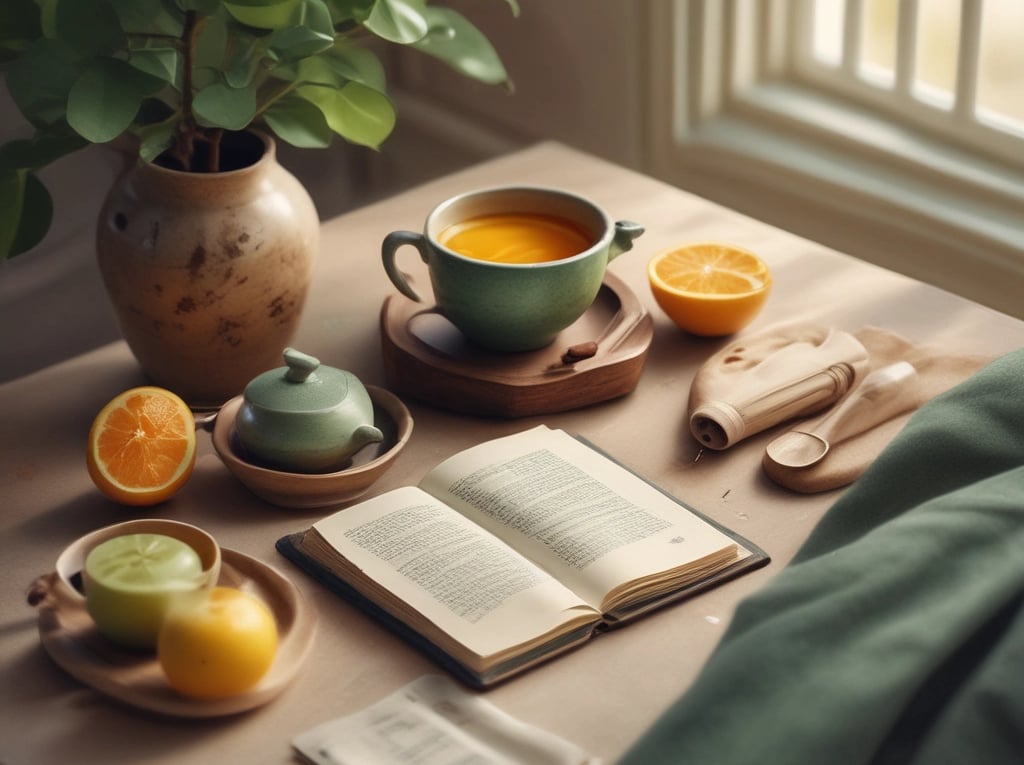
Self-Healing with Chinese Medicine: A Home Guide to Treating Common Ailments is a practical handbook that shows how to apply the core ideas of traditional Chinese medicine (TCM) to everyday self‑care at home.
Written by licensed acupuncturist Clive Witham, it explains why illness develops in TCM terms—yin and yang, flow and blockage, dampness and dryness—and then walks you through hands‑on methods like acupressure, Gua sha, food therapy, and gentle exercise to restore balance.
Introduction
In TCM, the human body is seen as part of nature, constantly adapting to internal and external changes. When that adaptation falters, symptoms arise—not as random events, but as signs of disrupted flow or imbalance.
Self-Healing with Chinese Medicine translates this ecological view into clear, step‑by‑step advice so readers can understand what their symptoms are “saying” and respond with simple, structured self‑treatments at home.
What this book offers
The book covers how and why illness develops from a TCM perspective, then shifts quickly into practical tools for common problems such as colds, high blood pressure, backache, nausea, menstrual pain, and mild depression or low mood.
Each condition chapter outlines the main TCM patterns involved (for example, stagnation, dampness, or yin–yang imbalance), the symptoms to look for, and which self‑care methods—acupressure points, scraping paths for Gua sha, food choices, and lifestyle tweaks—are likely to help.
Rather than focusing on rare formulas or complex clinic‑only techniques, the author prioritises accessible methods that can be done safely in a living room or bedroom with minimal equipment: a Gua sha tool, a spoon, your hands, and a few common foods.
Key concepts: balance, flow, dampness, and blockage
Witham spends time on the foundational language of TCM so readers can make sense of their own patterns.
Yin and yang: These complementary forces describe rest and activity, cooling and warming, structure and function; illness often reflects one dominating the other.
Flow versus blockage: Qi (vital energy), blood, and body fluids should move like rivers; when they stagnate, pain, swelling, or emotional stuckness appear.
Dampness and dryness: When fluids accumulate in the wrong places or evaporate too much, people may feel heavy, foggy, puffy, parched, or brittle; many modern lifestyle issues—poor sleep, processed diets, chronic sitting—feed these patterns.
By learning to see symptoms through this lens, readers can choose the right combination of warming or cooling foods, draining or moistening techniques, and circulation‑boosting methods like Gua sha or movement.
Self-care techniques you’ll learn
The strength of Self-Healing with Chinese Medicine lies in its illustrated, highly concrete how‑tos.
Acupressure: The book maps out specific points you can press or massage to ease headaches, digestive issues, menstrual discomfort, and stress, with diagrams and pressure guidelines.
Gua sha: Clear drawings show how to safely scrape along muscles and meridians to move stagnant Qi and blood, improve microcirculation, and relieve tension or early cold symptoms.
Food therapy: Readers learn how to match food choices to their current pattern—adding warming, drying foods for dampness, or moistening, cooling options for dryness and heat—using pantry staples rather than exotic ingredients.
Lifestyle and gentle exercise: The author suggests simple movements, breathing practices, and daily‑rhythm tweaks to support the body’s natural repair cycles and keep Qi flowing.
The focus is on empowering people to be active partners in their own recovery, without pretending that self‑care replaces professional acupuncture or medical diagnosis when serious conditions are present.
When to use this book—and when not to
This guide shines for chronic niggles and common ailments: the lingering neck stiffness, cyclical period pain, “stuck” digestion, weather‑related headaches, or low‑energy phases many people live with for years.
It repeatedly reminds readers to seek urgent conventional care for red‑flag symptoms such as crushing chest pain, sudden weakness, high uncontrolled fever, or rapidly worsening pain, and to coordinate herbal or manual treatments with their primary clinicians, especially when pregnant or on regular medication.
Used thoughtfully, the book encourages a both‑and approach: combine the pattern‑based insights of Chinese medicine with modern diagnostics and emergency care, using home techniques to support recovery and long‑term resilience.
FAQs
1. Is this book suitable for complete beginners to Chinese medicine?
Yes. The author explains yin–yang, meridians, dampness, and other concepts in everyday language and uses many diagrams, so no prior TCM background is required.
2. What kinds of ailments does it cover?
It focuses on common issues such as colds, digestive upset, back and neck pain, headaches, menstrual problems, mild mood changes, and everyday fatigue—not severe or emergency conditions.
3. Do I need special tools to use the techniques?
Most treatments use hands, a simple massage tool, or a smooth Gua sha scraper; the book also suggests household substitutions, making it easy to start without a big investment.
4. Is Gua sha safe to do at home?
When done gently and on appropriate areas, Gua sha is generally safe, but it can leave temporary marks; people with bleeding disorders, very fragile skin, or on blood thinners should seek professional guidance first.
5. How does this differ from Western self‑help books on pain or digestion?
Instead of targeting single symptoms, it looks for underlying patterns in the whole system; the same technique might help multiple complaints if they share a common imbalance like stagnation or dampness.
6. Are the methods evidence‑based?
Many techniques, such as acupressure and Gua sha, have growing modern research on circulation, pain relief, and autonomic effects, but evidence quality varies and TCM still relies heavily on long clinical tradition.
7. Can I use the food advice alongside a Western nutrition plan?
Yes. The framework adds a TCM layer (warming, cooling, damp‑producing, etc.) on top of general nutrition, helping you fine‑tune choices within an otherwise balanced diet.
8. Will this book teach me to diagnose others?
It is aimed at self‑care and basic pattern awareness, not replacing professional TCM diagnosis or training; using it to treat other people should still be done cautiously and, ideally, under supervision.
Conclusion
Self-Healing with Chinese Medicine offers a grounded, accessible doorway into using TCM principles for daily self‑care, blending ancient concepts like yin–yang balance and dampness with modern, step‑by‑step illustrations for acupressure, Gua sha, food therapy, and lifestyle shifts.
For people who want to participate actively in their own healing—while still respecting the role of conventional medicine—it’s a practical way to understand what your body is trying to tell you and how small, consistent changes can restore flow, balance, and resilience from the inside out.
Contact
Téléphone
healthyyyyplus@gmail.com
+33 612379219