Embrace natural wellness with HerbalVoice. Expert insights on herbal remedies, superfoods, and holistic health to help you boost immunity, find balance, and thrive. Your journey to vibrant, natural living starts here
Rewire Your Anxious Brain: Neuroscience‑Based Strategies to Calm Fear, Panic, and Worry
Discover how Rewire Your Anxious Brain uses amygdala‑ and cortex‑based neuroscience to help you reduce anxiety, panic, and worry with practical daily tools.
12/21/20254 min temps de lecture
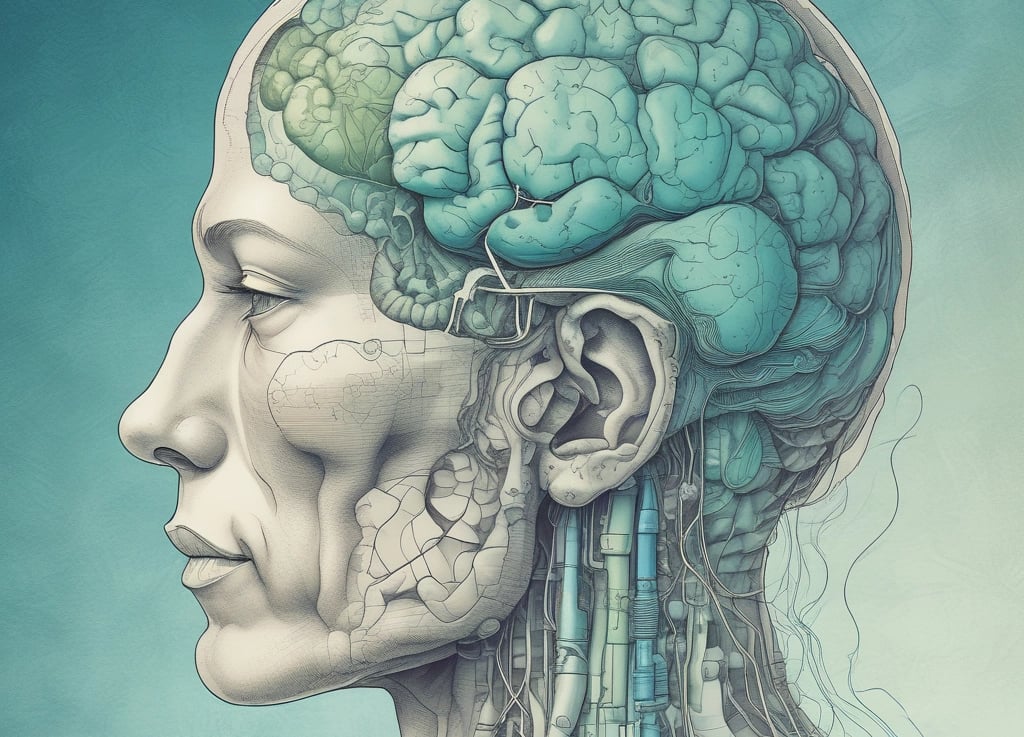
Wire Your Anxious Brain: Using Neuroscience to Calm Fear, Panic, and Worry
Introduction
How your anxious brain actually works
Rewiring the amygdala pathway (fast fear)
Rewiring the cortex pathway (thinking anxiety)
Putting it together in daily life
FAQs
Conclusion
Introduction
Anxiety can feel mysterious and overwhelming—one minute you seem fine, the next your heart is pounding and your thoughts are racing. Rewire Your Anxious Brain, 2nd Edition, by psychologist Catherine Pittman and author Elizabeth Karle, turns that confusion into clarity by explaining exactly what is happening inside your brain when fear, panic, and worry hit.
Grounded in up‑to‑date neuroscience, the book shows how two key systems—the amygdala (your fast, emotional alarm) and the cortex (your slower, thinking mind)—create different kinds of anxiety, and how you can deliberately “rewire” both using targeted, evidence‑based strategies.
👉
How your anxious brain actually works
Pittman and Karle describe anxiety as running through two intertwined “highways” in the brain: the amygdala pathway and the cortex pathway.
The amygdala is a deep, almond‑shaped structure that reacts in milliseconds to potential threats, triggering fight‑flight‑freeze responses—racing heart, tight chest, sweaty palms—often before you consciously know what you’re afraid of.
The cortex, especially the prefrontal cortex, is the thinking layer that imagines worst‑case scenarios, ruminates, and keeps asking “what if?”, sometimes turning small triggers into long spirals of worry.
In real life, these systems constantly talk to each other: a flash of amygdala fear can trigger a storm of worried thoughts, and endless worrying in the cortex can keep the amygdala on high alert.
Rewiring the amygdala pathway (fast fear)
Amygdala‑driven anxiety feels sudden, body‑first, and often “irrational”—think panic attacks, phobias, or intense startle reactions.
The book emphasises bottom‑up tools that send new safety messages directly to this alarm system:
Exposure and new learning: Gradually facing feared situations long enough for anxiety to rise and fall teaches the amygdala that the context is actually safe, weakening old fear associations over time.
Body‑based calming: Slow breathing, progressive muscle relaxation, and grounding exercises reduce the physical intensity of the threat response and help the amygdala “stand down.”
Reframing sensations: Labelling symptoms as signs of an activated alarm system (“this is my amygdala firing, not a heart attack”) reduces secondary fear about the sensations themselves.
Because the amygdala learns from repeated experience rather than logic, small, consistent exposures and calm reactions are what gradually rewire this pathway.
Rewiring the cortex pathway (thinking anxiety)
Cortex‑based anxiety shows up as mental noise: over‑analysing conversations, catastrophising about the future, or replaying past mistakes.
Here, top‑down strategies are more effective:
Cognitive restructuring: The book walks you through identifying distorted thoughts (“I’ll definitely fail”), testing them against evidence, and building more balanced alternatives that reduce the cortex’s tendency to over‑predict danger.
Attention training: Intentionally shifting focus—through mindfulness, values‑based action, or engaging tasks—weakens the habit of giving constant airtime to worry stories.
Goal‑focused self‑assessments: New tools in the 2nd edition help you map patterns (triggers, thoughts, behaviours) and set specific practice goals, turning vague anxiety into concrete, trackable change steps.
Over time, these practices strengthen prefrontal circuits that regulate emotion, improving top‑down control over the amygdala and making it easier to choose your responses instead of reacting on autopilot.
Putting it together in daily life
Rewire Your Anxious Brain stresses that real progress comes from matching the tool to the pathway that’s active in the moment.
Helpful questions include:
“Did my body react first and my thoughts came later?” → Focus on amygdala tools like exposure and body calming.
“Did I think myself into this anxiety with ‘what if?’ loops?” → Lean on cortex tools like thought‑challenging, problem‑solving, and attention shifting.
The authors encourage regular, bite‑sized practice rather than waiting for a crisis: a few minutes daily of breathing, graded exposure, or cognitive work gradually lays down new neural pathways—thanks to neuroplasticity—that make calmer responses more automatic.
FAQs
1. Is this book a substitute for therapy or medication?
No. It’s an evidence‑based self‑help guide that can complement professional treatment, but people with severe, disabling, or trauma‑related anxiety should work closely with a qualified clinician.
2. How long does it take to “rewire” an anxious brain?
Neuroplastic changes start as you practise new responses, but meaningful shifts usually take weeks to months of consistent work; the book is designed as an ongoing workbook, not a quick fix.
3. Does the book cover different anxiety disorders?
Yes. It applies the amygdala‑versus‑cortex framework to panic, generalized anxiety, social anxiety, specific fears, and health anxiety, with tailored examples and exercises.
4. Is the neuroscience too technical for non‑experts?
The authors use plain language, analogies, and diagrams so that readers without a science background can still grasp how brain circuits drive their symptoms.
5. Can understanding the brain really reduce anxiety?
Research suggests that simply naming which system is active and why can lower distress and increase a sense of control, making it easier to stick with exposure, cognitive, and mindfulness practices.
6. Is this approach compatible with CBT or mindfulness‑based therapies?
Very much so; the techniques overlap heavily with CBT and mindfulness, but the book frames them through the lens of brain circuits, which can make the rationale clearer and more motivating.
7. Does the second edition add anything major?
It integrates over a decade of new findings on amygdala–prefrontal circuitry, adds goal‑oriented self‑assessments, and refines strategies to match current clinical best practice.
8. Who is this book best suited for?
Adults and older teens who like understanding the “why” behind their anxiety and are willing to practise structured exercises; it can also be a helpful resource for therapists and coaches.
Conclusion
Rewire Your Anxious Brain offers a practical, hopeful roadmap for anyone who wants to understand—not just endure—their anxiety. By showing how the amygdala and cortex create different flavours of fear, and by giving you concrete tools to retrain both systems, it turns abstract neuroscience into day‑to‑day skills you can actually use.
Used alongside professional guidance when needed, the exercises in this book can help you gradually transform panic, worry, and dread into confidence that your brain is changeable—and that you can teach it new, calmer ways to respond
Contact
Téléphone
healthyyyyplus@gmail.com
+33 612379219