Embrace natural wellness with HerbalVoice. Expert insights on herbal remedies, superfoods, and holistic health to help you boost immunity, find balance, and thrive. Your journey to vibrant, natural living starts here
Mindfulness Meditation: Slow Time & Reduce Anxiety
Feeling like weekends blur into months? Discover how mindfulness meditation can help you slow down time, reduce anxiety, and truly enjoy the present moment with effective mindfulness techniques.
1/27/20267 min temps de lecture
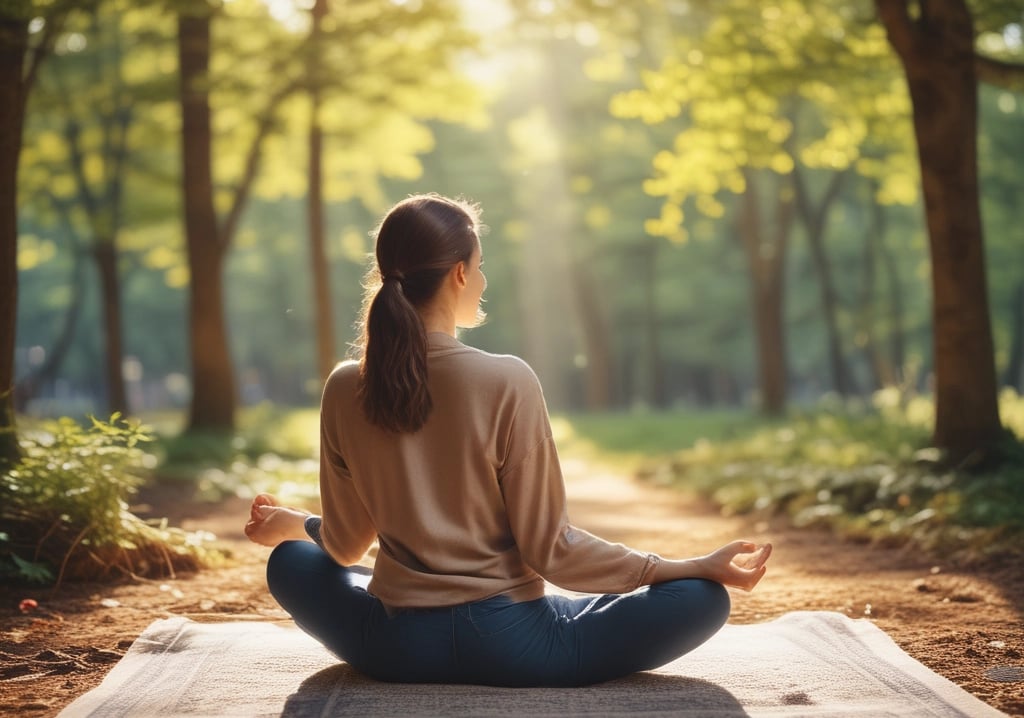
Why Mindfulness Is Your Secret Weapon for Slowing Down Time (and Life)
Feeling like weekends blur into months? Discover how mindfulness meditation can slow time, reduce anxiety, and help you actually enjoy the present moment.
Introduction
Ever catch yourself in bed, exhausted but wide awake, with thoughts ping-ponging around your skull like they're training for the Olympics? You're not alone. Between work drama, mounting bills, family worries, and the never-ending mental checklist (did I schedule the dog's vaccination?), our brains have become relentless chatterboxes. Meanwhile, the days zip past in a blur — Monday becomes Friday, spring melts into autumn, and suddenly you're wondering where the year went.
Here's the thing: you can actually slow this down. Not with a time machine or magic spell, but with a practice so simple it sounds almost too good to be true. It's called mindfulness, and it's basically the antidote to our chaotic, overstimulated modern lives. Complementary therapist Georgia Coleridge has been helping people discover these techniques, showing how simple practices can transform our relationship with time and stress.
What Makes Mindfulness Different From Other Stress Solutions
The Ancient Practice That Got a Modern Makeover
Buddhist monks developed mindfulness techniques thousands of years ago, but don't worry — you won't need to shave your head or retreat to a mountaintop. Modern mindfulness strips away the religious elements and delivers something more practical: brain training for the rest of us.
Think of it this way. Your mind is like a browser with 47 tabs open, each one playing a different song. Mindfulness teaches you how to close those tabs one by one until you can actually hear yourself think. And unlike popping a pill or scheduling weekly therapy sessions, mindfulness comes with zero side effects, costs absolutely nothing, and works anywhere — even while you're stuck in traffic or washing dishes.
Why Everyone From Google to Your GP Is Jumping on Board
The science backing mindfulness isn't fluffy wishful thinking. Clinical studies have demonstrated real, measurable benefits: reduced anxiety and chronic pain, stronger immune systems, lower blood pressure, better sleep, sharper memory, improved physical stamina, and even healthier relationships. That's an impressive résumé for something that only requires a couple of minutes daily.
Companies like Apple and Google didn't introduce mindfulness workshops because they're feeling generous. They did it because calmer, more focused employees are more productive employees. Meanwhile, schools are weaving it into health education curriculums, and NHS doctors increasingly prescribe mindfulness courses instead of antidepressants. When both Silicon Valley executives and British physicians agree on something, it's worth paying attention.
How to Actually Practice Mindfulness (Without Feeling Silly)
Your First Two-Minute Meditation
Ready to dip your toe in? Start ridiculously simple. Find a comfortable chair with good back support, or lie flat on your bed. Now focus entirely on the tip of your nose. Notice the subtle sensation as air flows in and out of your nostrils with each breath.
That's it. Seriously.
Of course, within seconds, your brain will get bored and wander off to wonder whether you replied to that email or what you should make for dinner Thursday. This is completely normal — unless you're secretly a Zen master, your mind will behave like an excited puppy chasing squirrels.
Here's where most people quit, thinking they've failed. But actually, catching yourself mind-wandering is progress. It means you're developing awareness, which is the whole point. When you notice you've drifted, gently guide your attention back to your breathing. No judgment, no frustration — just redirect and continue.
The Secret Nobody Tells Beginners
You might need to redirect your attention a dozen times in two minutes. That doesn't mean you're terrible at meditation. Learning mindfulness is like learning to ride a bicycle — there will be wobbles, frustrations, and moments when you're convinced you'll never get it. But stick with those daily two-minute sessions, and eventually something magical happens: you'll suddenly realize you've stayed focused for the entire period.
That's when the real reward kicks in. Those few minutes of genuine meditative state will leave you feeling calm and centered for hours afterward. It's like giving your brain a spa treatment.
Sneaking Mindfulness Into Your Everyday Routine
Beyond Formal Meditation
Mindfulness isn't confined to quiet sitting sessions. At its core, it's simply about being fully present in whatever you're doing right now, instead of mentally time-traveling to future worries or past regrets.
Most of us spend our days half-present, physically here but mentally elsewhere. We miss enormous chunks of our actual lives because we're too busy fretting about tomorrow or replaying yesterday's awkward conversation. Mindfulness pulls you back to now.
Quick Mindfulness Hacks That Actually Work
When you're walking, narrow your focus to how your feet contact the ground. Feel the weight shift, the texture of the surface beneath your shoes, the rhythm of your steps. This transforms a mundane commute into something surprisingly grounding.
Feeling overwhelmed at work? Step away from your desk for three minutes to wash your hands. Really wash them. Notice the tap's sound, the soap's scent, how the water temperature feels against your skin. This simple act rinses away mental clutter more effectively than scrolling social media.
At home, resurrect old-fashioned physical tasks like kneading bread dough or polishing silver. These activities naturally encourage focus and presence. Your grandmother knew something we've forgotten: repetitive, hands-on work soothes the soul.
Using Mindfulness as Your Anxiety Off-Switch
The Cloud-Watching Technique
When worries pop up uninvited (and they will), try this perspective shift. Instead of getting swept up in anxious thoughts, observe them like clouds drifting across the sky. You're the watcher, separate from the weather.
Rather than thinking, "I'm so stressed, I can't handle this," step back and think, "Interesting. Feelings of stress are moving through my body right now." It sounds weird at first, but this detached observation strips anxiety of much of its power.
This isn't wishful thinking dressed up as advice. Writer Lesley Garner used exactly this technique to stay sane when massive cracks appeared in her walls, her insurance refused to pay, and she feared losing her home while raising young children alone. She survived those grim years partly because she learned to observe her terror without letting it consume her.
The Bedtime Body Scan That Actually Works
If racing thoughts keep you awake, try this: focus on one body part at a time, starting with your feet. Spend two slow breaths consciously relaxing your toes, then your heels, then your ankles. Work gradually upward through your entire body.
When you reach the top of your head, start over at your toes. Chances are you'll be asleep before completing your third circuit. This works because it's nearly impossible to simultaneously catalog body sensations and worry about tomorrow's presentation.
Getting More Joy From Life's Small Moments
The Instagram Experiment
One woman started photographing flowers and trees for Instagram last spring. Suddenly she noticed blossom everywhere — cherry, apple, magnolia, wisteria — beauty she'd somehow missed for years despite walking the same routes daily.
The camera didn't create the beauty. It just gave her a reason to pay attention. That's mindfulness in action: training yourself to actually see what's already there.
Eating, But Make It Mindful
Try eating something as slowly as humanly possible, savoring every bite. Notice textures, temperatures, how flavors evolve as you chew. You'll discover two things: food tastes better when you actually taste it, and you naturally eat less because your brain has time to register fullness before you've cleared your plate.
The Gift of Really Listening
We've all zoned out mid-conversation, suddenly realizing someone's been talking while our mental train derailed three stations ago. Instead, practice giving your complete attention to whoever's speaking. No planning your response, no mental to-do list updates — just listen.
Being truly heard is powerful. People notice when you're genuinely present with them, and they'll appreciate it more than you might expect. It strengthens relationships in ways advice and solutions never could.
FAQ
Q: How long before I see results from mindfulness practice?
A: Some people notice feeling calmer after their first few sessions, but building the skill takes consistent practice. Stick with daily two-minute meditations for at least two weeks before judging whether it's working. Like any new skill, the benefits compound over time.
Q: What if my mind keeps wandering no matter what I do?
A: That's completely normal and not a sign of failure. The wandering mind is exactly what you're training. Each time you notice you've drifted and redirect your attention, you're doing it right. Those redirections are mental reps that strengthen your focus muscle.
Q: Do I need special equipment or apps to practice mindfulness?
A: Absolutely not. The basic practice requires nothing but you and your breath. That said, apps like Headspace and Buddhify offer helpful guided meditations if you prefer structure. Books like The Power of Now by Eckhart Tolle or Mindfulness by Mark Williams and Danny Penman (which includes a free meditation CD) provide excellent deeper dives.
Q: Can mindfulness really help with serious anxiety or depression?
A: Clinical studies show mindfulness can significantly help manage anxiety and depression, which is why NHS doctors increasingly prescribe mindfulness courses. However, it's not a replacement for professional treatment when you need it. Think of mindfulness as a powerful tool in your mental health toolkit, not a cure-all.
Q: What's the best time of day to practice?
A: Whenever you'll actually do it. Some people prefer morning meditation to set the tone for their day. Others use it as an evening wind-down. The important thing is consistency, not timing. Even two minutes while your coffee brews counts.
Conclusion
Time doesn't have to slip through your fingers like sand. When weekends blur into months and months melt into seasons, it's usually because we're not actually present for any of it. Our bodies show up, but our minds are elsewhere — worrying about next week, replaying last month, everywhere except right here, right now.
Mindfulness offers something deceptively simple: the ability to actually inhabit your life instead of sleepwalking through it. Two minutes of daily practice. Noticing your breath, your footsteps, the water running over your hands. Observing anxious thoughts without letting them hijack your brain. Really tasting your food, really hearing your loved ones.
The beauty is everywhere. The present moment is always here, patiently waiting. The trick is learning to show up for it.
For more about Georgia Coleridge and her complementary therapy work, visit georgiacoleridgehealing.com
Contact
Téléphone
healthyyyyplus@gmail.com
+33 612379219