Embrace natural wellness with HerbalVoice. Expert insights on herbal remedies, superfoods, and holistic health to help you boost immunity, find balance, and thrive. Your journey to vibrant, natural living starts here
Intermittent Energy Restriction: Rewire Brain-Gut Axis for Fast Weight Loss
Discover how intermittent energy restriction (IER) transforms your brain-gut connection, slashing 7.6kg in 62 days. Boost microbiome, curb cravings—unlock sustainable obesity relief today!
12/22/20254 min temps de lecture

Introduction
What is Intermittent Energy Restriction?
The Groundbreaking Study on IER
Brain Changes During IER
Gut Microbiome Shifts Explained
The Brain-Gut-Microbiome Axis
Practical Tips for Trying IER
Common Myths and Challenges
FAQ
Conclusion
Introduction
Fasting-style diets like intermittent energy restriction (IER) are gaining traction for their potential to not just cut calories but reshape how your brain and gut talk to each other. Recent research shows this approach triggers synced changes in brain activity and gut bacteria, helping folks with obesity drop serious weight—around 7.6 kg in just 62 days—while dialing down hunger signals. Geez, if you're tired of yo-yo dieting, this brain-gut connection might be the game-changer you've been waiting for, though results vary by individual.
What is Intermittent Energy Restriction?
Intermittent energy restriction (IER) cycles between normal eating days and low-calorie days, kinda like giving your body scheduled breaks from feasting. Unlike straight-up fasting, IER focuses on controlled calorie dips—say, 500-600 calories on restriction days for women and men respectively—while keeping meals balanced with carbs, protein, and fats. It's sorta flexible too: one study split it into high-controlled phases with provided meals and lower-controlled ones where participants followed guidelines at home.
This method stands out because it mimics fasting benefits without total food deprivation, making it more doable for busy adults. Studies suggest it tackles obesity-related issues like high blood pressure and wonky cholesterol alongside weight loss.
The Groundbreaking Study on IER
In a 2023 study from Chinese researchers, 25 obese adults (BMI 28-45) followed a 62-day IER protocol and shed an average 7.6 kg—that's 7.8% of body weight—plus inches off their waists and better blood markers. They tracked folks through three phases: baseline normal eating, a strict 32-day restriction ramping down to 1/4 energy needs on alternate days, and a 30-day milder version.
fMRI scans and stool samples revealed dynamic shifts, not just static ones, proving IER doesn't just trim fat—it rewires your inner workings over time. Wow, participants saw drops in body fat, glucose, and liver enzymes too, hinting at broader health wins.
Brain Changes During IER
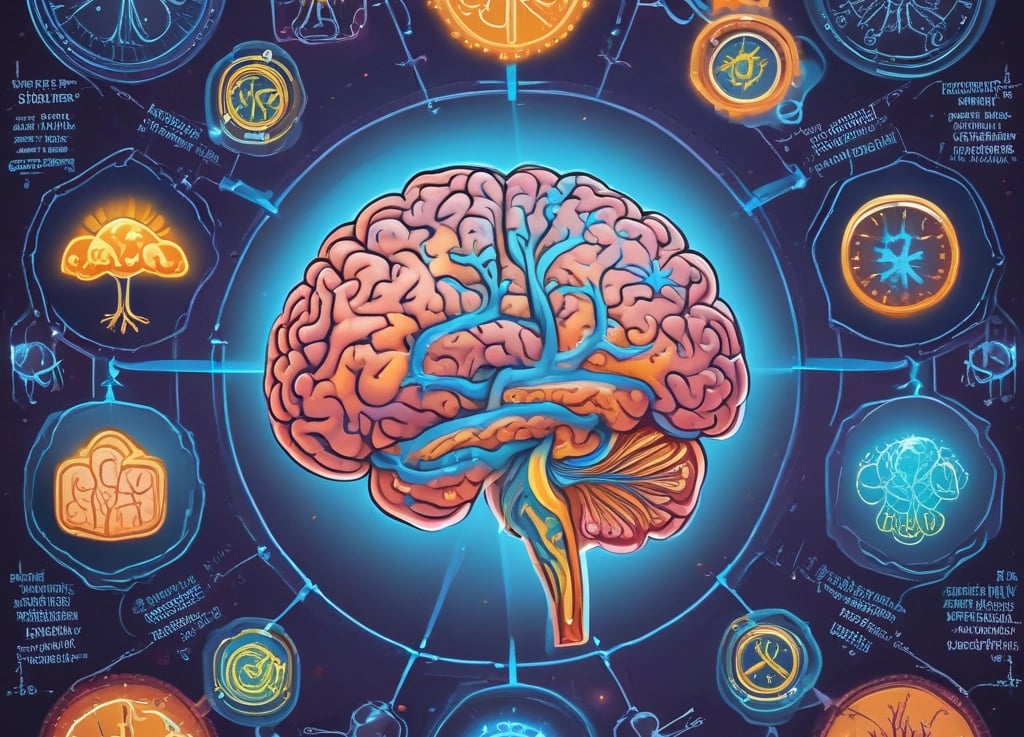
IER dialed down activity in key brain spots tied to appetite, addiction, and self-control, like the inferior frontal orbital gyrus (IFO), putamen, anterior cingulate cortex (ACC), and dorsolateral prefrontal cortex (DLPFC). Early on, the left IFO—your "willpower HQ" for resisting tasty cues—quieted first, helping curb impulse eats.
By study's end, emotion and learning areas like the putamen chilled out, while cognitive control zones (ACC, DLPFC) followed suit, making it easier to stick to healthy habits. These shifts happened dynamically: sensory drive first, then emotion, finally control—suggesting your brain adapts in stages to support lasting change.
Gut Microbiome Shifts Explained
Your gut bugs flipped during IER: pathogenic E. coli plummeted steadily, while helpful ones like Faecalibacterium prausnitzii, Parabacteroides distasonis, and Bacteroides uniformis surged early, peaking mid-study before easing back. Coprococcus comes and Eubacterium hallii also popped up, linked to better mood and butyrate production for gut health.
Diversity spiked during strict phases, showing your microbiome loves the calorie rhythm. These bacteria crank out neurotransmitters that chat with your brain via nerves and blood, influencing everything from cravings to energy use.
The Brain-Gut-Microbiome Axis
This study's star? The two-way street where gut microbes signal the brain (and vice versa) via the vagus nerve, short-chain fatty acids, and blood-borne molecules. For instance, lower E. coli tied to calmer left IFO activity at baseline, while P. distasonis boosted spots for attention and inhibition.
Changes synced over time—fewer bad bugs meant less brain hype around food cues, creating a feedback loop for easier weight control. It's not fully clear if gut leads brain or flipside, but this axis seems key for why IER sticks better than steady dieting.
Practical Tips for Trying IER
Start slow: track your baseline calories for a few days, then alternate 2/3 or full intake days with 500-600 calorie ones using balanced meals—think veggies, lean protein, whole grains. Apps like MyFitnessPal can help log without obsessing.
Pair it with walks or yoga to amp brain benefits, and sip herbal tea on low days to fend off hanger. Always chat with a doc first, especially if you've got conditions like diabetes—personal tweaks make it sustainable. Aim for 55% carbs, 15% protein, 30% fat to keep energy steady.
Common Myths and Challenges
Myth: IER is just starvation—nah, it's strategic, preserving muscle better than constant cuts. Another: It wrecks metabolism—short-term dips actually rev it via hormetic stress, though long-term needs monitoring.
Challenges? Hunger peaks early, so stock broths and fiber-rich foods; social eats can derail, so plan around them. Women might need gentler cycles due to hormones—totally normal to adjust. Stick it out past week one for the brain-gut groove to kick in.
FAQ
What exactly does IER involve day-to-day?
IER alternates low-calorie days (500-600 kcal, balanced macros) with normal eating, often in cycles like 4 stages of progressive restriction.
How much weight can I realistically lose on IER?
Study folks dropped 7.6 kg in 62 days, but expect 5-10% body weight over months—varies by starting point and adherence.
Does IER change my brain permanently?
Changes were dynamic and tied to the diet; they may fade without maintenance, but could build willpower pathways with consistency.
Are certain gut bacteria boosted by IER?
Yes, probiotics like F. prausnitzii and P. distasonis rise, while E. coli falls—supporting anti-inflammatory effects.
Is IER safe for beginners with obesity?
Generally yes under guidance, improving blood pressure and lipids, but consult a pro to avoid nutrient gaps or issues.
How does the gut talk to the brain in IER?
Microbes produce neurotransmitters and SCFAs that travel via vagus nerve or blood, tweaking appetite regions like the IFO.
Can IER help maintain weight long-term?
Possibly, via sustained brain-gut shifts, but pairing with habits like exercise boosts success rates.
What if I have diabetes—can I try IER?
It lowered glucose in the study, but monitor closely and get medical okay to dodge lows.
Do I need fMRI to benefit from IER?
Nope—the brain perks happen naturally; scans just prove the mechanism.
How soon do gut changes start on IER?
Within weeks—probiotics peak mid-strict phase, diversity rises fast.
Conclusion
Intermittent energy restriction flips the script on weight loss by syncing brain quiet-downs in hunger zones with gut microbiome upgrades, creating a powerhouse axis for shedding pounds sustainably. Key takeaways: expect 5-8% loss short-term, nurture good bugs with fiber, and watch self-control strengthen over phases. Dip your toe in with doc-approved small changes today—you might just rewire your way to a lighter, sharper you
Contact
Téléphone
healthyyyyplus@gmail.com
+33 612379219