Embrace natural wellness with HerbalVoice. Expert insights on herbal remedies, superfoods, and holistic health to help you boost immunity, find balance, and thrive. Your journey to vibrant, natural living starts here
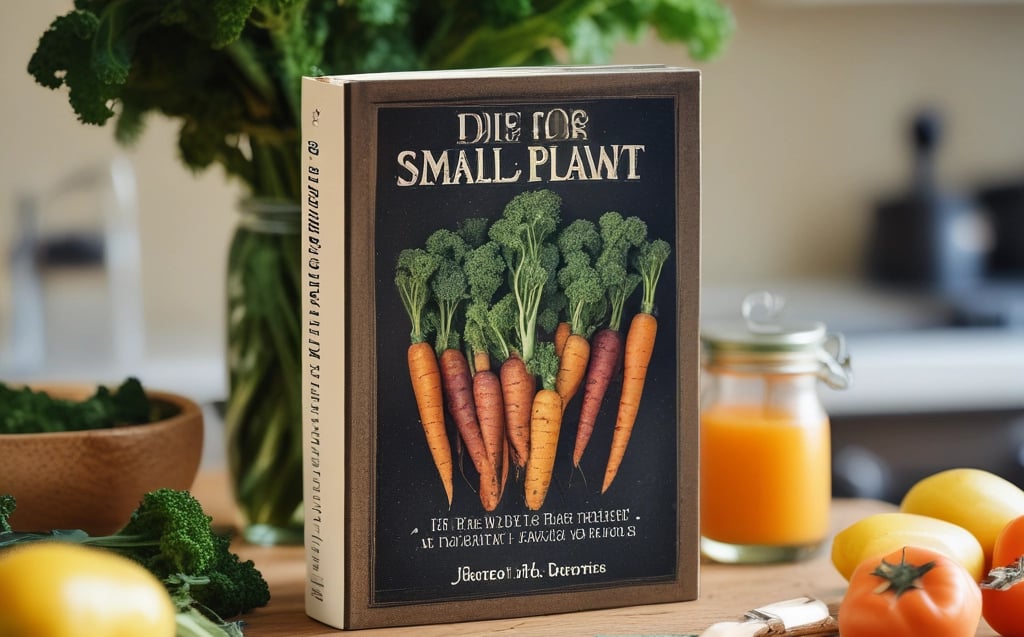
Frances Moore Lappé and the 50-Year Revolution of Diet for a Small Planet
Explore Frances Moore Lappé's 'Diet for a Small Planet', a revolutionary toolkit that transformed the global food conversation. Discover the 50th-anniversary edition and learn how to eat for the planet without sacrificing flavor.
2/9/20262 min temps de lecture
The Book That Taught Us to Vote With Our Forks
Back in 1970, a 26-year-old in Berkeley named Frances Moore Lappé wrote a one-page flyer about why people were going hungry. She wasn't trying to start a revolution; she was just trying to make sense of a broken system. But her friends loved it. Then her community loved it. That one page grew into five, then seventy, and eventually became Diet for a Small Planet.
Fifty years and 3 million copies later, it’s back with a massive update. And honestly? We need it now more than ever.
The "Protein Factory in Reverse"
Lappé’s big realization was pretty wild for the 70s: she found that producing meat was essentially a "protein factory in reverse."
Get this—back in 1969, it took about seven pounds of grain and soy just to produce one single pound of meat. We were (and still are) pouring massive amounts of food into livestock that could have gone directly to people. It’s a simple math problem with a heartbreaking result: hunger in a world of plenty.
What’s New in the 50th Anniversary Edition?
The world has changed since the original "soybean circuit" days, and this edition reflects that. You won't find any weird 70s relics like margarine or soy grits here. Instead, Lappé teamed up with some heavy hitters—people like Padma Lakshmi, José Andrés, and Alice Waters—to pull together 85 plant-centered recipes that actually taste like something you'd want to eat.
We’re talking about things like:
Velvety yellow lentil soup with cumin and dried plums.
The legendary Walnut Cheddar Loaf (some classics are too good to cut).
Miso-butter "casseroles" with leeks and shiitakes.
It’s Not About Being "Perfect"
Here is the coolest part about Lappé’s current outlook: she’s not here to judge you.
While meat consumption is actually up in the U.S. since 2016, there's a huge shift happening with younger generations. More than half of young Americans now call themselves "flexitarians." Lappé is totally on board with this. She’s moved away from the "you should" finger-wagging of old-school environmentalism and toward a "you can" philosophy.
If there are some non-plant goodies you just can’t quit, that’s fine. The goal is a plant-centered life, not a perfect one. It’s about feeling better, saving some cash, and maybe—just maybe—helping the planet breathe a little easier.
It’s pretty incredible how a five-page booklet from Berkeley ended up shaping how we think about food half a century later. If you want to check out the new recipes or dive into the philosophy, you can find the anniversary edition here.
Contact
Téléphone
healthyyyyplus@gmail.com
+33 612379219