Embrace natural wellness with HerbalVoice. Expert insights on herbal remedies, superfoods, and holistic health to help you boost immunity, find balance, and thrive. Your journey to vibrant, natural living starts here
Foods to Eat Instead of Taking Supplements: Nature’s Nutrient Powerhouses
chung
11/20/20253 min temps de lecture
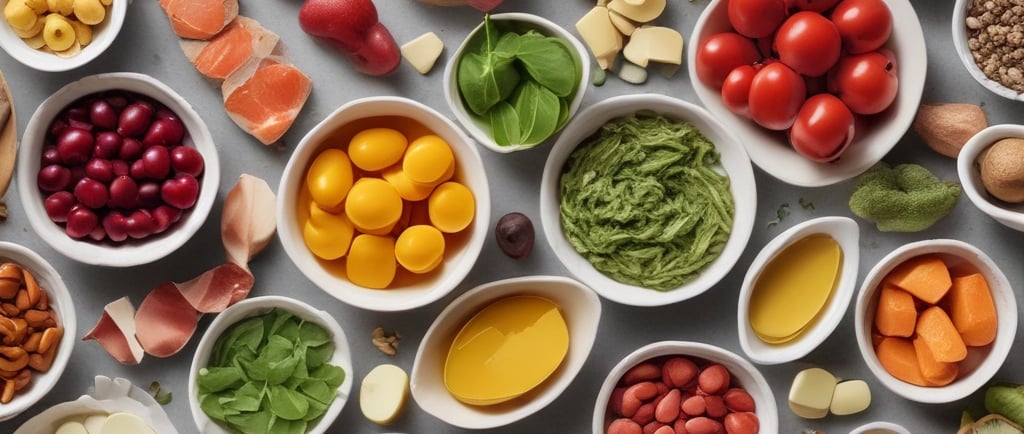
Foods to Eat Instead of Taking Supplements: Nature’s Nutrient Powerhouses
SEO Meta Description:
Skip the pills! Discover natural food sources for essential nutrients like zinc, calcium, magnesium, iron, and vitamins. Learn how to meet your nutritional needs through whole foods.
Introduction
Supplements are everywhere—promising quick fixes for deficiencies and better health. But here’s the truth: your plate can provide everything your body needs without relying on pills. Whole foods offer not only vitamins and minerals but also fiber, antioxidants, and compounds that supplements simply can’t replicate.
Ready to swap capsules for real food? Let’s explore the best natural sources for key nutrients and why they’re better than synthetic alternatives.
Why Choose Food Over Supplements?
Better Absorption: Nutrients in food come with cofactors that aid absorption.
Balanced Nutrition: Whole foods provide a mix of vitamins, minerals, and phytonutrients.
Lower Risk: Overdosing on supplements can harm health; food rarely poses this risk.
Enjoyment Factor: Eating delicious meals beats swallowing pills any day!
Essential Nutrients and Their Food Sources
1. Zinc – For Immunity and Skin Health
Why You Need It: Supports immune function and wound healing.
Food Sources: Hemp seeds, lentils, pumpkin seeds.
Tip: Sprinkle seeds on salads or blend into smoothies.
2. Calcium – For Strong Bones
Why You Need It: Builds bones and teeth, regulates muscle function.
Food Sources: Chia seeds, bok choy, tahini.
Tip: Add tahini to dressings or enjoy chia pudding.
3. Magnesium – For Energy and Relaxation
Why You Need It: Supports nerve function and muscle relaxation.
Food Sources: Avocados, black beans, dark chocolate (70%+ cacao).
Tip: Snack on dark chocolate or add avocado to toast.
4. Iron – For Oxygen Transport
Why You Need It: Essential for hemoglobin and energy.
Food Sources: Tofu, quinoa, cooked spinach (pair with vitamin C for better absorption).
Tip: Combine spinach with citrus for maximum benefit.
5. Vitamin C – For Immunity and Skin
Why You Need It: Antioxidant that boosts collagen and immunity.
Food Sources: Kiwi, bell peppers, broccoli.
Tip: Snack on raw peppers or add kiwi to smoothies.
6. Vitamin D – For Bone Health
Why You Need It: Helps absorb calcium and supports immunity.
Food Sources: UV-exposed mushrooms, sardines, egg yolks (plus sunlight!).
Tip: Roast mushrooms or enjoy sardines on whole-grain toast.
7. Omega-3 (ALA) – For Brain and Heart
Why You Need It: Reduces inflammation and supports brain health.
Food Sources: Flaxseeds, walnuts, chia seeds.
Tip: Add flaxseed to oatmeal or snack on walnuts.
8. Vitamin A – For Vision and Skin
Why You Need It: Maintains eye health and skin integrity.
Food Sources: Carrots, butternut squash, kale.
Tip: Roast carrots or blend kale into smoothies.
9. Potassium – For Muscle and Heart
Why You Need It: Regulates fluid balance and nerve signals.
Food Sources: White beans, sweet potatoes, bananas.
Tip: Make a sweet potato mash or enjoy a banana smoothie.
10. Vitamin E – For Skin and Antioxidant Support
Why You Need It: Protects cells from oxidative stress.
Food Sources: Sunflower seeds, almonds, red bell peppers.
Tip: Snack on almonds or sprinkle sunflower seeds on salads.
11. B Vitamins (B1, B2, B3, B6) – For Energy
Why You Need It: Supports metabolism and nervous system.
Food Sources: Brown rice, legumes, oats.
Tip: Make a hearty lentil and rice bowl.
12. Vitamin B12 – For Nerve Health
Why You Need It: Essential for red blood cell formation.
Food Sources: Fortified nutritional yeast, eggs, sardines.
Tip: Sprinkle nutritional yeast on pasta or salads.
13. Folate (B9) – For Cell Growth
Why You Need It: Crucial for DNA synthesis and pregnancy health.
Food Sources: Asparagus, spinach, oranges.
Tip: Enjoy a spinach salad with orange slices.
14. Iodine – For Thyroid Function
Why You Need It: Regulates metabolism.
Food Sources: Seaweed (nori, kelp), iodized salt.
Tip: Add nori sheets to sushi or salads.
15. Selenium – For Antioxidant Defense
Why You Need It: Protects against oxidative damage.
Food Sources: Brazil nuts, sunflower seeds, brown rice.
Tip: Snack on a couple of Brazil nuts daily.
7-Day Whole-Food Nutrient Plan
Day 1
Breakfast: Oatmeal with chia seeds and walnuts
Lunch: Quinoa salad with spinach and bell peppers
Snack: Dark chocolate and sunflower seeds
Dinner: Grilled salmon with roasted carrots
Day 2
Breakfast: Smoothie with kiwi, flaxseed, and spinach
Lunch: Lentil soup with bok choy
Snack: Brazil nuts and coconut water
Dinner: Tofu stir-fry with broccoli and quinoa
Day 3
Breakfast: Avocado toast with hemp seeds
Lunch: Brown rice bowl with kidney beans and kale
Snack: Almonds and pomegranate seeds
Dinner: Sardines with roasted sweet potatoes
(Continue similar pattern for Days 4–7 with variety.)
FAQs About Food vs Supplements
Q1: Can food really replace supplements?
Yes, for most nutrients, whole foods are sufficient if your diet is balanced.
Q2: Are supplements ever necessary?
Yes, in cases of severe deficiency or medical conditions.
Q3: How long before I notice benefits?
Usually within a few weeks of consistent dietary changes.
Conclusion
Nature provides everything your body needs—no pills required. By incorporating these nutrient-rich foods into your daily meals, you’ll not only meet your vitamin and mineral needs but also enjoy better digestion, energy, and overall health. So, next time you think about supplements, head to the kitchen instead!
Contact
Téléphone
healthyyyyplus@gmail.com
+33 612379219