Intermittent_Fasting
🕰️ What Is Intermittent Fasting?
Everything You Need to Know
Intermittent fasting (IF) isn’t a diet — it’s a pattern of eating that alternates between periods of eating and fasting. Instead of focusing on what you eat, it focuses on when you eat. For many, it’s a natural, flexible way to support weight balance, energy, and long-term health.
🌿 The Basic Idea
When you fast, your body shifts from burning glucose (from food) to burning stored fat for energy. This gentle metabolic switch helps:
stabilize blood sugar,
improve mental clarity,
and support healthy weight management.
Unlike traditional diets that restrict calories, intermittent fasting allows freedom — you eat normally within specific time windows and give your digestive system a chance to rest.
⏳ Common Fasting Methods
There’s no one-size-fits-all approach. The most popular methods include:
The 16/8 Method
Fast for 16 hours, eat within an 8-hour window (for example, from 12 p.m. to 8 p.m.). It’s simple and fits most daily routines.The 5:2 Method
Eat normally for five days a week and reduce calories (around 500–600 kcal) on two non-consecutive days.The Eat-Stop-Eat Method
A full 24-hour fast once or twice a week. This method requires more discipline and is not for beginners.The 14/10 or 12/12 Method
Milder versions that still promote digestive rest — perfect for newcomers or those with demanding schedules.
💪 The Benefits of Intermittent Fasting
Supports Weight Management
Fasting periods lower insulin levels and increase fat burning without strict calorie counting.Enhances Metabolic Health
It may improve blood sugar control, lower inflammation, and reduce risk factors for heart disease.Boosts Brain Function
Studies suggest fasting enhances focus and supports neuroplasticity — helping your brain stay sharp.Promotes Cellular Renewal
During fasting, your body activates autophagy, a natural detox process where cells repair and recycle damaged components.Improves Energy and Sleep Quality
Many people report steady energy and deeper sleep once their bodies adapt.
⚠️ Important Considerations
Intermittent fasting is not suitable for everyone. Avoid or seek medical guidance if you:
are pregnant or breastfeeding,
have diabetes or blood sugar instability,
take medication that requires food intake,
have a history of eating disorders.
Always listen to your body. If fasting leaves you fatigued or irritable, adjust your schedule or stop altogether.
🍵 How to Start Gently
Begin by shortening your eating window gradually — for example, 12/12 before moving to 14/10.
Stay hydrated: drink water, herbal tea, or black coffee during fasting hours.
Eat nourishing foods during your eating window — whole grains, colorful vegetables, healthy fats, and lean proteins.
Sleep well: fasting works best when paired with rest and calm.
🌸 Final Thought
Intermittent fasting is less about deprivation and more about balance, rhythm, and awareness.
It reminds us that we don’t always need to eat — sometimes, the most nourishing act is to pause, breathe, and let the body reset.
“When you master the rhythm of fasting and nourishment, your body and mind move in harmony.”
What Is the 5:2 Diet?
🥗 The 5:2 Diet
A Simple, Sustainable Approach to Intermittent Fasting
The 5:2 diet is one of the most flexible and popular ways to practice intermittent fasting. Instead of cutting out entire food groups or tracking every calorie, this method focuses on balance — eating normally most of the time and gently reducing calories just two days a week.
🌿 What Is the 5:2 Diet?
The principle is simple:
Five days a week, you eat as you normally would — choosing nourishing, balanced meals.
Two non-consecutive days, you reduce your calorie intake to about 500–600 calories per day.
This rhythm allows your body to rest and reset without feeling deprived. It’s less of a “diet” and more of a mindful approach to how and when you eat.
🍎 How It Works
When you eat less for short periods, your body:
lowers insulin levels and begins burning stored fat for energy,
triggers autophagy, a natural cell-cleaning process,
and encourages metabolic flexibility — the ability to switch easily between energy sources.
The 5:2 pattern helps regulate appetite, support healthy weight management, and promote overall well-being.
🌸 What to Eat on Fasting Days
Keep it simple and nourishing:
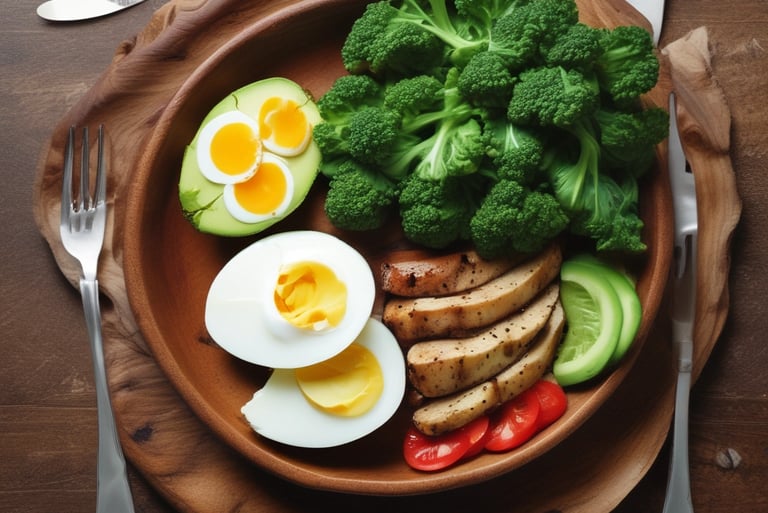
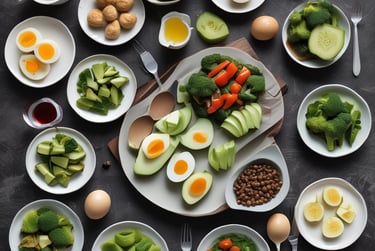
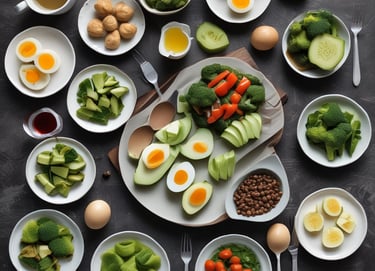
Protein: eggs, fish, tofu, lentils
Vegetables: spinach, broccoli, zucchini, peppers
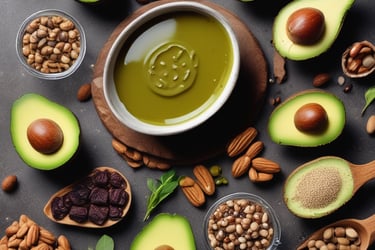
Healthy fats: avocado, olive oil, nuts (in moderation)
Fluids: water, green tea, herbal infusions, black coffee
These foods help maintain fullness while keeping calories low and nutrients high.
💪 Key Benefits of the 5:2 Diet
Supports Natural Weight Management without strict calorie tracking
Improves Insulin Sensitivity and may lower blood sugar levels
Boosts Energy and Focus through metabolic balance
Promotes Cellular Repair and longevity via fasting periods
Flexible and Sustainable, fitting easily into most lifestyles
⚠️ Tips and Precautions
Avoid fasting on consecutive days.
Do not overeat on non-fasting days.
Stay hydrated and prioritize sleep.
Consult a healthcare professional if you have diabetes, are pregnant, or take medication.
Remember, fasting should enhance your life — not restrict it.
🌿 Final Thought
The 5:2 diet encourages a gentle rhythm: moments of nourishment balanced with mindful restraint.
It’s a reminder that your relationship with food doesn’t have to be complicated. By listening to your body and respecting its natural cycles, you cultivate harmony, energy, and long-term wellness.
“Eat with awareness, rest with purpose — and let balance guide your plate.”
Alternate-Day Fasting
🔄 Alternate-Day Fasting
Learn How to Fast Every Other Day
Alternate-day fasting (ADF) is a unique style of intermittent fasting that alternates between eating days and fasting days. Unlike restrictive diets, it’s less about limiting what you eat and more about creating balance — giving your body regular periods of rest and renewal.
🌿 What Is Alternate-Day Fasting?
With ADF, you eat normally one day, then reduce calories the next — typically to about 500–600 calories or sometimes nothing at all, depending on your comfort level and goals.
For example:
Monday: Normal, balanced meals
Tuesday: Light fasting day (~500 kcal)
Wednesday: Normal eating
Thursday: Light fasting day
…and so on.
This steady rhythm helps your body reset, improves metabolic flexibility, and can support long-term health without daily deprivation.
🧬 How It Works
During fasting days, your insulin levels drop, allowing your body to:
burn stored fat for energy,
activate autophagy (cellular cleansing and repair),
and reduce inflammation while enhancing energy efficiency.
Eating days then replenish your nutrients, stabilize hormones, and maintain a healthy relationship with food.
It’s a natural ebb and flow — much like the cycles found in nature.
🍵 What to Eat on Fasting Days
Even when calories are limited, nutrient density matters.
Focus on foods that satisfy and nourish without spiking blood sugar:
Vegetables: leafy greens, zucchini, cucumber, broccoli
Proteins: boiled eggs, tofu, fish, lentil soup
Healthy fats: avocado, olive oil, small handful of nuts
Hydration: water, herbal tea, black coffee, mineral water
Avoid sugary drinks or processed foods — they can make fasting harder and less effective.
💪 Benefits of Alternate-Day Fasting
Research and personal experience suggest several positive effects:
Weight Management — Supports fat loss while preserving lean muscle.
Improved Heart Health — May reduce triglycerides and cholesterol.
Better Blood Sugar Control — Promotes insulin sensitivity and steady energy.
Enhanced Brain Function — Fasting can improve focus and protect against cognitive decline.
Longevity Support — Autophagy encourages cell repair and healthy aging.
⚠️ Things to Keep in Mind
Start slowly. Begin with one fasting day per week before alternating fully.
Don’t overeat on non-fasting days — choose wholesome, balanced meals.
Listen to your body. Fatigue, irritability, or dizziness are signs to ease up.
Not for everyone: people with diabetes, eating disorders, or specific medical conditions should consult a doctor first.
🌸 Tips for Success
Plan fasting days on less demanding days of your week.
Drink plenty of water — hydration reduces hunger.
Practice gentle exercise like walking or yoga.
Use the time gained from fewer meals for self-care or reflection.
🌿 Final Thought
Alternate-day fasting is not about punishment or strict control — it’s about rhythm, awareness, and renewal.
By learning to pause, you give your body time to heal and your mind space to breathe.
“When you fast with intention, you nourish more than your body — you nourish your balance.”


The 16:8 Plan
⏰ Other Options: The 16:8 Plan and Other Types of Intermittent Fasting Explained
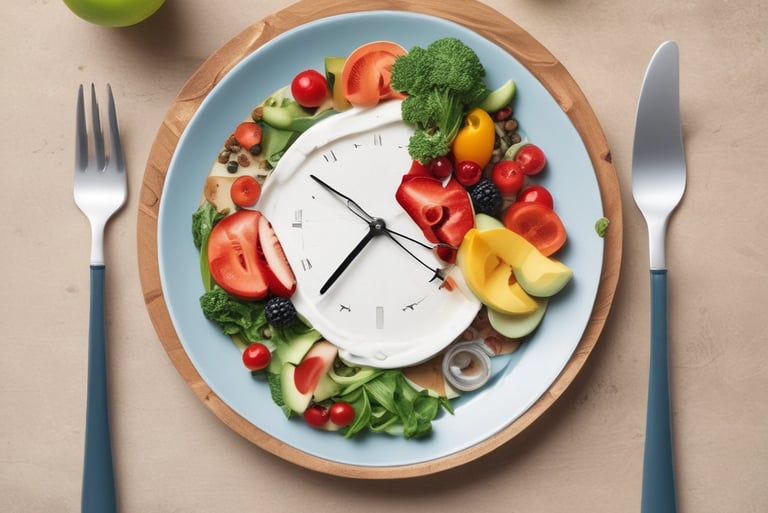
Intermittent fasting (IF) isn’t one rigid formula — it’s a flexible lifestyle that allows you to find the rhythm that suits your body and your life. Whether you’re drawn to the 16:8 plan, the 5:2 approach, or alternate-day fasting, each method offers unique benefits while following the same principle: eat during certain hours, rest your digestive system during others.
🕗 The 16:8 Plan — The Most Popular Form of Fasting
The 16:8 method involves fasting for 16 hours each day and eating during an 8-hour window.
For example:
Eat between 12 p.m. and 8 p.m.
Fast from 8 p.m. to 12 p.m. the next day (including overnight).
During the fasting period, you can drink water, herbal tea, or black coffee.
It’s simple, adaptable, and effective for beginners.
Benefits:
Supports weight management without calorie counting.
Improves focus and energy during fasting hours.
Encourages stable blood sugar and hormone balance.
💡 Tip: If 16 hours feels too long, start with a 14:10 or 12:12 schedule and build up gradually.
🕰️ The 18:6 and 20:4 Variants — For Experienced Fasters
For those who adapt easily to fasting, shortening the eating window can deepen the benefits:
18:6: Fast for 18 hours, eat within 6 hours (for example, 1 p.m.–7 p.m.).
20:4: Also known as the Warrior Diet, it includes a light snack during the day and one large, nutrient-dense meal in the evening.
These methods can enhance fat burning and mental clarity — but they require mindfulness and good hydration.
🗓️ The 5:2 Method — Gentle and Flexible
Eat normally five days per week, and reduce calories to 500–600 on two non-consecutive days.
This approach fits easily into social or family routines and feels less restrictive than daily fasting.
Best for: people who prefer structured weeks rather than daily time limits.
🔁 Alternate-Day Fasting — Rhythm of Renewal
With ADF, you alternate between normal eating days and fasting days (500–600 kcal or full fasts).
It’s powerful for improving metabolic health, insulin sensitivity, and energy balance — but beginners should approach it gradually.
🧘♀️ Choosing What Works for You
There is no “best” fasting method — only the one that aligns with your lifestyle, energy levels, and goals.
Ask yourself:
Do I prefer consistency each day or flexibility through the week?
When do I feel most energized — morning or evening?
Can I sustain this rhythm long term?
Start small, listen to your body, and adjust. Intermittent fasting is about balance, not extremes.
🌿 Final Thought
Fasting is an ancient rhythm made modern again — a reminder that sometimes, less truly is more.
By finding the right timing for your meals, you give your body space to repair, your mind time to reset, and your life a little more harmony.
“It’s not about eating less — it’s about eating more consciously.”





150 Calories and Under
🥣 150 Calories and Under
Light, Nourishing Meals That Delight Without the Guilt
Healthy eating doesn’t have to mean deprivation. Sometimes, the most satisfying dishes are the simplest ones — made from fresh, colorful ingredients and bursting with flavor. Whether you’re craving a cozy soup or a refreshing breakfast bowl, these under-150-calorie ideas prove that good food can also be light, nourishing, and joyful.
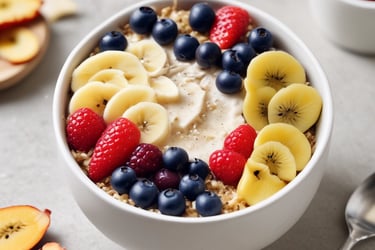
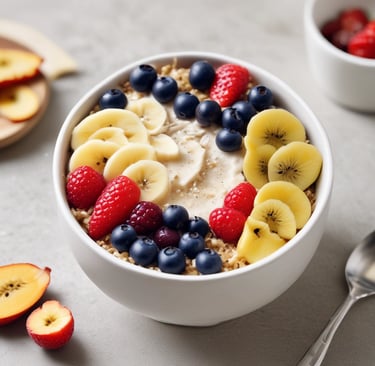
🥣 Kefir Fruit & Bran Bowl
A naturally probiotic breakfast that supports your gut and keeps you energized.
Ingredients:
½ cup kefir (unsweetened)
1 tablespoon bran flakes
A few slices of banana or berries
A drizzle of honey (optional)
Why it works:
Kefir is rich in probiotics, bran adds fiber for lasting fullness, and fruit brings vitamins and natural sweetness — all under 150 calories.
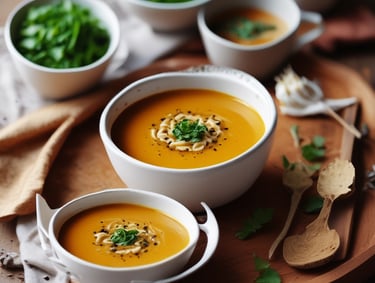
🍲 Chipotle-Spiced Pumpkin Soup
Warm, smoky, and packed with beta-carotene.
Ingredients:
1 cup roasted pumpkin purée
½ teaspoon chipotle or smoked paprika
1 cup vegetable broth
A splash of coconut milk or oat milk
Why it works:
Low in fat, rich in fiber, and high in antioxidants, this soup makes the perfect light lunch or pre-dinner appetizer.
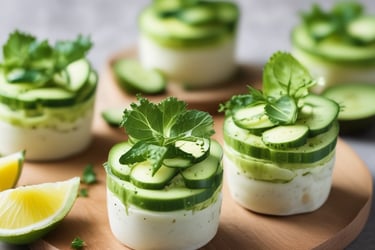
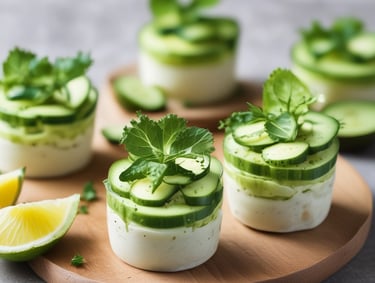
🥗 Cucumber & Avocado Salad Cups
Crunchy, creamy, and refreshing.
Ingredients:
½ avocado (mashed)
1 cucumber (sliced into cups or rounds)
Lemon juice, herbs, and sea salt
Why it works:
Healthy fats and hydration in one bite — a satisfying snack that feels indulgent yet stays under 150 calories.
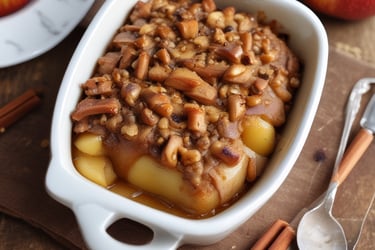
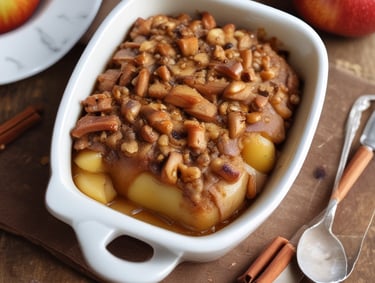
🍎 Baked Cinnamon Apple
A naturally sweet treat for cozy evenings.
Ingredients:
1 medium apple
Sprinkle of cinnamon
Optional: a teaspoon of crushed nuts or raisins
Why it works:
This warm, comforting dessert delivers fiber, antioxidants, and sweetness without refined sugar.
🧘♀️ Why Light Meals Matter
Meals under 150 calories aren’t just about cutting calories — they’re about balance, digestion, and nourishment. Smaller, nutrient-dense portions can:
Stabilize energy and blood sugar levels,
Reduce digestive load,
Encourage mindful eating and appreciation for flavor.
It’s not about eating less — it’s about eating smart and enjoying every bite.
🌿 Final Thought
Choosing lighter meals can be a gentle way to reset your body, reconnect with your hunger cues, and celebrate simplicity.
From the probiotic tang of kefir to the earthy warmth of pumpkin, each dish here reminds us that nourishment doesn’t need to be heavy to be satisfying.
“Let every meal be a small act of kindness toward your body.”Write your text here...

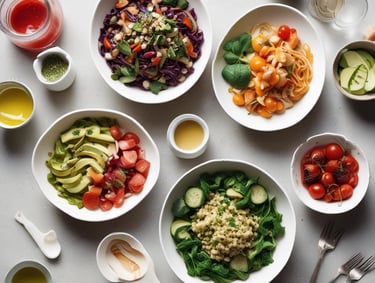
🍽️ 200 Calories and Under
🍽️ 200 Calories and Under
Flavor-Packed Meals That Keep You Satisfied and Energized
Healthy eating should never feel like a compromise. The secret to lasting wellness is learning how to fill your plate with nourishing, flavorful foods that satisfy both body and soul — without tipping over 200 calories per serving.
From a creamy vanilla porridge to a vibrant Thai beef salad, these ideas prove that light can still mean luxurious.
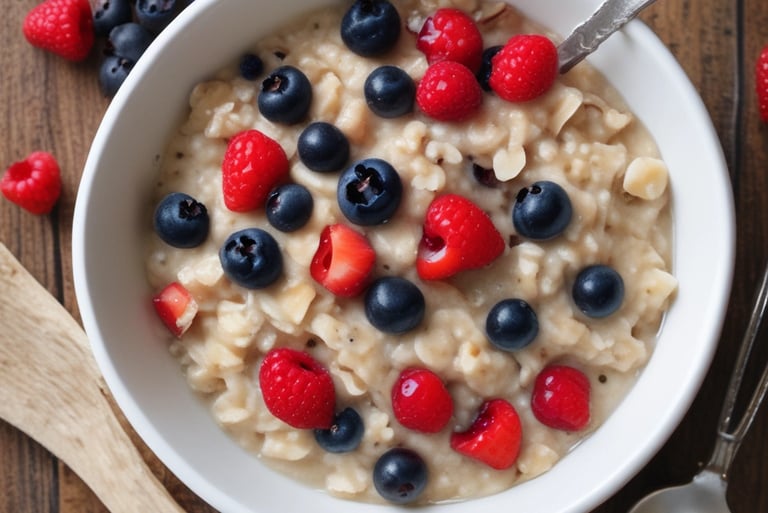
🍯 Vanilla Porridge with Fresh Berries
Calories: ~190
Ingredients:
½ cup oats
1 cup unsweetened almond or oat milk
½ teaspoon pure vanilla extract
A handful of mixed berries
Why it works:
The oats provide slow-release energy, while vanilla and berries deliver natural sweetness and antioxidants. It’s warm, cozy, and perfect for mindful mornings.
💡 Tip: Top with a few chia seeds or a sprinkle of cinnamon for extra fiber and flavor.
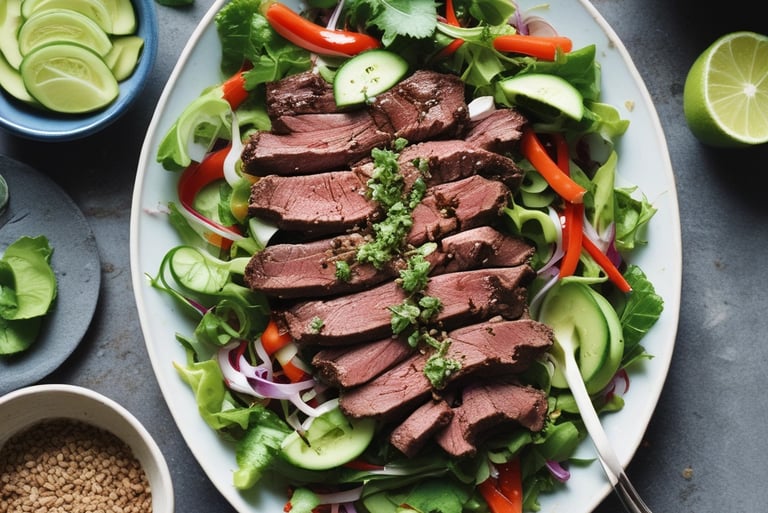
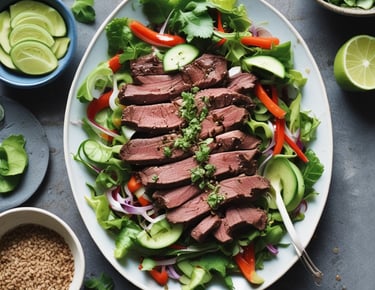
🥗 Thai Beef Salad
Calories: ~200
Ingredients:
75 g lean beef, grilled and sliced
Mixed greens, cucumber, mint, coriander
Dressing: lime juice, chili, and a few drops of sesame oil
Why it works:
Protein-rich and refreshing, this salad balances savory and tangy notes while keeping calories light. The fresh herbs and lime awaken your senses and support digestion.
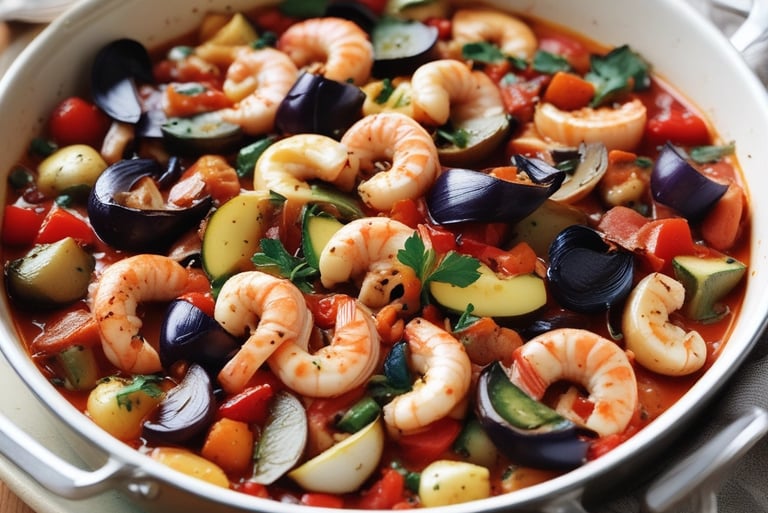
🐟 Seafood Ratatouille
Calories: ~180
Ingredients:
½ cup mixed seafood (shrimp, squid, or white fish)
1 cup chopped zucchini, eggplant, and bell peppers
1 teaspoon olive oil, garlic, and tomato purée
Why it works:
This Mediterranean-inspired dish blends lean protein and colorful vegetables in a light tomato sauce that nourishes without heaviness.
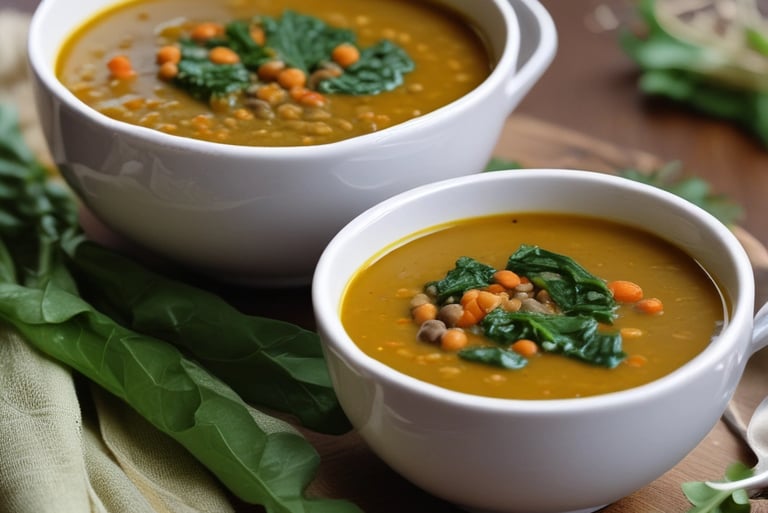
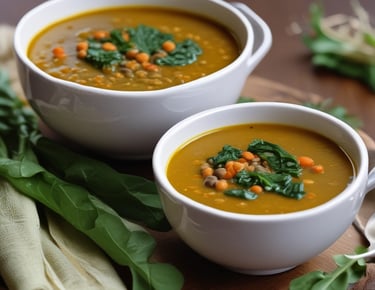
🥣 Lentil & Spinach Soup
Calories: ~170
Ingredients:
½ cup red lentils
1 cup vegetable broth
Fresh spinach, cumin, garlic
Why it works:
Packed with plant protein, fiber, and minerals — this comforting soup fuels your day while keeping you satisfied.
🌿 The Beauty of Light Eating
Meals under 200 calories are not about restriction — they’re about balance and creativity. Each portion offers vibrant colors, fresh textures, and nutrients your body can easily absorb.
Choosing lighter meals helps to:
Regulate appetite and energy,
Support digestion and gut health,
Prevent energy crashes,
Encourage mindful eating and portion awareness.
You’ll discover that with the right ingredients, light food can still feel comforting and full of life.
✨ Final Thought
When flavor, color, and nourishment come together, calories lose their meaning — what matters is how food makes you feel.
Whether you start your day with vanilla porridge or end it with a Thai salad, every bite can be a small celebration of balance.
“Eat lightly, live deeply — let each meal renew your energy and joy.”
250 Calories and Under
🍛 250 Calories and Under
Flavorful, Satisfying Dishes That Prove Healthy Can Be Indulgent
Eating well doesn’t mean sacrificing taste — it means discovering creative ways to make every calorie count.
These under-250-calorie dishes combine bold flavors, nourishing ingredients, and global inspiration — from fragrant Indian spices to creamy European comfort.
Whether you crave smoky seafood, tender meat, or a vegetarian delight, these recipes make healthy eating a true pleasure.
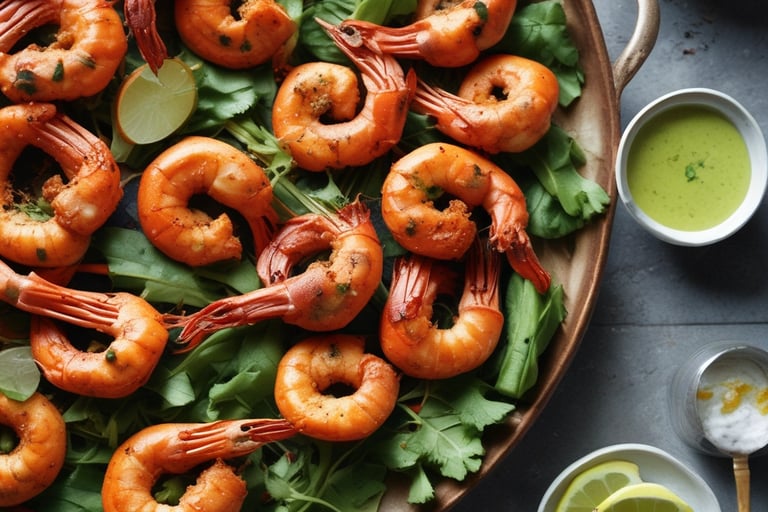
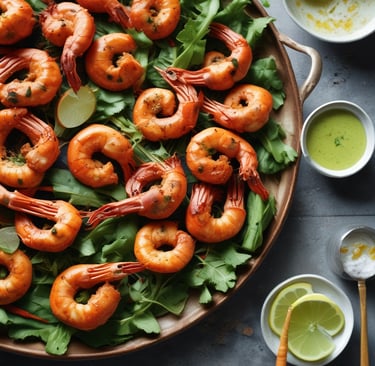
🍤 Indian Tandoori Prawns
Calories: ~240
Ingredients:
100 g prawns, cleaned
2 tablespoons low-fat yogurt
½ teaspoon turmeric, chili powder, and garam masala
Juice of ½ lemon
Why it works:
High in protein, low in fat, and bursting with spice — these prawns are satisfying yet light. Serve with a cucumber-mint salad for a refreshing contrast.
💡 Tip: Use an air fryer or oven grill to get that signature charred edge without extra oil.
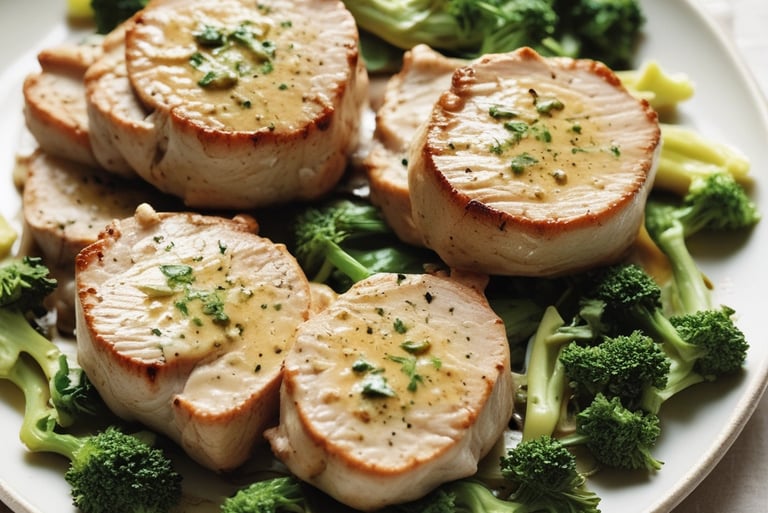
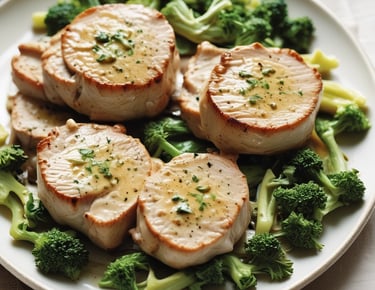
🐖 Creamy Mustard Pork Medallions
Calories: ~250
Ingredients:
100 g lean pork medallions
1 teaspoon Dijon mustard
1 tablespoon light cream or Greek yogurt
½ teaspoon olive oil, garlic, and herbs
Why it works:
Tender pork with creamy tang — all the comfort of a classic dish, lightened up. Pair with steamed greens or a few roasted potatoes for a full meal under 250 calories.
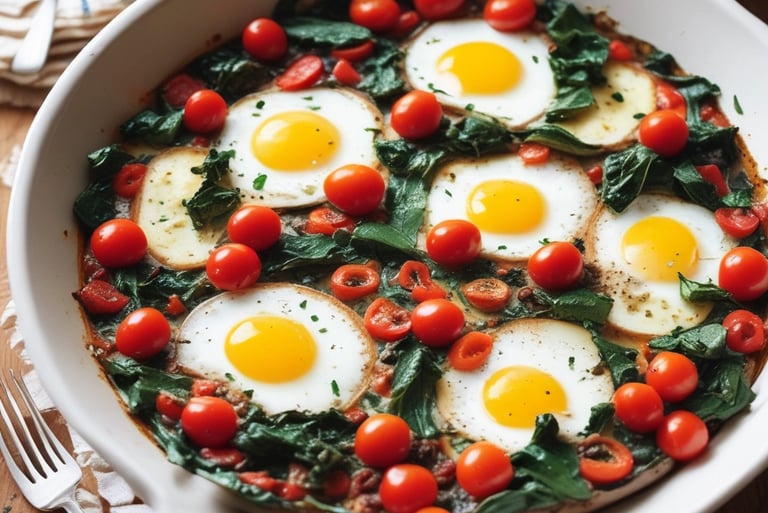
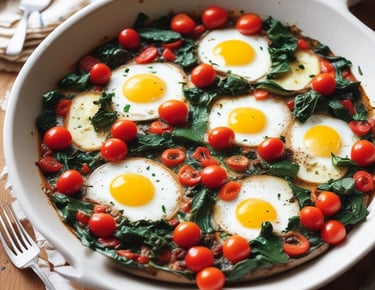
🍳 Veggie Baked Eggs
Calories: ~230
Ingredients:
2 eggs
½ cup spinach, cherry tomatoes, zucchini
Herbs, pepper, and a dash of olive oil
Why it works:
Rich in protein and antioxidants, this dish delivers morning energy and evening comfort.
Baked eggs are endlessly versatile — add mushrooms, peppers, or feta for variety.
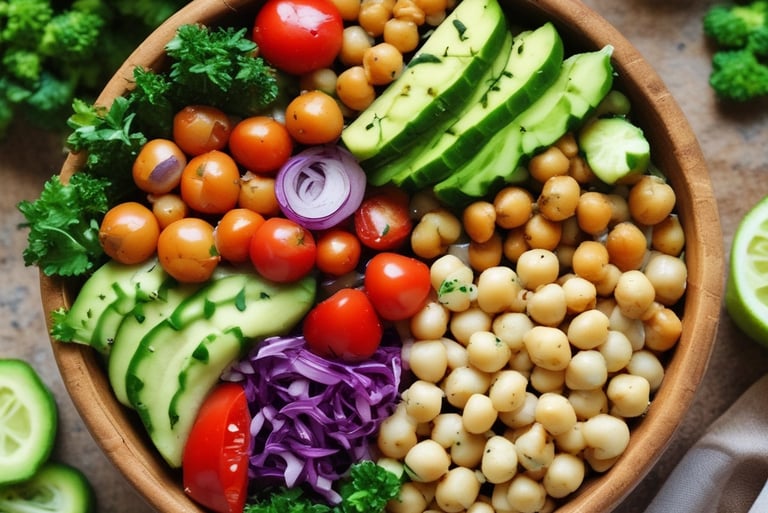
🥗 Bonus: Mediterranean Chickpea Bowl
Calories: ~245
Ingredients:
½ cup chickpeas
Chopped cucumber, tomato, parsley
Lemon juice and olive oil drizzle
Why it works:
A light yet hearty plant-based option filled with fiber, vitamins, and plant protein.
🌿 Why 250 Calories Feels Just Right
Meals in this range strike the perfect balance between satisfaction and lightness.
They provide enough energy to keep you full, while supporting metabolism and portion awareness.
It’s an ideal sweet spot for lunch, light dinners, or mindful meal prep.
Benefits include:
Better digestion and reduced bloating
Stable energy throughout the day
A sense of satisfaction without heaviness
✨ Final Thought
Healthy eating shouldn’t feel restrictive — it should awaken your senses.
These meals prove that 250 calories can be delicious, colorful, and comforting.
“Nourish yourself with flavor, not excess — and every bite becomes joy.”
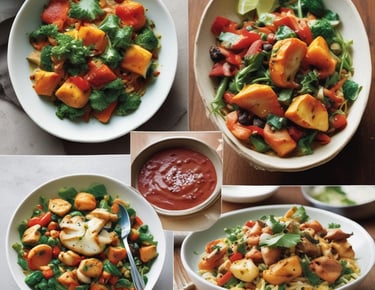
🍜 300 Calories and Under
🍜 300 Calories and Under
Wholesome Comfort Food That Keeps You Light and Satisfied
Healthy doesn’t have to mean tiny portions or bland flavors.
These under-300-calorie meals deliver the perfect balance of nourishment, satisfaction, and taste — ideal for busy days when you want comfort and control.
From golden bubble-and-squeak eggs to a spicy chicken satay bowl, each recipe celebrates color, texture, and balance.
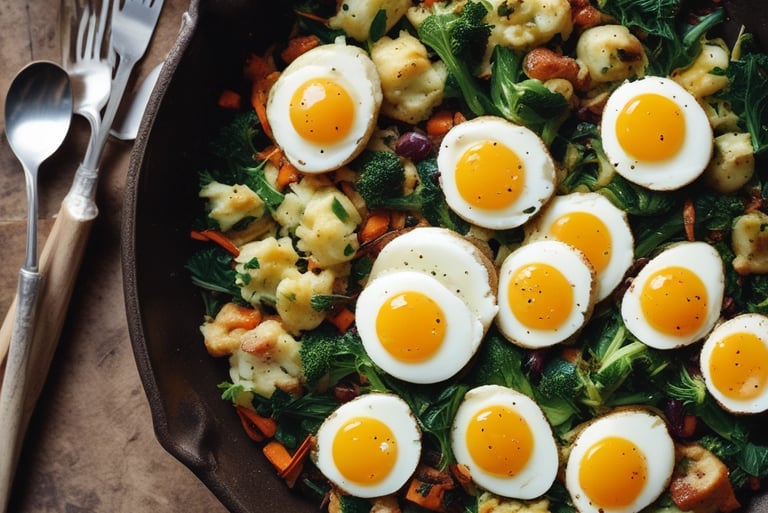
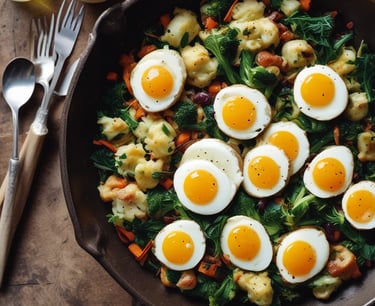
🍳 Easy Eggs with Bubble & Squeak
Calories: ~290
Ingredients:
2 eggs
½ cup mashed potatoes or sweet potatoes
½ cup shredded cabbage and carrots
Olive oil spray, herbs, black pepper
Why it works:
A British classic reimagined for wellness — the eggs provide protein while the vegetables add fiber and vitamins. Pan-fry gently for that golden crisp without excess oil.
💡 Tip: Add a little mustard or spring onion for extra zing.
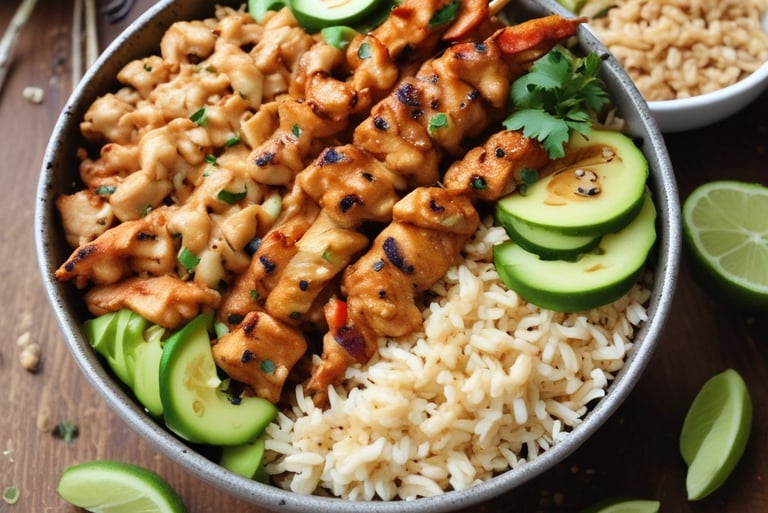
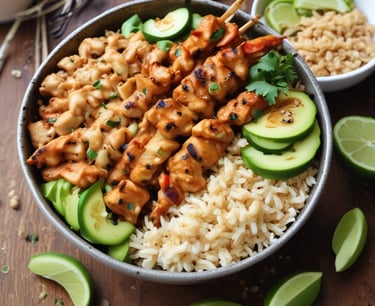
🍗 Chicken Satay Rice Bowl
Calories: ~300
Ingredients:
100 g chicken breast, grilled or pan-seared
½ cup cooked brown rice
1 tablespoon light peanut butter
Soy sauce, lime juice, garlic, and chili flakes
Why it works:
Rich in lean protein and complex carbs, this dish satisfies cravings while staying within your goal.
The satay sauce offers creamy indulgence without unnecessary fats.
💡 Tip: Swap chicken for tofu or tempeh for a vegetarian version.
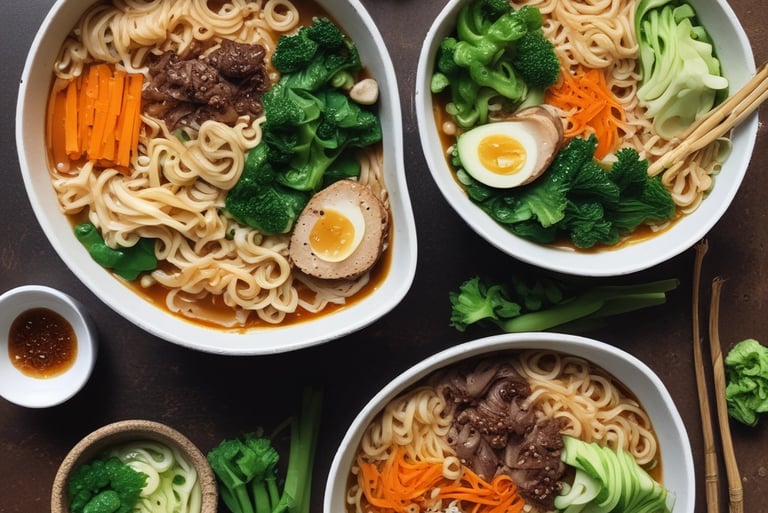
🍜 Speedy Veggie Ramen
Calories: ~280
Ingredients:
1 cup vegetable broth
½ portion ramen noodles
Mushrooms, bok choy, carrots
Soy sauce, ginger, sesame seeds
Why it works:
A warming bowl of umami comfort — quick to make, light to digest.
Packed with antioxidants and hydration, this plant-based ramen is the ultimate cozy-but-clean meal.
🌿 Why 300 Calories Hit the Sweet Spot
Meals in the 300-calorie range are balanced and energizing, providing enough fuel for lunch or dinner while keeping digestion light.
They offer:
Complete nutrition (protein, fiber, healthy fats)
Satisfying portions that prevent overeating
Versatility — perfect for mix-and-match meal prep
This range supports steady energy, focus, and well-being without heaviness.
✨ Final Thought
Healthy living isn’t about cutting calories — it’s about choosing wisely.
Each of these dishes shows that within 300 calories, you can enjoy warmth, flavor, and satisfaction that truly nourish.
“When food is made with care, every bite — no matter how light — feels complete.”
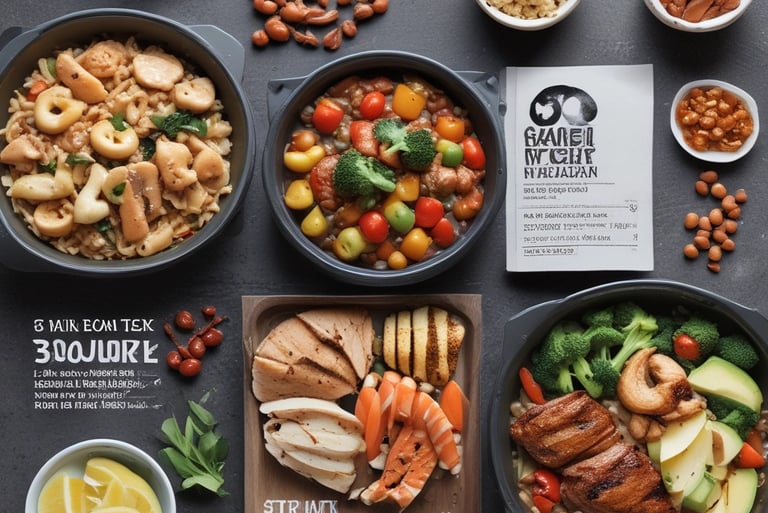
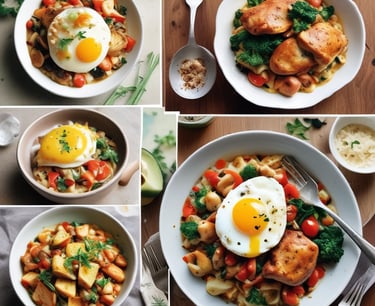
🧀 350 Calories and Under
When Healthy Eating Meets Comfort and Indulgence
Eating well doesn’t mean giving up flavor — it means learning how to balance pleasure and nourishment.
These under-350-calorie meals bring together warmth, richness, and satisfaction — the kind of dishes that feel comforting yet keep you light and energized.
From a gooey brie toastie to a rustic Mediterranean stew, here’s how to treat yourself and stay balanced.
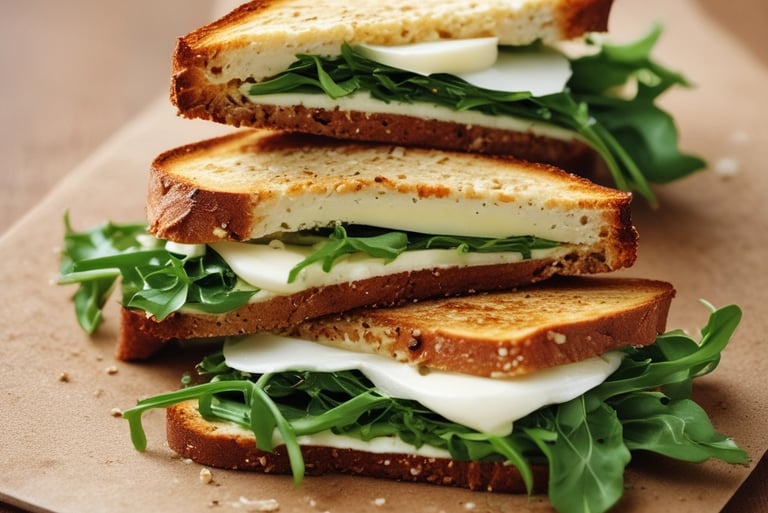
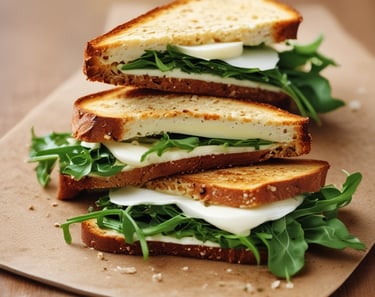
🧀 Brie and Rocket Toasties
Calories: ~340
Ingredients:
2 thin slices whole-grain bread
25 g brie cheese
A handful of rocket (arugula)
1 tsp mustard or honey
Olive-oil spray
Why it works:
Crispy, creamy, and perfectly balanced — the brie melts into the toasted bread while the peppery rocket adds freshness.
Whole-grain bread provides fiber for lasting energy, keeping indulgence smart and satisfying.
💡 Tip: Grill instead of butter-frying for that golden crunch with fewer calories.
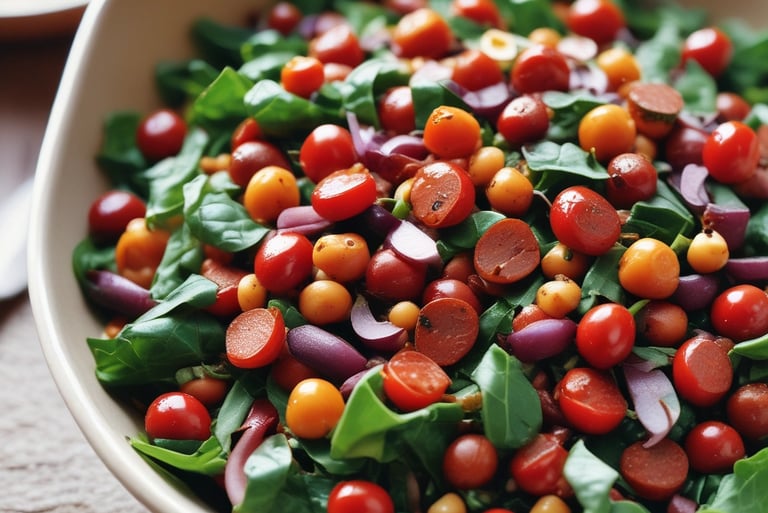
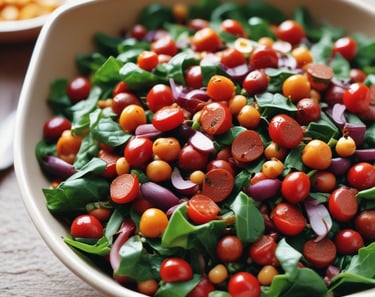
🌶️ Chorizo and Bean Salad
Calories: ~350
Ingredients:
40 g lean chorizo slices
½ cup mixed beans (kidney, cannellini, or chickpeas)
Cherry tomatoes, red onion, and spinach
Splash of lemon juice and paprika
Why it works:
Smoky chorizo adds depth while the beans bring protein and fiber.
A Mediterranean-style dish full of color and texture — rich in flavor, low in guilt.
💡 Tip: Use turkey chorizo or plant-based sausage for an even lighter twist.
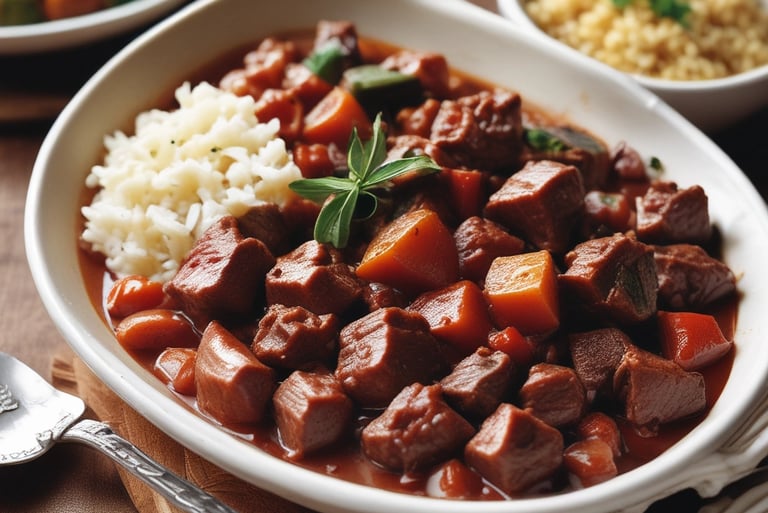
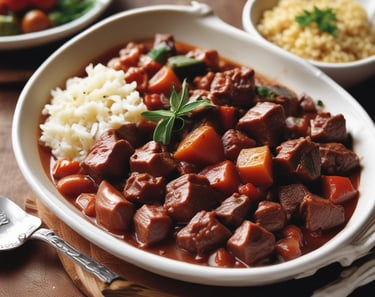
🥘 Greek-Style Beef Stifado
Calories: ~345
Ingredients:
100 g lean beef cubes
½ cup onions and tomatoes
Garlic, cinnamon stick, bay leaf
Splash of red wine (optional)
Why it works:
A hearty, aromatic stew inspired by Greek tradition — slow-cooked for tenderness and rich flavor.
Packed with protein, iron, and Mediterranean comfort in every bite.
💡 Tip: Pair with cauliflower rice or steamed greens for a balanced plate.
🌿 Why 350 Calories Feel So Good
This range gives you room to enjoy heartier, more complex meals while staying within a health-conscious limit.
Meals under 350 calories provide:
Satisfying textures and warmth
Enough protein to keep you full
Comfort food without excess fat or sugar
It’s the sweet spot where indulgence meets intention.
✨ Final Thought
Healthy living isn’t about saying no — it’s about saying yes to the right things.
A little melted cheese, a smoky bite of chorizo, or a spoonful of slow-cooked beef can still fit beautifully into a mindful life.
“Enjoy the richness of flavor — not the weight of excess.”
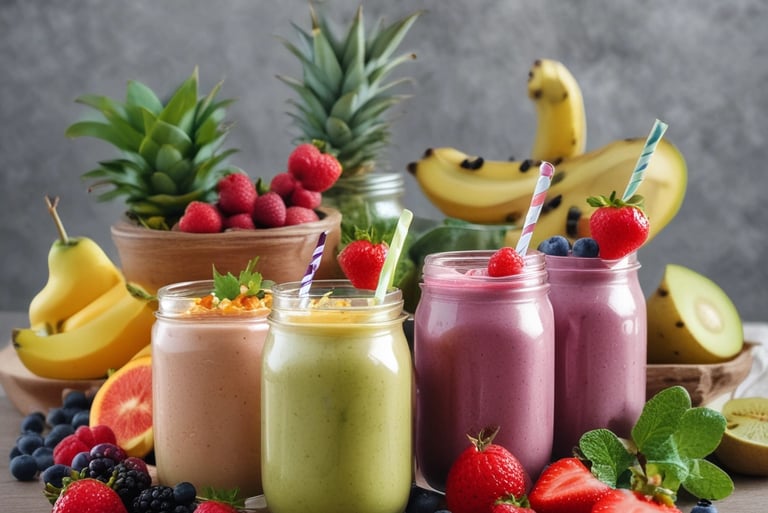
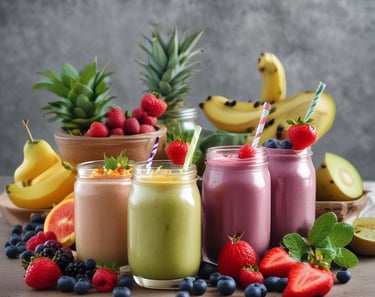
🥤 Smoothies
Super-Nutritious Blends to Power Your Fast Days
When you’re looking for something light yet nourishing, few things beat a well-crafted smoothie.
Packed with vitamins, fiber, and antioxidants, smoothies make a perfect addition to your fasting days — giving your body what it needs to stay balanced, energized, and hydrated.
Whether you prefer fruity freshness, creamy indulgence, or green detox power, these blends will keep you glowing from the inside out.
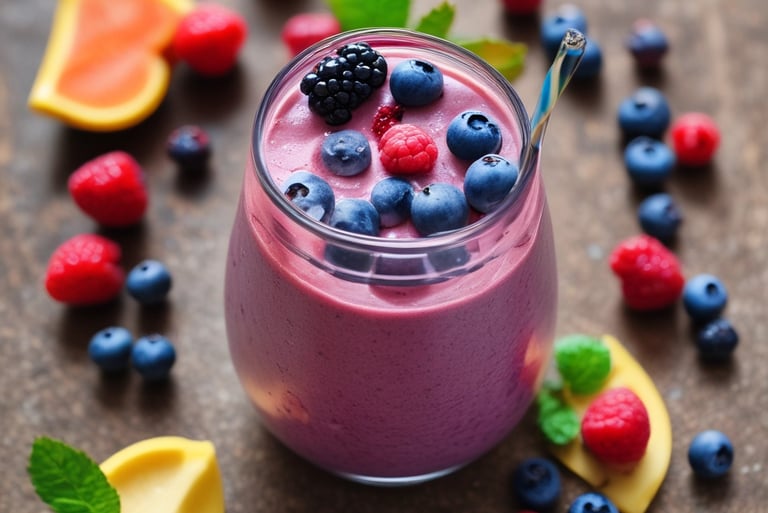
🍓 Berry Antioxidant Smoothie
Calories: ~150
Ingredients:
1 cup unsweetened almond milk
½ cup frozen mixed berries (strawberries, blueberries, raspberries)
1 tablespoon chia seeds
½ banana
Why it works:
Berries are rich in antioxidants that fight inflammation, while chia seeds provide omega-3s and fiber for fullness.
It’s refreshing, hydrating, and naturally sweet — ideal for a light breakfast or post-fast meal.
💡 Tip: Add a few spinach leaves for extra nutrients without changing the taste.
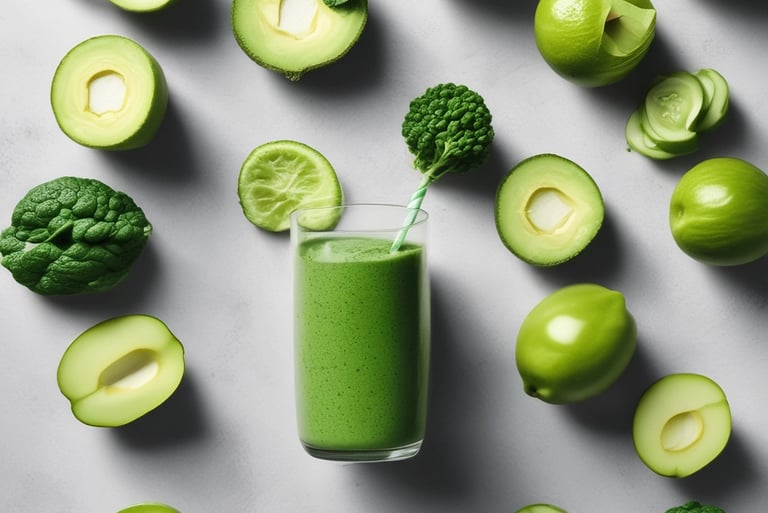
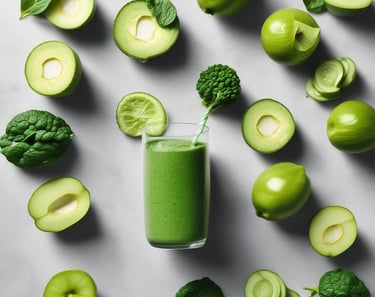
🥬 Green Glow Smoothie
Calories: ~180
Ingredients:
1 cup spinach or kale
½ green apple
½ cucumber
½ avocado
Juice of ½ lemon
1 cup coconut water
Why it works:
This blend supports liver detox and hydration while delivering vitamins A, C, and K.
It’s the perfect reset for your system — light but deeply nourishing.
💡 Tip: Chill before blending for a crisp, refreshing texture.
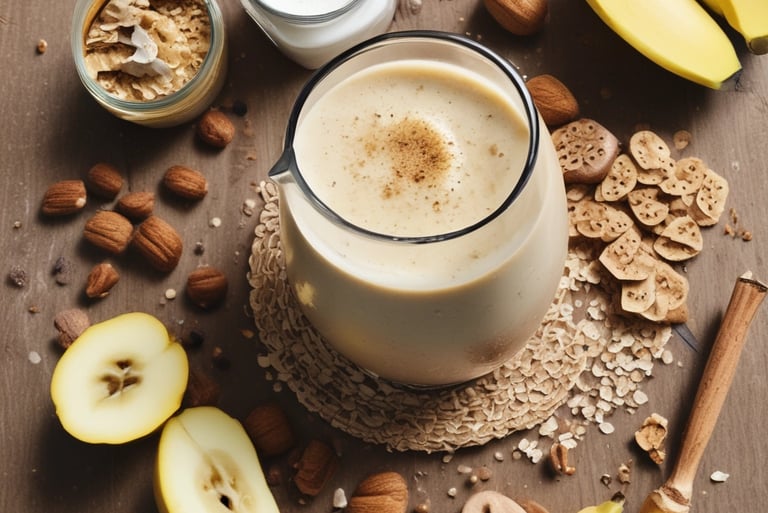
🍌 Banana & Oat Energy Smoothie
Calories: ~200
Ingredients:
1 banana
2 tablespoons oats
½ cup Greek yogurt
1 teaspoon honey or dates
A dash of cinnamon
Why it works:
Creamy, comforting, and energizing — this smoothie keeps blood sugar steady and curbs cravings.
The oats add slow-release carbs, making it perfect for long mornings or gentle recovery after fasting.
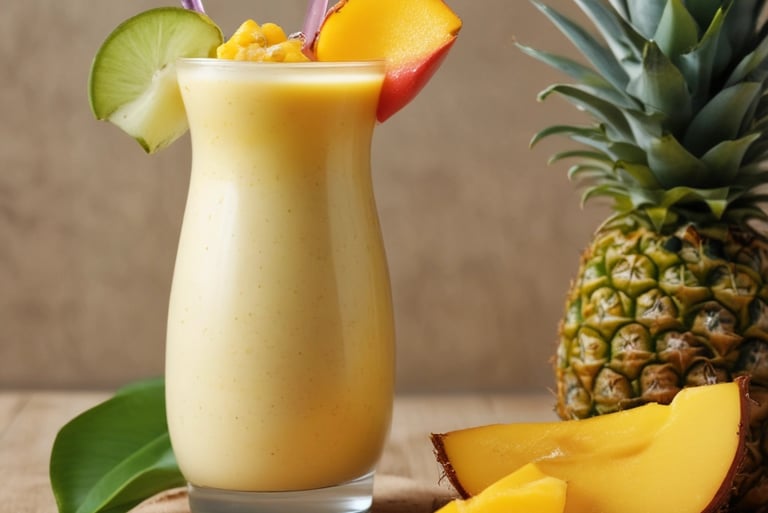
🥭 Tropical Sunshine Smoothie
Calories: ~190
Ingredients:
½ cup mango
½ cup pineapple
½ cup coconut milk
1 tablespoon flaxseeds
Why it works:
Bright, juicy, and mood-lifting — tropical fruits bring vitamin C and digestive enzymes that help your body absorb nutrients more efficiently.
🌿 Why Smoothies Are Perfect for Fast Days
During intermittent fasting, smoothies are an easy way to replenish essential nutrients without overloading your digestion.
They’re hydrating, gentle on the stomach, and customizable — you control every ingredient.
Benefits include:
Steady energy and mental clarity
Improved hydration
Enhanced recovery after fasting periods
Support for glowing skin and better digestion
✨ Final Thought
A good smoothie is more than a drink — it’s a ritual of care.
Each blend offers color, vitality, and nourishment, reminding you that healthy choices can be deliciously simple.
“Sip slowly. Feel alive. Let nature do the healing.”
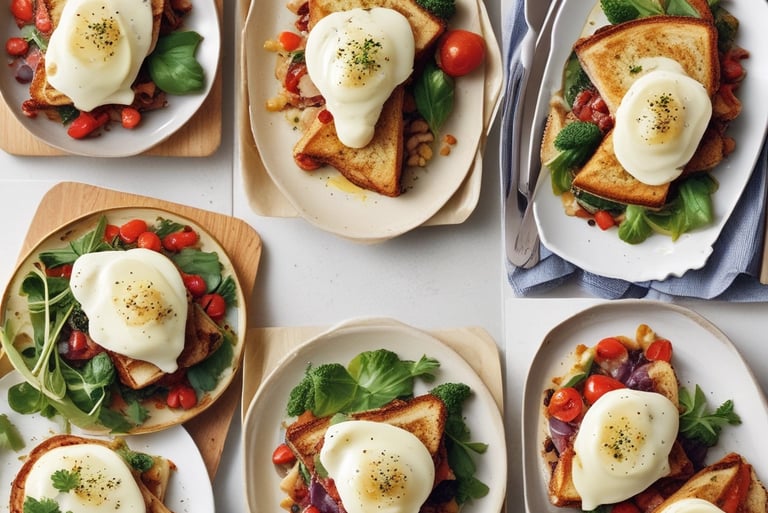

🍓 Desserts
Low-Calorie Puds to Please Your Sweet Tooth
Yes, you can love dessert and live healthily. The secret isn’t cutting out sweetness — it’s choosing ingredients that bring flavor, freshness, and satisfaction without excess sugar or fat.
These light, low-calorie puddings prove that pleasure and balance can happily share a spoon.
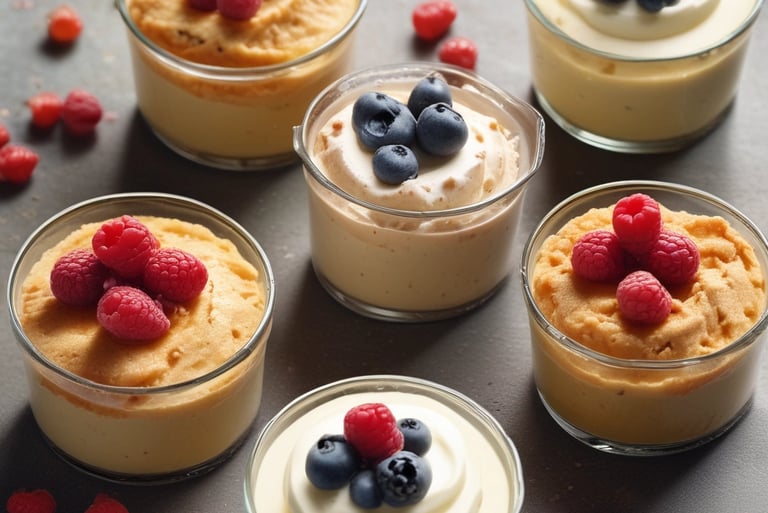
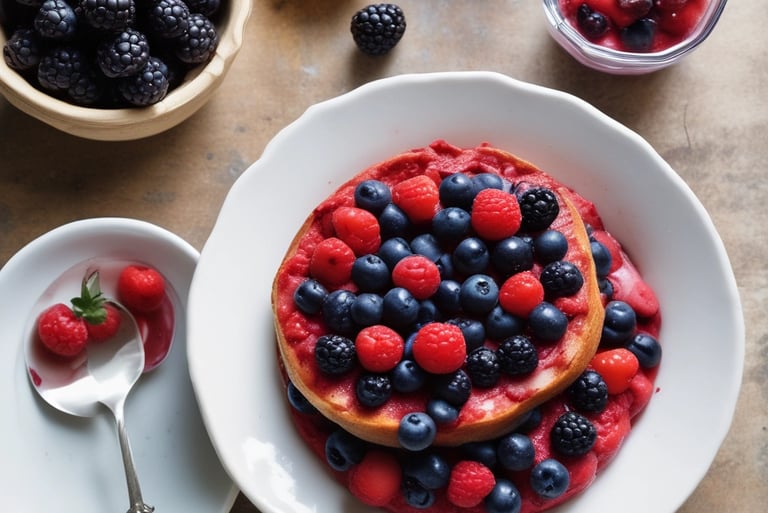
🍓 Summer Berry Pudding
Calories: ~180
Ingredients:
1 cup mixed berries (fresh or frozen)
1 tablespoon honey or agave
2 slices whole-grain or brioche bread, trimmed
Splash of lemon juice
Why it works:
Berries are naturally rich in antioxidants and fiber, while a touch of honey enhances sweetness without overload.
Chill before serving — the bread absorbs the berry juices and turns beautifully ruby red.
💡 Tip: Serve with a spoonful of Greek yogurt instead of cream.
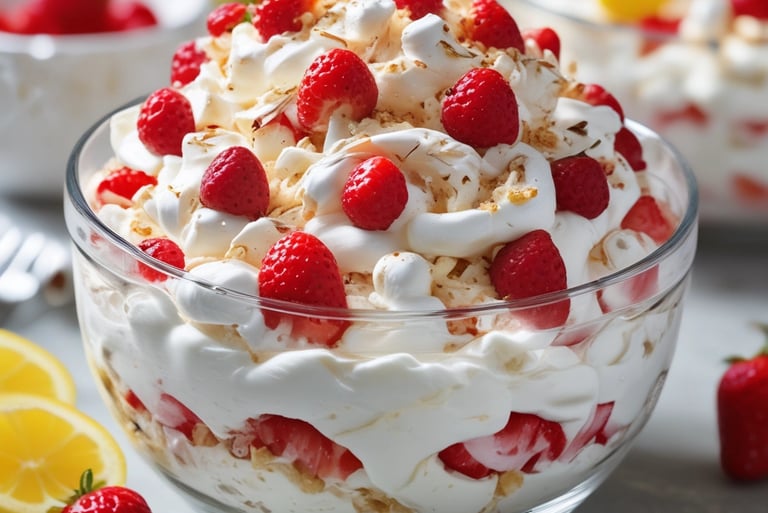
🍋 Lemony Eton Mess
Calories: ~200
Ingredients:
½ cup Greek yogurt or low-fat whipped cream
1 small meringue nest, crushed
Zest and juice of ½ lemon
Fresh strawberries or raspberries
Why it works:
Light, tangy, and airy — this British classic gets a healthy twist with yogurt and bright citrus.
The mix of crunch and cream creates that perfect “messy” harmony of textures.
💡 Tip: Replace sugar with a drizzle of honey or a few crushed berries for natural sweetness.
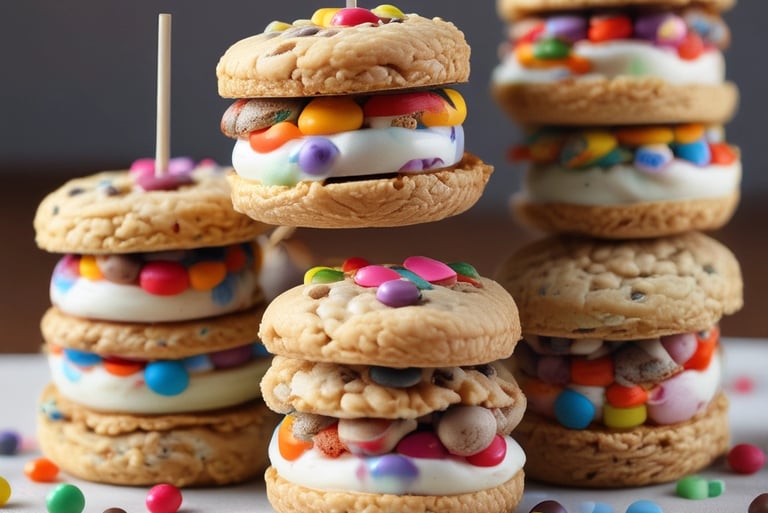
🍪 Smartie Ice-Cream Sandwich
Calories: ~220
Ingredients:
2 small oatmeal cookies
2 tablespoons light vanilla ice cream or frozen yogurt
A few mini Smarties (or dark chocolate chips)
Why it works:
Playful, portion-controlled, and nostalgic — this dessert delivers color and joy without excess.
Pairing fiber-rich cookies with light ice cream makes a fun treat that stays around 200 calories.
💡 Tip: Freeze for 30 minutes before serving for that perfect bite.
🌿 Sweet Doesn’t Mean Sinful
Desserts can be part of a healthy life — it’s all about balance and awareness.
Choosing fresh fruit, yogurt, or small portions lets you satisfy cravings and stay aligned with your goals.
Benefits of light desserts:
Reduce sugar spikes
Encourage mindful enjoyment
Support digestion with fruit and fiber
Add brightness to any meal without heaviness
✨ Final Thought
Healthy eating isn’t the end of dessert — it’s the beginning of better ones.
Each spoonful of these light puddings celebrates flavor, color, and joy — the essence of living well.
“Enjoy sweetness in balance — because pleasure is part of wellness too.”

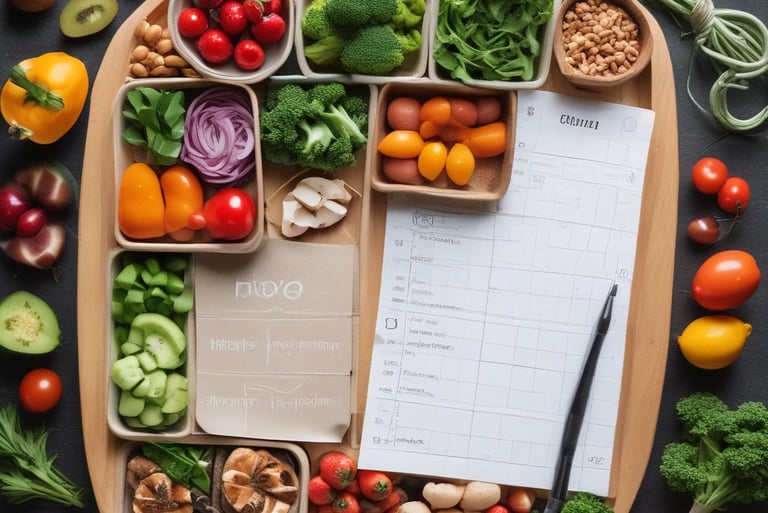
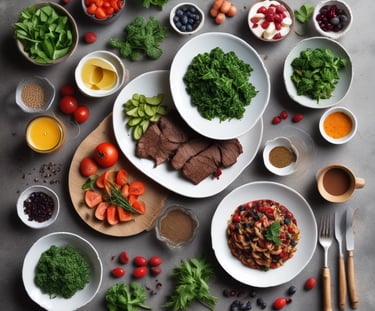
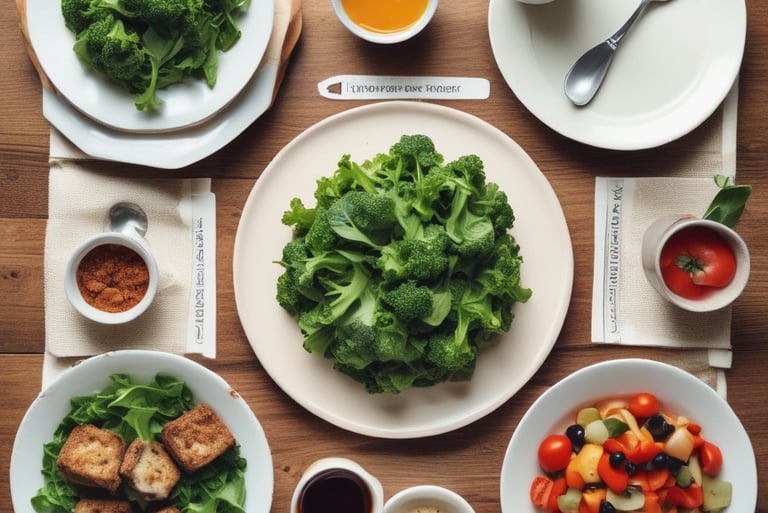
🗓️ Meal Planner
Plan Ahead by Mixing and Matching Your Meals
Healthy eating doesn’t have to be complicated — it just needs a little planning.
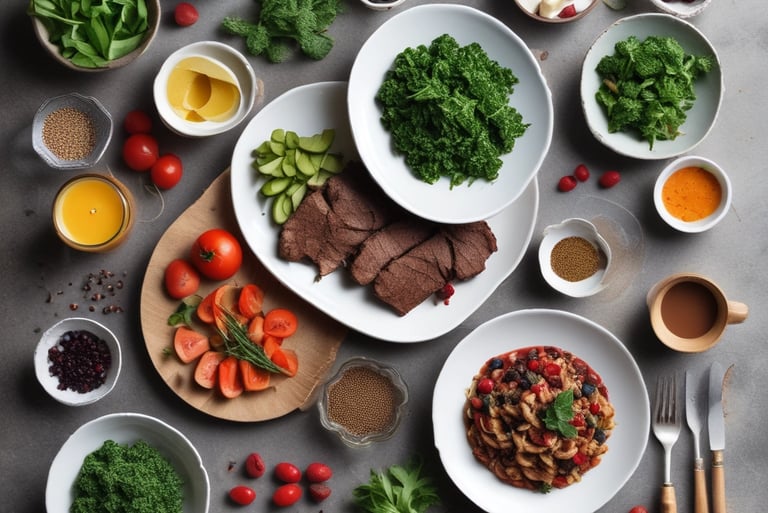
By preparing meals in advance and learning how to mix and match smartly, you can enjoy balanced nutrition, reduce stress, and stay consistent with your wellness goals.
This meal planner helps you bring order and creativity to your plate — combining the best of your “CALS AND UNDER” recipes for an effortless, nourishing week.
🌿 Why Planning Matters
Planning your meals ahead:
Saves time and energy during busy days
Prevents impulsive, less-healthy choices
Helps you balance nutrients across the week
Encourages mindful eating and portion awareness
When you plan, you eat with purpose — and that’s where sustainable health begins.
🍽️ Mix & Match Formula for the Week
DayBreakfastLunchDinnerSnack / DessertMondayVanilla Porridge (200 cal)Thai Beef Salad (200 cal)Lentil & Spinach Soup (170 cal)Summer Berry Pudding (180 cal)TuesdayBerry Smoothie (150 cal)Chicken Satay Rice Bowl (300 cal)Veggie Baked Eggs (230 cal)Lemony Eton Mess (200 cal)WednesdayGreen Glow Smoothie (180 cal)Chorizo & Bean Salad (350 cal)Beef Stifado (345 cal)Smartie Ice-Cream Sandwich (220 cal)ThursdayKefir Fruit & Bran Bowl (150 cal)Seafood Ratatouille (180 cal)Creamy Mustard Pork (250 cal)Tropical Sunshine Smoothie (190 cal)FridayBanana & Oat Energy Smoothie (200 cal)Easy Eggs with Bubble & Squeak (290 cal)Chicken Satay Rice Bowl (300 cal)Summer Berry Pudding (180 cal)WeekendMix your favoritesLight leftovers or saladsIndulgent but balanced mealsA mindful dessert or smoothie
💡 Tip: Rotate ingredients rather than entire recipes — for example, swap berries for mango, tofu for chicken, or spinach for kale. This keeps your meals fresh and exciting.
🥗 Smart Planning Tips
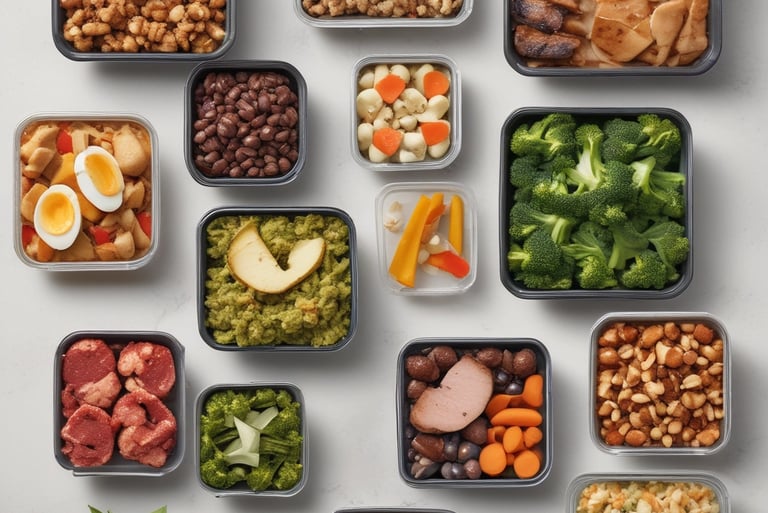
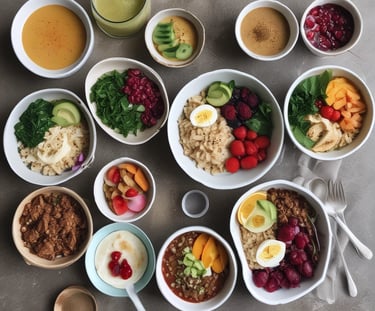
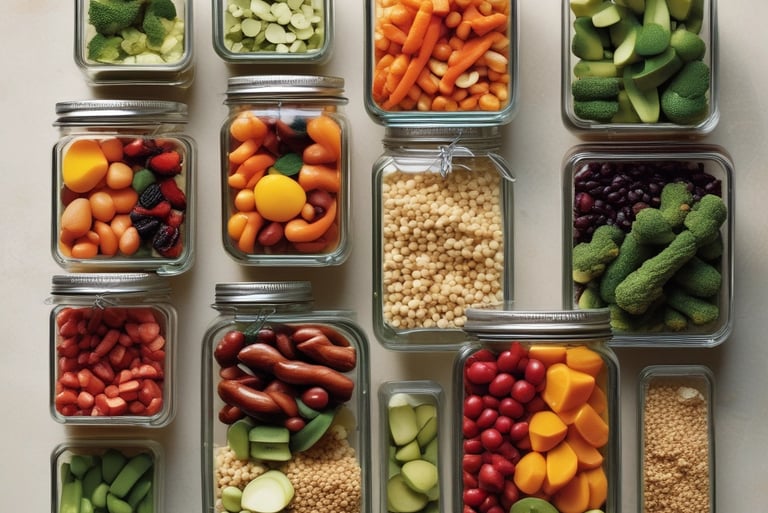
Batch cook grains, legumes, and roasted veggies — they’re versatile bases for multiple dishes.
Prep sauces and dressings in jars to save time and control portions.
Store meals in clear containers to stay visually organized and avoid waste.
Hydrate mindfully — add lemon, mint, or cucumber to your water for variety.
Leave room for joy — include one indulgent meal each week without guilt.
💛 Finding Balance
Meal planning isn’t about perfection — it’s about consistency and flexibility.
Some days you’ll follow the plan exactly; other days you’ll improvise. Both are fine.
The key is learning to listen to your body, nourish it with care, and enjoy every meal with gratitude.
“Plan with purpose, eat with presence, and live with balance.”
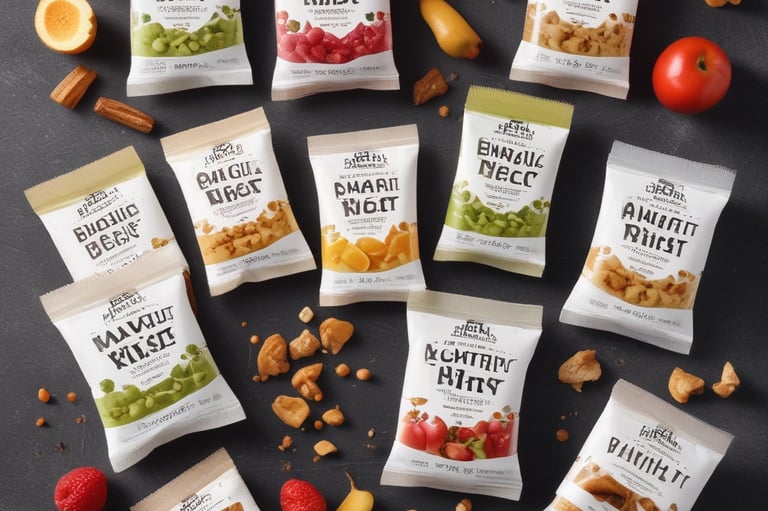
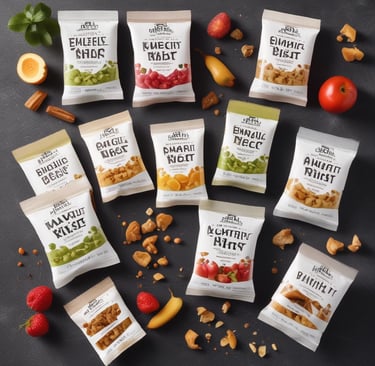
🍎 Little Extras
Smart Snacks to Keep You Satisfied Between Meals
Even when you’re eating light or following a fasting plan, it’s perfectly natural to feel a little hungry now and then.
The key isn’t to avoid snacking — it’s to choose smart, nourishing bites that support your energy and wellbeing.
These “little extras” are ideal when you need to make up your calorie allowance or simply bridge the gap between small meals — all while staying balanced, calm, and in control.
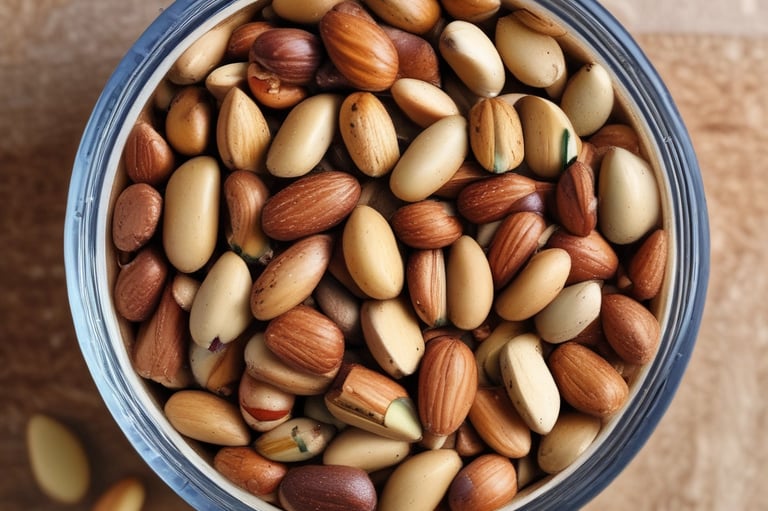
🥜 Nuts & Seeds Mix
Calories: ~100 per handful
What’s inside: Almonds, walnuts, sunflower seeds, pumpkin seeds.
Why it works:
A natural source of healthy fats, magnesium, and protein. They boost focus and keep you full longer.
💡 Tip: Pre-portion into small containers to avoid overeating.
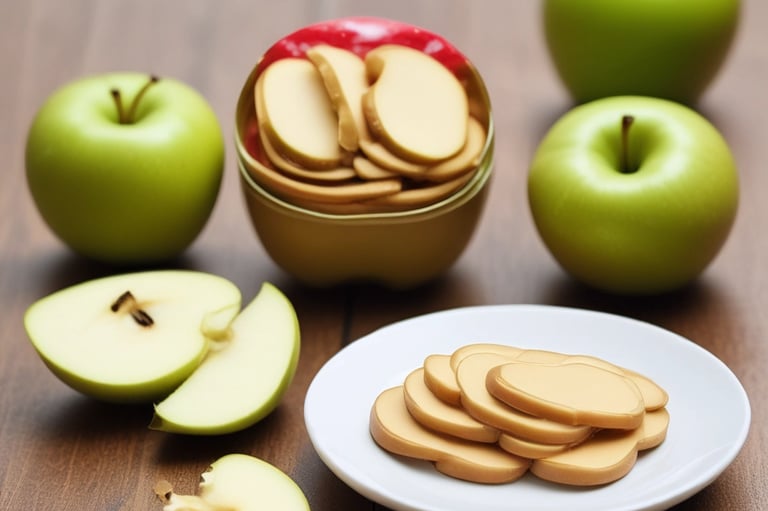
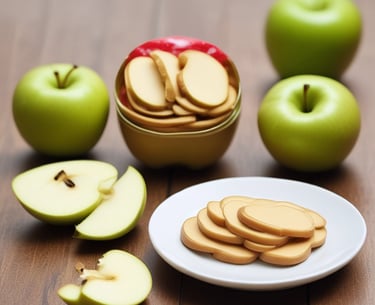
🍎 Apple Slices with Peanut Butter
Calories: ~150
Ingredients: 1 small apple + 1 teaspoon natural peanut butter.
Why it works:
A satisfying mix of sweetness and creaminess that balances blood sugar and provides slow-release energy.
💡 Tip: Swap apple for pear or banana when you crave something softer.
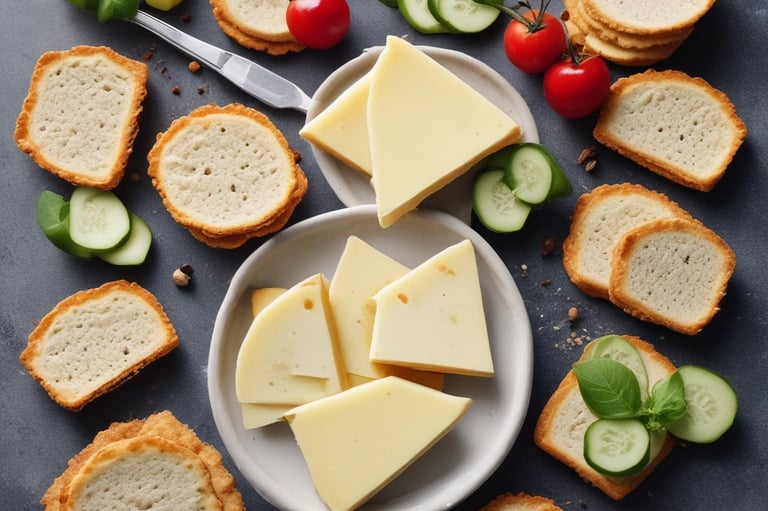
🧀 Cheese & Wholegrain Crackers
Calories: ~180
Ingredients: 1 slice of cheese (light brie, cheddar, or feta) + 3–4 wholegrain crackers.
Why it works:
Delivers calcium, protein, and crunch in one go. Great for an afternoon pick-me-up or post-workout snack.
💡 Tip: Add sliced cucumber or cherry tomatoes for extra freshness.
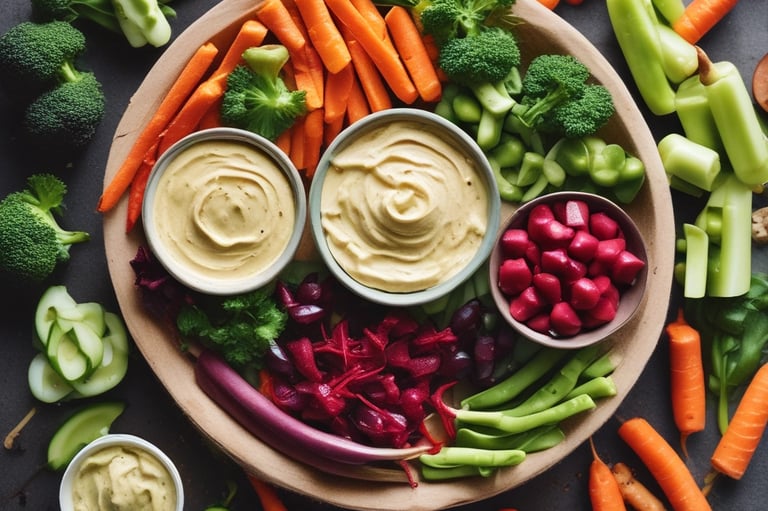
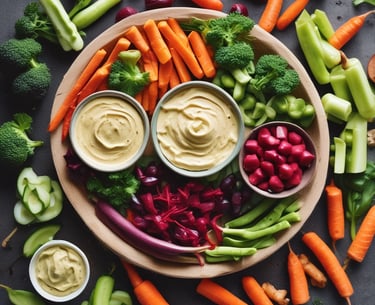
🥕 Veggie Sticks with Hummus
Calories: ~120
Ingredients: Carrots, celery, cucumber + 2 tablespoons hummus.
Why it works:
Fiber, hydration, and plant protein all in one bowl. A colorful and satisfying option that keeps cravings away.
💡 Tip: Try beetroot or edamame hummus for variety.
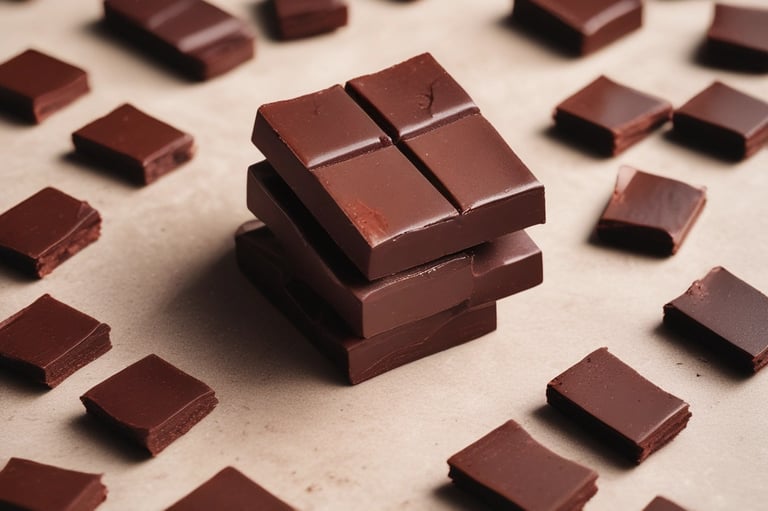
🍫 Dark Chocolate Squares
Calories: ~100 (2 squares, 70% cacao or higher)
Why it works:
A mindful treat that satisfies your sweet tooth while providing antioxidants and mood-boosting compounds.
💡 Tip: Let it melt slowly in your mouth — it’s about savoring, not snacking.
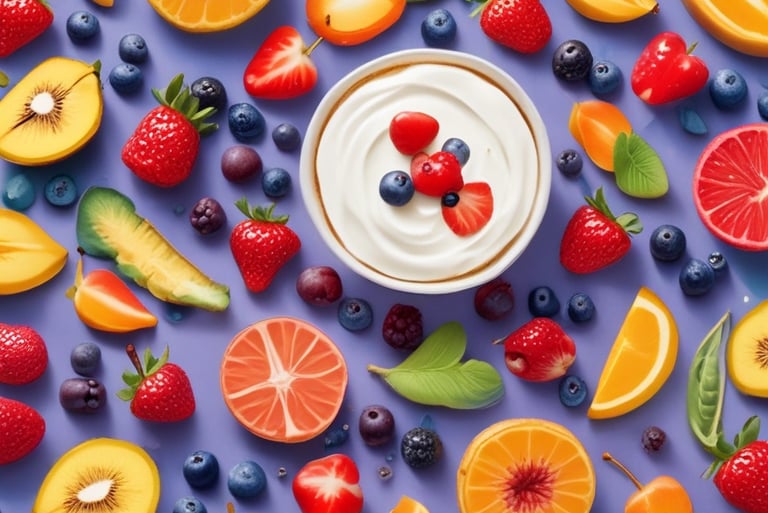
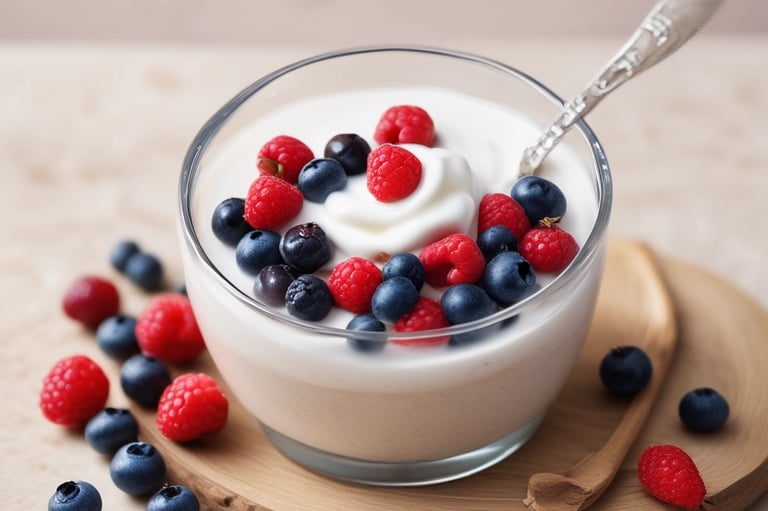
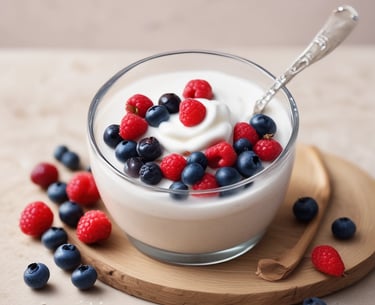
🍓 Greek Yogurt & Berries
Calories: ~140
Ingredients: ½ cup low-fat Greek yogurt + handful of berries.
Why it works:
Creamy, protein-rich, and refreshing — a perfect way to end your day or recharge after fasting.
💡 Tip: Add a pinch of cinnamon or chia seeds for texture.
🌿 Why Little Extras Matter
Healthy snacks aren’t indulgences — they’re part of listening to your body.
When chosen consciously, they:
Prevent energy dips and irritability
Support metabolism and focus
Encourage mindful, portion-aware eating
Your body thrives on nourishment, not restriction. Sometimes, a small extra is exactly what balance looks like.
✨ Final Thought
Snacks are not a weakness — they’re opportunities for care and connection.
Enjoy these little extras with intention, and they’ll keep your day flowing with calm energy and joy.
“Feed your body gently — it will reward you with steady strength.”
🔢 Calorie Counter
Your Guide to Everyday Foods and Their Energy Values
Knowledge is power — especially when it comes to nutrition.
Understanding the calorie content of everyday foods helps you adapt recipes, portion mindfully, and stay in control of your health goals.
Whether you’re following your “CALS AND UNDER” meal plan or simply making balanced choices, this calorie counter gives you a clear picture of what fuels your body.
🍞 Grains, Bread & Starches
FoodPortionCaloriesWholegrain bread1 slice (40g)90White rice, cooked½ cup (100g)130Brown rice, cooked½ cup (100g)110Quinoa, cooked½ cup (100g)120Oats½ cup (40g)150Pasta, cooked1 cup (150g)190Potato, boiled1 medium (150g)130Sweet potato, baked1 medium (150g)160
🥩 Proteins (Meat, Fish & Alternatives)
FoodPortionCaloriesChicken breast, grilled100g165Salmon, baked100g200Tuna, canned in water100g110Lean beef100g220Pork tenderloin100g190Eggs1 large70Tofu100g80Lentils, cooked½ cup (100g)115Chickpeas, cooked½ cup (100g)130Greek yogurt (plain, 2%)100g60
🥗 Vegetables & Legumes
FoodPortionCaloriesSpinach1 cup (30g)10Broccoli1 cup (90g)30Carrots1 medium25Bell pepper1 medium35Tomatoes1 medium22Zucchini1 medium30Onion1 medium40Mixed salad greens1 cup10
💡 Tip: Non-starchy vegetables are so low in calories you can enjoy generous portions — especially raw or lightly steamed.
🍎 Fruits
FoodPortionCaloriesApple1 medium95Banana1 medium105Orange1 medium60Berries (mixed)1 cup (120g)70Grapes1 cup (150g)100Mango½ cup (100g)65Kiwi1 fruit45Watermelon1 cup (150g)45
🧀 Dairy & Alternatives
FoodPortionCaloriesMilk (semi-skimmed)1 cup (240ml)100Almond milk (unsweetened)1 cup (240ml)30Yogurt (plain, low-fat)1 cup (245g)150Cheese (hard, e.g., cheddar)30g120Cottage cheese (low-fat)100g80
🥑 Fats, Oils & Nuts
FoodPortionCaloriesOlive oil1 tbsp120Butter1 tbsp100Avocado½ fruit (100g)160Almonds10 nuts70Walnuts10 halves90Chia seeds1 tbsp60Peanut butter1 tbsp90
💡 Tip: Fats are calorie-dense but vital for health. A teaspoon often goes further than you think!
🍫 Extras & Treats
FoodPortionCaloriesDark chocolate (70%)2 squares100Biscuit1 small60Ice cream½ cup (100g)130Honey1 tsp20Jam1 tbsp50Wine (red/white)1 glass (150ml)120Coffee with milk1 cup40
🌿 How to Use This List
Adjust your recipes: replace high-calorie ingredients with lighter alternatives.
Balance your day: combine low- and medium-calorie foods for variety.
Stay flexible: use this guide as support, not restriction — real balance includes pleasure.
“Awareness brings freedom — not rules, but understanding.”