Embrace natural wellness with HerbalVoice. Expert insights on herbal remedies, superfoods, and holistic health to help you boost immunity, find balance, and thrive. Your journey to vibrant, natural living starts here
Discover Propolis: A Natural Remedy for Immunity
Explore how propolis, a powerful bee product, can help reduce sick days naturally. Boost your immunity and fight off colds with this effective hive remedy. Learn more about the benefits of this natural remedy.
2/2/20267 min temps de lecture
# The Sticky Shield: Why Propolis is a Bee Product That Reduces Sick Days
Discover why Propolis is a bee product that reduces sick days naturally. Boost your immunity and fight off colds with this powerful hive remedy.
## Introduction ##
You know the feeling. It usually starts with a subtle tickle in the back of your throat, or maybe a sudden wave of fatigue that hits you around 3 PM. You try to ignore it, chugging water and hoping it’s just allergies, but deep down you know the truth: you’re getting sick. Again. It feels like you spend half your winter nursing a cough or blowing your nose, while the rest of the world is out there living their best lives. It’s frustrating, it’s exhausting, and frankly, it’s annoying. But what if there was a way to patch up your immune system’s weak spots before the bugs even breach the walls? While most people are busy chugging orange juice and popping zinc lozenges, there’s a lesser-known, resinous secret hiding in the hive. It’s not honey, and it’s not royal jelly. It is the unsung hero of the apothecary world. We are talking about propolis, a bee product that reduces sick days and might just be the missing link in your wellness routine.
# Nature’s Oldest Defense System ##
## What Exactly is This Sticky Stuff? ##
If you’ve ever seen a beehive, you probably noticed it looks incredibly busy and organized, but also a bit… sticky. That’s not just honey dripping everywhere; it’s propolis. Bees make this stuff by mixing their own saliva with beeswax and substances collected from tree buds, sap flows, and other botanical sources. Essentially, it’s a caulking agent. In the wild, bees use it to seal unwanted open spaces in the hive, smoothing out the internal walls to make them weatherproof and vibration-dampening. But think of it as the hive’s immune system. If a mouse or a large insect invades the hive and the bees can’t drag it out, they will encase the intruder in propolis, essentially mummifying it. This prevents the corpse from decomposing and spreading bacteria to the colony. It’s a potent antiseptic, a natural antibiotic, and a fungal killer all wrapped up in one sticky, brown package. Humans have caught onto this trick, using it for centuries, dating back to the ancient Greeks and Egyptians who used it for wound healing and embalming.
## From Tree Sap to Immune Powerhouse ##
It’s kind of wild to think that the same substance bees use to glue their furniture together is powerful enough to keep a human healthy through flu season. But here’s the thing: propolis is chemically complex. We’re talking over 300 different compounds in a single dollop. It varies based on the location of the hive and the types of trees nearby, but generally, it’s packed with polyphenols (specifically flavonoids), which act as antioxidants. These are the same good-for-you compounds found in green tea, fruits, and vegetables, but propolis takes the concentration to a whole new level. It’s nature’s version of a bio-hazard suit. When we ingest it, those compounds go to work modulating our immune response. It doesn't just "boost" immunity—which, if you think about it, can sometimes be a bad thing like a runaway engine—it helps regulate it. It calms inflammation when it gets out of hand and ramps up the production of antibodies when a threat is detected.
# The Science Behind the Shield ##
## Why It Actually Works ##
Let’s get down to brass tacks. Why is this specific bee product that reduces sick days so effective? It mostly comes down to two things: flavonoids and phenolic acids. These compounds have been studied extensively for their biological activities. Galangin, pinocembrin, and chrysin—the flavonoids found in propolis—have been shown to possess antibacterial, antiviral, and anti-inflammatory properties.
When a virus tries to hijack your cells, propolis steps in to interfere with the replication process. It’s like putting sugar in a gas tank; the virus simply can’t run properly. Furthermore, the anti-inflammatory properties are crucial. Most of what makes you feel terrible when you’re sick—the fever, the aches, the soreness—is actually your own immune system overreacting. Propolis helps dial down that cytokine storm, so you might get exposed to a bug, but your body handles it so gracefully you don't even realize you were "fighting" something off. You just keep going, feeling good, while your neighbors are calling in sick. That is the ultimate goal, right? Not necessarily to live in a bubble, but to have a body that is resilient enough to shake off the germs without knocking you off your feet for a week.
## The Gut Connection ##
Here is a fun fact that often gets overlooked: about 70% of your immune system lives in your gut. That’s right, your digestive tract is the front line of defense for your entire body. Propolis has been shown to have a positive impact on gut microbiota. It acts as a prebiotic of sorts, helping the good bacteria flourish while keeping the bad guys in check. If your gut is happy, your immune system is happy. It’s a symbiotic relationship. By taking propolis regularly, you aren't just taking a supplement; you are feeding the internal army that protects you every single day. It’s the difference between hiring security guards who fall asleep on the job and hiring a team that is constantly patrolling the perimeter.
# Putting It Into Practice ##
## How to Use It Without the Mess ##
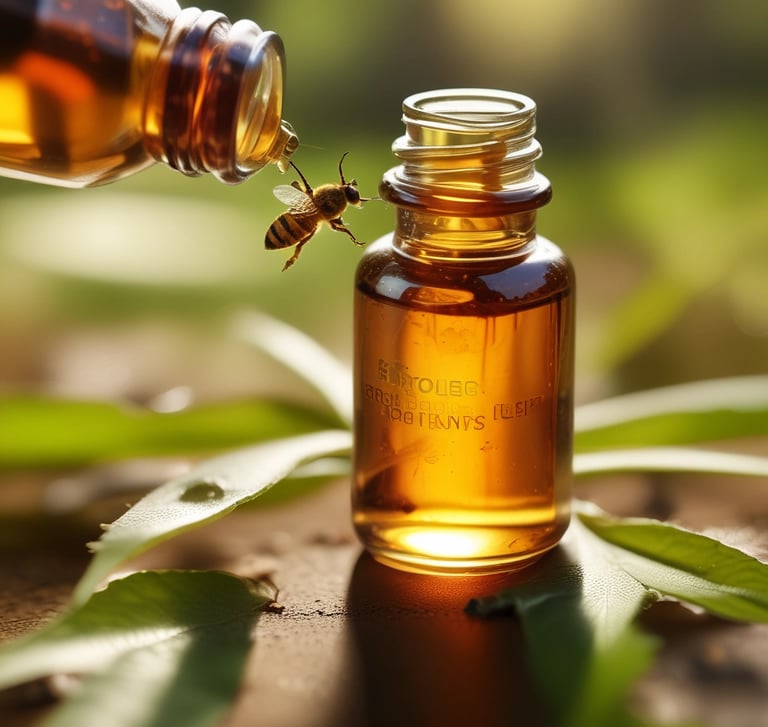
Now, I know what you’re thinking. "It’s bee glue. Do I have to chew on tree bark?" Thankfully, no. While raw propolis can be chewed (and it does have a weirdly pleasant, cinnamon-like flavor), there are much easier ways to get it into your system. The most common method is a tincture or liquid extract. You can drop a few droplets into a glass of water, juice, or even your morning tea. Just be warned: it doesn't dissolve in water. It will float there in little globules that look like tiny oil slicks. Down it quick, and chase it with something tasty.
If the taste isn't your vibe—and let’s be honest, it can taste like a pine tree fell into your mouth—capsules are a fantastic option. They are odorless, tasteless, and super convenient for people on the go. There are also throat sprays which are fantastic for the winter months. If you feel that tell-tale tickle in your throat, a few sprays of propolis can coat the area and kill whatever bacteria are trying to set up camp.
### Best Practices for Daily Use
If you want to make this a part of your routine, consistency is key. Here is a quick guide on how to integrate it:
* Morning Routine: Take a dropper-full or a capsule with breakfast. Getting it in early sets the tone for the day.
* Sick Season Protocol: If everyone around you at the office is coughing, double up on your dose. It’s generally safe to take higher amounts for short periods during acute illness.
* Throat Care: If you have a sore throat, use the spray directly. It creates a physical barrier and numbs the pain slightly.
## A Bee Product That Reduces Sick Days Naturally ##
It’s rare to find something natural that actually lives up to the hype. We are so used to marketing buzzwords that we’ve become cynical. But propolis is different because it has been used for millennia, not because of slick advertising, but because it works. By incorporating this hive-derived powerhouse into your daily regimen, you are essentially borrowing the bees' ancient wisdom to fortify your own health. You are less likely to catch the bug going around the office, and even if you do catch it, the duration and severity are likely to be much milder. That means fewer days burning through sick leave, more weekends spent hiking or playing with your kids, and generally feeling more like the superhuman you were meant to be.
# Safety First ##
## Is It Right for You? ##
Before you run out to the nearest health food store and buy the whole shelf, we need to have a quick safety chat. Just because it’s natural doesn't mean it’s safe for everyone. The biggest red flag is, unsurprisingly, bees. If you are allergic to honey, bee pollen, or have had a reaction to bee stings, you need to be extremely cautious with propolis. It can cause allergic reactions ranging from mild skin rashes to severe anaphylaxis in sensitive individuals.
If you have asthma, it’s also worth chatting with your doctor first, as some reports suggest it can aggravate the condition in rare cases. And, as with any supplement, if you are pregnant or breastfeeding, stick to the side of caution and ask your healthcare provider. It’s always better to be safe than sorry. However, for the vast majority of people, propolis is considered a safe, well-tolerated supplement that can be taken long-term without any adverse effects.
# FAQ #
Q: Does propolis really taste that bad?
A: It’s a subjective experience! Most people describe raw propolis as earthy, woody, or slightly bitter with a hint of vanilla or cinnamon. If you get a high-quality extract, the flavor is manageable in a shot of juice. If you are sensitive to strong flavors, stick to the capsules.
Q: Can I give propolis to my kids?
A: Generally, yes, in lower doses. Many parents swear by it to keep their kids healthy during the school year. However, always check the dosing instructions on the label and check with your pediatrician first, especially if your child has any other allergies.
Q: How long does it take to work?
A: It’s not an instant fix like a painkiller. Think of it more like insurance. You take it over time to build up your defenses. Most people report feeling a difference in their general resilience after about 2-4 weeks of consistent use.
Q: Is it better than Manuka honey?
A: They are different tools for different jobs. Manuka honey is fantastic for wound healing and digestive health due to its high methylglyoxal content. Propolis is better for immune support and fighting viral infections. They actually work great together!
Q: Can I take it alongside antibiotics?
A: In many cases, propolis can actually enhance the effectiveness of certain antibiotics. However, you must tell your doctor if you are taking it, as it can interact with how some medications are metabolized in the body.
# Conclusion ##
Life is too short to spend it sniffling under a blanket. We all have goals, dreams, and people to spend time with, and getting sick is just a massive speed bump. While we can’t bubble-wrap ourselves against every germ in the world, we can certainly arm our bodies better. Propolis is a testament to the intelligence of nature—a complex, protective substance created by some of the hardest workers on the planet. By adding this specific bee product that reduces sick days to your arsenal, you aren’t just taking a supplement; you are making a statement that your health matters. You are choosing resilience over fragility. So, next time you see those bees buzzing around the flowers, give them a little nod of respect. They’re making the glue that holds your health together.
Contact
Téléphone
healthyyyyplus@gmail.com
+33 612379219