Embrace natural wellness with HerbalVoice. Expert insights on herbal remedies, superfoods, and holistic health to help you boost immunity, find balance, and thrive. Your journey to vibrant, natural living starts here
Paleo for Life: Longevity Superfoods That Slow Aging and Boost Everyday Vitality
Discover how Paleo superfoods like lean meats, dark chocolate, veggies, and omega‑3 fish can slow aging, cut inflammation, and boost long‑term health.
12/20/20256 min temps de lecture
Introduction
Why a Paleo style can support longevity
Paleo longevity superfoods and how they work
Practical Paleo for Life meal strategies
Common myths and flexible Paleo living
FAQs
Conclusion
Introduction
“Paleo for Life” builds on Dr. Loren Cordain’s original Paleo Diet idea: eating in a way that mirrors our hunter‑gatherer ancestors so our biology and our food are finally on the same page.
New research on inflammation, metabolic health, and healthy aging suggests that a nutrient‑dense, lower‑processed, Paleo‑style pattern can improve weight, blood pressure, cholesterol, and inflammatory markers—factors that strongly influence how long and how well you live.
The book frames this as a practical longevity blueprint: focus on specific “superfoods” that protect your cells, calm chronic inflammation, and steady blood sugar, while dropping modern ultra‑processed foods that speed up biological wear‑and‑tear.
Why a Paleo style can support longevity
At its core, the Paleo Diet emphasizes lean meats, fish, seafood, eggs, vegetables, fruits, nuts, and some natural fats, while excluding grains, most dairy, legumes, industrial seed oils, and refined sugar.
Compared with a typical Western diet, trials show that Paleo‑style eating can lower body weight, waist circumference, triglycerides, blood pressure, and C‑reactive protein (CRP), while improving HDL (“good” cholesterol).
These shifts matter because excess fat around the middle, high blood sugar, and chronic low‑grade inflammation accelerate arterial damage, joint wear, and brain aging.
By loading up on fibre‑rich plants, omega‑3‑rich seafood, and minimally processed proteins, Paleo for Life aims to reduce oxidative stress and improve cellular resilience—two pillars of longer healthspan.
Paleo longevity superfoods and how they work
The book spotlights specific foods—not magic bullets, but heavy hitters—that seem to punch above their weight for healthy aging.
Red meat done the Paleo way
The authors argue that properly sourced red meat (lean cuts, ideally from grass‑fed or wild animals) supplies highly bioavailable protein, iron, zinc, B12, and creatine, all crucial for preserving muscle mass, brain function, and resilience with age.
They emphasize portion‑controlled, unprocessed meat within a plant‑rich pattern, noting that sarcopenia (age‑related muscle loss) and frailty are major drivers of late‑life disability and mortality, and adequate protein plus resistance training are key antidotes.
Dark chocolate and other polyphenol‑rich treats
High‑cocoa dark chocolate (70%+), berries, olives, extra‑virgin olive oil, coffee, and tea are loaded with polyphenols—plant compounds that help neutralize free radicals and dampen chronic inflammation.
Studies associate moderate dark‑chocolate intake with better vascular health and even longer lifespan, likely via improved endothelial function, lower blood pressure, and enhanced mitochondrial performance.
Colourful fruits and vegetables
Deeply coloured produce—like leafy greens, cruciferous vegetables, beets, carrots, squash, berries, and cherries—provides vitamins, minerals, fibre, carotenoids, and polyphenols that protect DNA, support detox pathways, and may slow telomere shortening.
Paleo for Life leans hard on non‑starchy veggies as the backbone of every plate, with fruit used strategically for antioxidants and natural sweetness rather than as unlimited sugar.
Omega‑3‑rich fish and seafood
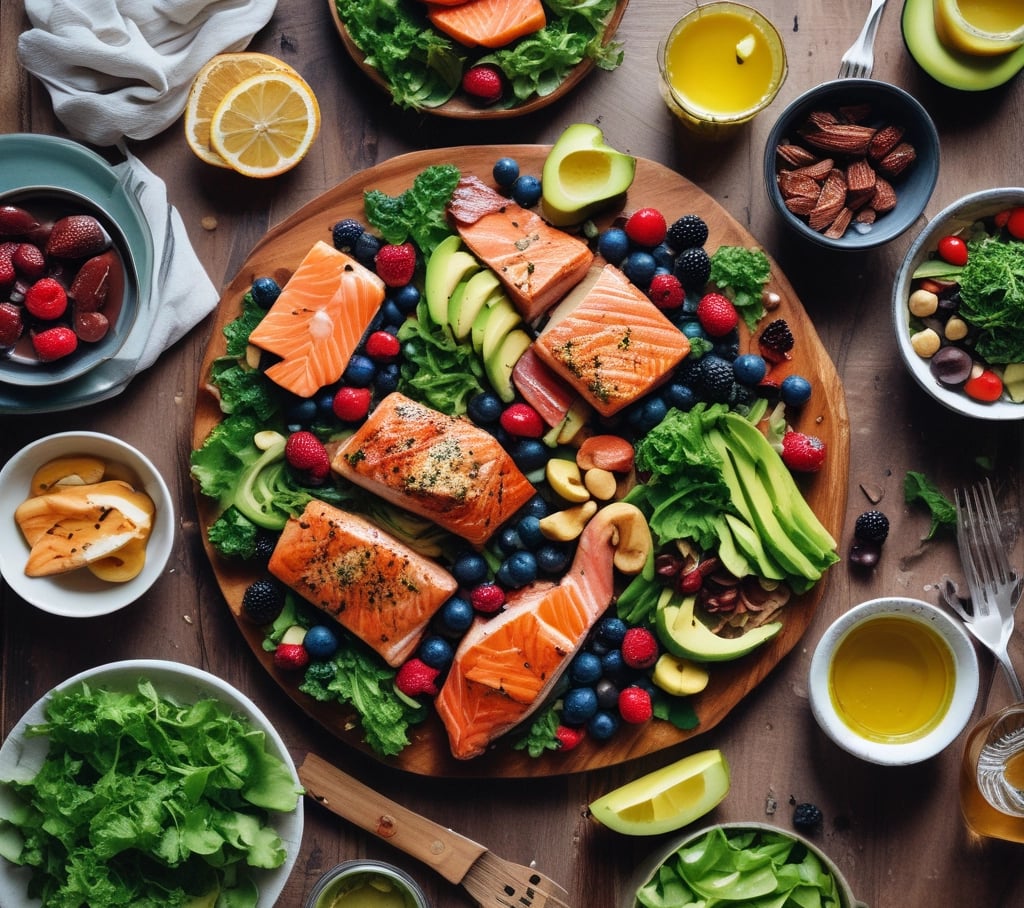
Wild fatty fish such as salmon, sardines, and mackerel supply long‑chain omega‑3s (EPA/DHA) that lower triglycerides, improve cell‑membrane flexibility, and support brain and eye health.
Adequate omega‑3 intake is linked to reduced cardiovascular events, better mood, and possibly slower cognitive decline—core goals for any longevity‑focused way of eating.
Nuts, seeds, and healthy fats
Walnuts, almonds, macadamias, and seeds supply unsaturated fats, magnesium, vitamin E, and fibre that improve insulin sensitivity and lower all‑cause mortality in large cohort studies.
Extra‑virgin olive oil and avocado oil provide monounsaturated fats and polyphenols that support heart health and may positively influence biological aging markers.
Fermented and high‑fibre Paleo‑friendly foods
While strict classic Paleo is light on fermented dairy and legumes, many modern, flexible versions include fermented vegetables, coconut yogurt, or small amounts of traditionally prepared legumes to nurture the gut microbiome.
A more diverse, fibre‑fed microbiome is linked to lower inflammation, improved immune balance, and better metabolic health—all big wins for healthy aging.
Practical Paleo for Life meal strategies
Paleo for Life doesn’t just preach “eat like a caveman”; it offers a two‑week plan and recipes that translate the science into doable daily habits.
Core strategies include:
Build your plate around vegetables first, then add a palm‑sized portion of protein (meat, fish, eggs) and a thumb or two of healthy fat (olive oil, avocado, nuts).
Swap refined carbs (white bread, pastries, sugary drinks) for root vegetables, fruit, and modest portions of Paleo‑friendly starches like sweet potatoes or winter squash.
Replace highly processed snacks with nuts, seeds, jerky, olives, cut‑up veggies, or a small square of dark chocolate to satisfy cravings without the sugar roller coaster.
Use herbs and spices—turmeric, rosemary, garlic, ginger—not just for flavour but for their antioxidant and anti‑inflammatory properties.
The authors also stress that you can adjust carb and fat levels for your goals: higher‑carb Paleo (more root veg and fruit) can suit active people, while lower‑carb versions may help those with insulin resistance or weight‑loss needs.
Common myths and flexible Paleo living
Critics often claim Paleo is just an excuse to eat piles of bacon and avoid all carbs, but research and more nuanced guidelines paint a different picture.
Key clarifications:
Paleo for Life promotes lean, minimally processed meats plus lots of plants, not unlimited fatty processed meats; in trials, Paleo often improved lipids and blood pressure rather than worsening them.
There’s no solid evidence that Paleo automatically beats other whole‑food patterns like the Mediterranean diet for long‑term outcomes, but it can be a powerful, sustainable option for people who enjoy its food list.
Calcium and some B‑vitamins can run low on poorly planned strict Paleo diets; the book addresses this by emphasizing bones, small fish with bones, leafy greens, and, in some cases, strategic supplementation.
Most importantly, the authors frame Paleo as a flexible template rather than a rigid religion: it’s okay to personalize, include occasional non‑Paleo foods that love you back, and keep social eating joyful.
FAQs
1. Is the Paleo Diet scientifically proven to extend lifespan?
There are no long‑term trials showing that Paleo specifically makes people live longer, but short‑ to medium‑term studies show better weight, blood pressure, lipids, and inflammation, all associated with longer healthspan.
2. Can Paleo for Life help reverse biological age?
No diet can literally turn back the clock, but nutrient‑dense, anti‑inflammatory patterns may improve biological age markers like blood pressure, metabolic health, and DNA‑damage indicators.
3. Isn’t red meat bad for longevity?
Evidence is mixed. Processed and heavily charred meats are clearly linked with higher risk, but moderate amounts of lean, minimally processed red meat in a plant‑rich pattern can fit into many longevity‑focused diets.
4. How does dark chocolate fit into a Paleo plan?
High‑cocoa dark chocolate (small portions, low sugar) delivers polyphenols that support vascular and brain health; the key is quality and moderation, not candy‑bar quantities.
5. What about grains and legumes—do they really have to go?
Classical Paleo excludes them due to antinutrients and blood‑sugar impact, but many people tolerate modest, minimally processed whole grains and legumes well, so a “Paleo‑leaning” approach can be more realistic.
6. Is Paleo for Life suitable for vegetarians or vegans?
A strict Paleo template is heavily animal‑protein based, so vegetarians and vegans would need thoughtful adaptations (more nuts, seeds, certain legumes, and possibly supplements) to cover protein, B12, iron, and omega‑3s.
7. Can I do Paleo if I have heart disease or high cholesterol?
Some studies show improved cardiovascular risk factors on Paleo, but individual responses vary; anyone with heart disease should work closely with a cardiology‑informed clinician to tailor fat and red‑meat intake.
8. How quickly will I feel different after switching to Paleo?
People often report better energy, less bloating, and more stable appetite within days to weeks, largely from cutting ultra‑processed foods and refined sugar, though weight and lab changes take longer.
9. Do I need special “Paleo” products to follow the plan?
No. The core of Paleo for Life is regular grocery‑store food—meat, fish, eggs, vegetables, fruits, nuts, and healthy fats—with fancy branded snacks seen as optional extras, not essentials.
10. Is this way of eating safe for everyone?
Most healthy adults can adopt a moderate Paleo‑style diet safely, but people with kidney disease, eating disorders, certain digestive conditions, or special nutrient needs should get personalized guidance first.
Conclusion
Paleo for Life reframes the Paleo Diet as a flexible, science‑aware longevity strategy built on superfoods like lean meats, dark chocolate, colourful plants, nuts, and omega‑3‑rich seafood.
Current evidence suggests this kind of nutrient‑dense, minimally processed pattern can improve weight, metabolic health, and inflammatory markers—powerful levers for living not just longer, but better.
If the Paleo approach appeals to you, start with simple swaps at your next grocery run, track how you feel and how your labs change, and tweak the template with a health professional so it supports your unique body for the long haul
Contact
Téléphone
healthyyyyplus@gmail.com
+33 612379219