Embrace natural wellness with HerbalVoice. Expert insights on herbal remedies, superfoods, and holistic health to help you boost immunity, find balance, and thrive. Your journey to vibrant, natural living starts here
Natural Alternatives to Antibiotics: Evidence‑Based Options, Gut Health, and Safety
Discover real natural alternatives to antibiotics, how they work, their limits, and ways to protect your gut and immunity safely.
12/20/20256 min temps de lecture
Introduction
Why people seek natural alternatives
How natural antimicrobials actually work
Evidence‑backed natural options (and their limits)
Gut health, antibiotics, and mental wellbeing
Safety tips before you “go natural”
FAQs
Conclusion
Introduction
Natural alternatives to antibiotics sound incredibly appealing—who wouldn’t rather sip herbal tea than swallow pills for an infection? Yet when it comes to real‑world infections, things are rarely that simple. Growing research suggests some plants and natural substances do have genuine antimicrobial effects, but they work differently from prescription drugs and are not always strong or reliable enough to replace them.
This article unpacks the science behind popular natural antimicrobials like honey, garlic, and oregano oil, explores how antibiotics impact your gut and mood, and offers grounded guidance on when “natural” support makes sense—and when you really do need medical treatment.
Why people seek natural alternatives
Many adults are worried about antibiotic resistance, side effects, and the feeling that antibiotics are handed out “like candy,” so they understandably start hunting for more natural tools. Overuse and misuse of antibiotics in healthcare and agriculture have indeed accelerated resistance, making some infections harder to treat.
At the same time, there’s growing awareness that antibiotics can disrupt the gut microbiome, which may influence digestion, immunity, and even mental health in some people.
People also turn to natural options because they want treatments that feel more holistic, support the immune system, and can be used at home for minor issues such as small cuts, mild sore throats, or simple colds.
How natural antimicrobials actually work
Plants produce phytochemicals—compounds like polyphenols, alkaloids, terpenes, and tannins—that help them fight off bacteria, fungi, and viruses in their own environment.
These same chemicals can inhibit bacterial growth, damage microbial cell walls, disrupt communication between microbes (quorum sensing), or weaken biofilms, the slimy shields that microbes build for protection.
Unlike many single‑target antibiotics, plant compounds often act on multiple pathways at once, which may make it harder for microbes to develop resistance, especially when several phytochemicals are combined.
However, most of the impressive results you hear about come from lab studies using concentrated extracts or purified compounds, not from sprinkling a bit of herb on your dinner plate.
Evidence‑backed natural options (and their limits)
Some natural remedies are reasonably well‑studied and can complement—not replace—medical care for certain mild infections or as supportive therapy.
1. Honey (especially medical and Manuka honey)
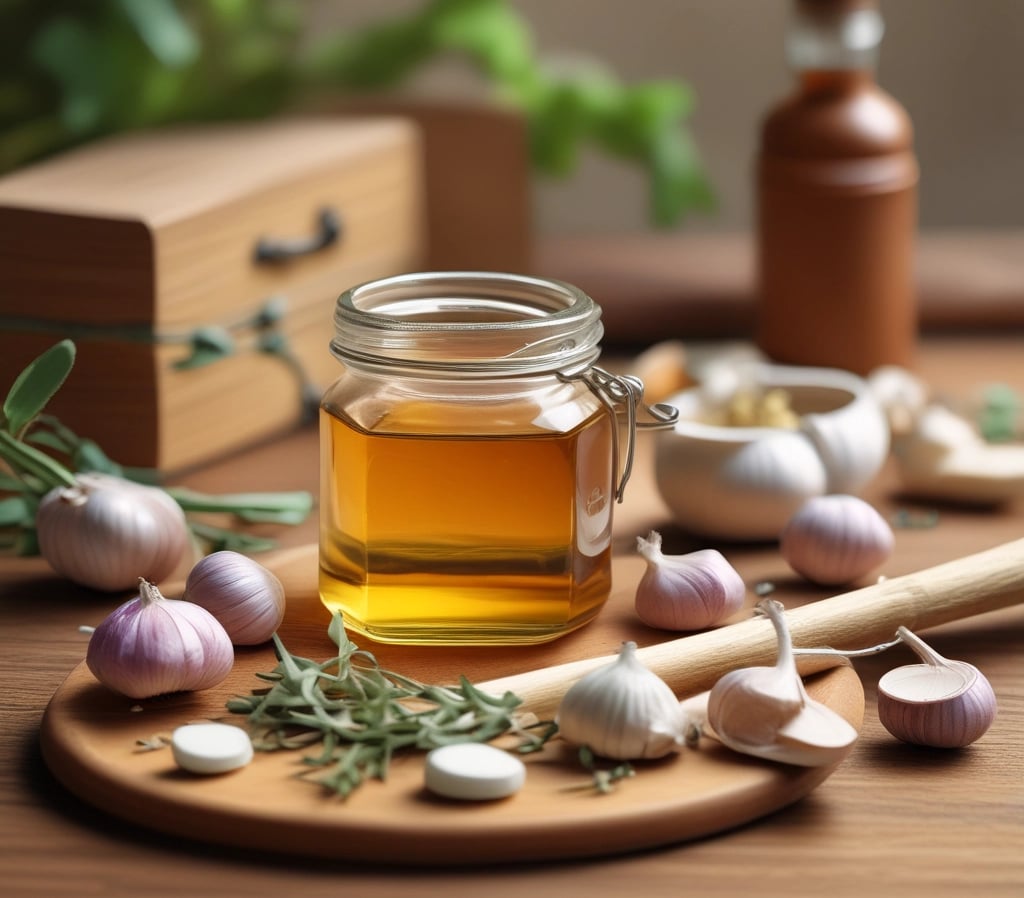
Honey has broad‑spectrum antibacterial effects thanks to hydrogen peroxide, acidity, high sugar content, and in Manuka honey, a compound called methylglyoxal.
Medical‑grade honey dressings can help wounds and burns heal and reduce infection risk, and are used in clinical settings.
For home use, clean honey may soothe sore throats and minor cuts, but it shouldn’t be applied to large, deep, or serious wounds without professional advice.
2. Garlic
Garlic contains sulfur compounds such as allicin that can inhibit a wide range of bacteria, including some resistant strains, in laboratory studies.
Regular dietary garlic may modestly support immune and cardiovascular health, but taking it instead of antibiotics for serious infections is risky and not supported by strong clinical trials.
3. Oregano and other essential oils
Oregano essential oil, rich in carvacrol and thymol, has shown strong antibacterial and antifungal activity in lab tests and food‑safety research.
Other oils, like thyme or clove, also demonstrate antimicrobial properties, though they’re mostly studied in vitro or in food systems rather than in humans with infections.
Essential oils are highly concentrated; ingesting them undiluted or using them on skin without proper dilution can cause burns, toxicity, or interactions. They’re best used cautiously and ideally under qualified guidance.
4. Wider range of plant‑based options
Reviews highlight many herbs and botanicals—like echinacea, cinnamon, black cumin seed, pomegranate peel, and calendula—as having promising antibacterial or immune‑modulating effects.
Evidence ranges from strong (topical calendula or medical honey for wound care) through moderate (echinacea for cold duration, oregano for foodborne bacteria) to very preliminary for others.
5. Where natural options fall short
Most natural substances have not been tested in large, well‑designed clinical trials for treating serious infections like pneumonia, sepsis, or meningitis.
Doses used in lab experiments are often far higher than what you can safely get from food or typical supplements, and bioavailability in the human body can be much lower.
Gut health, antibiotics, and mental wellbeing
Antibiotics can dramatically change the composition and diversity of gut bacteria, sometimes wiping out beneficial species along with harmful ones.
A growing body of animal and human research links such antibiotic‑induced “dysbiosis” to changes in mood, anxiety, and cognition via the microbiota–gut–brain axis.
Mechanisms may include reduced production of short‑chain fatty acids and neurotransmitters like serotonin and GABA, increased intestinal permeability, immune activation, and altered activity of the stress‑related hypothalamic–pituitary–adrenal axis.
However, these effects are variable and context‑dependent: not everyone experiences mood changes, and some antibiotics have even shown antidepressant or anti‑inflammatory effects in specific settings.
Supporting your gut during and after necessary antibiotic courses—through a fibre‑rich diet, fermented foods, and, where appropriate, evidence‑based probiotics—may help your microbiome bounce back.
Safety tips before you “go natural”
Natural doesn’t automatically mean gentle or safe, especially at high doses or in concentrated forms.
Key safety pointers:
Never delay emergency or serious infection treatment while experimenting with herbs or home remedies; infections can escalate quickly.
Talk with a doctor or pharmacist before using potent extracts or essential oils if you’re pregnant, breastfeeding, have chronic conditions, or take regular medication, because interactions are real.
Be wary of colloidal silver or extreme “detox” regimens marketed as antibiotic alternatives; silver ingestion, for example, lacks solid evidence and can cause permanent skin discoloration and organ damage.
Use topical products (honey dressings, calendula creams) as directed, and seek medical help if a wound is deep, very painful, or not healing.
FAQs
1. Can natural remedies completely replace prescription antibiotics?
No. For serious bacterial infections like pneumonia, kidney infections, or sepsis, prescription antibiotics remain essential and lifesaving; natural remedies should only play a complementary role.
2. Are “natural antibiotics” safe for children?
Some foods like garlic and honey (over age one) are generally safe in normal dietary amounts, but concentrated oils, tinctures, or strong supplements may not be appropriate without paediatric guidance.
3. Is Manuka honey really better than regular honey?
Manuka honey contains higher levels of methylglyoxal and often shows stronger antimicrobial activity in lab and clinical wound‑care research, but both types of honey can have useful antibacterial effects.
4. Can taking probiotics prevent all antibiotic side effects?
Probiotics may reduce the risk of antibiotic‑associated diarrhoea and help microbiome recovery, but they don’t fully prevent all side effects and aren’t a licence to overuse antibiotics.
5. Do essential oils kill viruses as well as bacteria?
Some essential oils show antiviral activity in lab studies, but clinical evidence in humans is limited, and they should not be relied on as sole treatments for viral infections.
6. How can I support my immune system naturally?
Focus on sleep, a minimally processed diet rich in plants, regular movement, stress management, and not smoking; herbs and supplements can be “add‑ons” rather than the foundation.
7. Are natural options useful for everyday minor issues?
Yes, for minor self‑limiting problems, things like honey for coughs, saline rinses, herbal teas, or topical calendula may provide comfort and support while your body heals.
8. How do I know if an infection is too serious for home treatment?
Seek urgent care if you have high fever, rapidly spreading redness, difficulty breathing, chest pain, confusion, severe pain, or symptoms that worsen instead of improve over a couple of days.
9. Can long‑term use of herbal antimicrobials cause resistance like antibiotics?
Resistance to plant compounds appears less common, likely because they act on multiple targets, but overuse of any antimicrobial—including natural ones—should still be avoided.
10. Should I stop antibiotics early if I start feeling better and switch to natural remedies?
No. Stopping antibiotics too soon raises the risk that some bacteria survive and become resistant; always finish your prescribed course unless your clinician tells you otherwise.
Conclusion
Natural alternatives to antibiotics can absolutely play a role in modern health—especially for prevention, minor issues, and as supportive partners to standard treatment—but they’re not magic bullets.
The most realistic approach is a both‑and mindset: protect antibiotics by using them wisely when they’re truly needed, while also embracing evidence‑backed natural strategies that support your immune system and microbiome day to day.
If you’re curious about trying specific herbs, honeys, or oils, start small, treat them with the same respect you’d give a medicine, and check in with a qualified professional—then build sustainable habits like better sleep and nutrition that quietly do the heavy lifting over time.
Contact
Téléphone
healthyyyyplus@gmail.com
+33 612379219