Embrace natural wellness with HerbalVoice. Expert insights on herbal remedies, superfoods, and holistic health to help you boost immunity, find balance, and thrive. Your journey to vibrant, natural living starts here
Healthy Eating for Healthy Life: The Everyday Guide to Food That Loves You Back
Enjoy more energy, better health, and less stress around food with this practical guide to Healthy Eating for Healthy Life—benefits, real‑world tips, and myth‑busting included.
12/3/20258 min temps de lecture
Healthy Eating for Healthy Life: The Everyday Guide to Food That Loves You Back
Enjoy more energy, better health, and less stress around food with this practical guide to Healthy Eating for Healthy Life—benefits, real‑world tips, and myth‑busting included.
Introduction
If your body were a car, food would be the fuel—but also the oil, the brake fluid, and all the little parts that keep the engine humming. Healthy eating isn’t just about shrinking your waistline; it’s about building a life where you wake up with more energy, fewer aches, and a mind that actually wants to cooperate. In other words, Healthy Eating for Healthy Life is really about designing a way of eating that supports the life you want, not the other way around.
However, in a world stuffed with fad diets and miracle detox teas, good advice can feel like a needle in a haystack. One minute carbs are evil; the next minute fat is the villain. This article cuts through the noise with a clear, conversational roadmap: what healthy eating is, why it matters, how to do it realistically, and which myths you can happily toss in the bin.
Why Healthy Eating Matters
Healthy eating is like long‑term insurance for your body and brain. A diet rich in whole foods—think vegetables, fruits, whole grains, beans, nuts, seeds, and lean proteins—is strongly linked with lower risk of heart disease, type 2 diabetes, stroke, and several cancers. It also supports stronger bones, better immunity, healthier digestion, and more stable weight over time.
But the benefits aren’t just about distant, future‑you. Many people notice more even energy, fewer afternoon crashes, better sleep, and even improved mood when they consistently eat balanced meals. Food influences blood sugar, hormones, the gut microbiome, and inflammation, so it’s no surprise that what’s on your plate shows up in how you feel, think, and move each day.
What a Healthy Diet Really Looks Like
A healthy diet isn’t a strict rulebook; it’s more like a flexible template. At its core, it usually includes:
Plenty of vegetables and fruits in many colours.
Whole grains and high‑fibre starchy foods.
A variety of protein sources (plant and/or animal).
Mostly unsaturated fats instead of a lot of saturated and trans fats.
Limited added sugars, ultra‑processed foods, and excessive salt.
Different patterns fit this description: Mediterranean, DASH, plant‑forward, flexitarian, and more. What they share is a heavy emphasis on minimally processed plant foods, modest amounts of high‑quality fats and proteins, and very few highly refined, sugary, or deep‑fried items. That’s the beating heart of Healthy Eating for Healthy Life—plenty of real food, not a list of forbidden ingredients.
Healthy Eating for Healthy Life in Everyday Meals
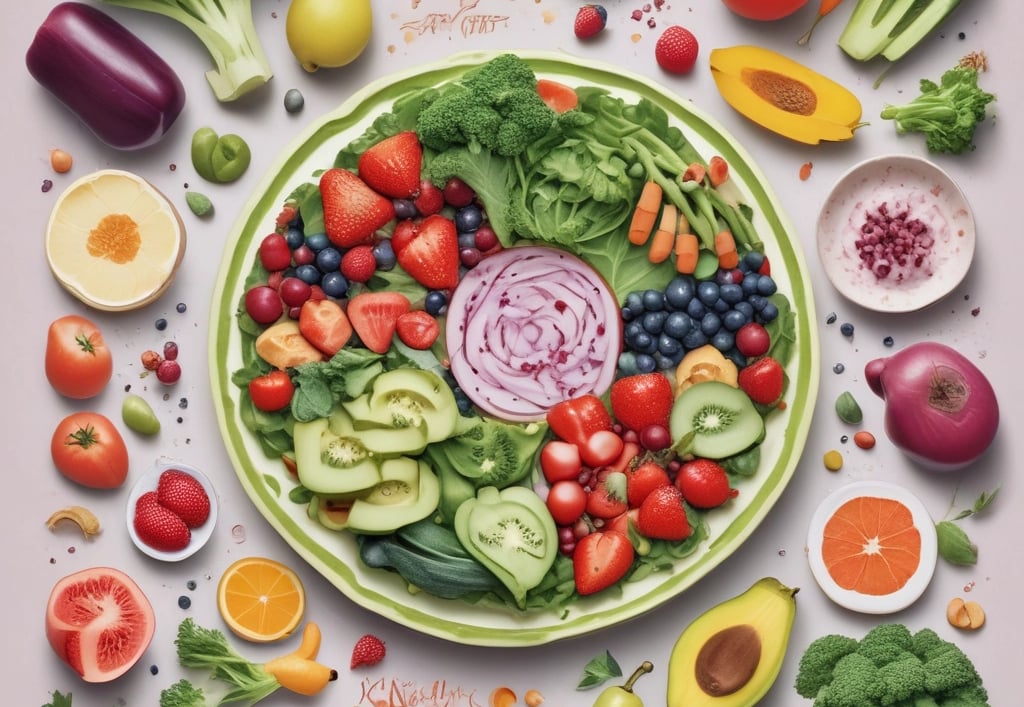
So what does this look like on an actual plate, not a nutrition poster? A handy rule of thumb is the “balanced plate” method:
About half your plate: vegetables and some fruit.
About a quarter: whole grains or starchy foods (brown rice, oats, whole‑grain pasta, potatoes with skin).
The final quarter: protein such as beans, lentils, tofu, fish, eggs, or lean meat.
Add a source of healthy fat—olive oil, avocado, nuts, or seeds—and you’ve got a meal that’s satisfying, nutrient‑dense, and kind to blood sugar. You can bend this blueprint around almost any cuisine: stir‑fried veggies with tofu and brown rice, a chickpea curry with whole‑grain flatbread, salmon with roasted veg and quinoa, or a big salad loaded with beans, seeds, and whole‑grain croutons.
Practical Tips to Eat Well (Without Losing Your Mind)
Let’s be honest: most people don’t fail for lack of nutrition knowledge; they struggle because life is busy and food is emotional. So here are practical, real‑world strategies that make Healthy Eating for Healthy Life feel doable instead of daunting:
1. Make Healthy the Default, Not the Exception
Instead of relying on willpower at 7 p.m., set up your environment:
Keep fruit visible on the counter and pre‑washed veg at eye level in the fridge.
Store crisps, sweets, and other “sometimes foods” out of sight or in smaller portions.
Batch‑cook grains and beans once or twice a week so you’re half a step from a proper meal.
When your kitchen nudges you toward better choices, you don’t have to “be good” all the time—the path of least resistance becomes the healthy one.
2. Build “Good Enough” Meals
Perfection is overrated and usually the first step to giving up. Instead, think “good enough” balanced meals:
A wrap with hummus, leftover chicken, and salad mix.
An omelette with frozen veg and a slice of whole‑grain toast.
Tinned beans tossed with microwaved frozen veg, olive oil, and herbs over rice.
They’re not Instagram‑worthy, but they tick the boxes that matter: protein, fibre, colour, and healthy fats.
3. Snack With Intention
Snacks aren’t the enemy; chaotic snacking is. To keep your energy steady:
Pair a source of protein or healthy fat with fibre:
Apple + peanut butter
Greek yoghurt + berries
Carrot sticks + hummus
Nuts + a small piece of fruit
Portion snacks onto a plate instead of eating from the bag.
Ask, “Am I hungry, or just bored/stressed/tired?” and respond accordingly.
4. Hydrate Like It Matters (Because It Does)
Dehydration can masquerade as hunger and fatigue. Aim to sip water steadily through the day, not chug a litre at night. Herbal teas, sparkling water with lemon, or diluted fruit juice can keep things interesting without adding much sugar. If plain water feels dull, think of it as the quiet friend who always shows up when you need them.
5. Plan, But Don’t Over‑Plan
Going from zero structure to full meal‑prep warrior is a fast track to burnout. Instead:
Sketch a simple weekly plan: 3–4 dinners you’ll cook, plus ideas for lunches.
Keep a short list of “panic button” meals you can make in 10–15 minutes.
Accept that some nights will be toast and scrambled eggs—and that’s fine.
Challenges People Face—And How to Tackle Them
Even with the best intentions, life throws curveballs. Here’s how to handle the most common roadblocks.
“Healthy Food Is Too Expensive”
It can be, but it doesn’t have to be. To keep costs down:
Rotate more budget‑friendly proteins like beans, lentils, eggs, and tinned fish.
Choose frozen vegetables and fruits; they’re often cheaper and just as nutritious.
Buy whole grains (rice, oats) in bulk and build meals around them.
Plan to use leftovers and avoid food waste—that’s money straight into the bin.
Often, the real budget drain isn’t fresh produce; it’s frequent takeaways, fancy coffees, and impulse snacks.
“I Don’t Have Time to Cook”
Time is tight, but some of the issue is expectations. You don’t need a restaurant‑level meal every night:
Use shortcuts: pre‑washed salad, frozen veg, ready‑cooked grains.
Cook once, eat twice: double recipes and freeze portions.
Embrace one‑pan or sheet‑pan meals where everything cooks together.
Think of cooking not as a chore but as a life skill that pays you back in better health, fewer medical bills, and more control over what you’re eating.
“I Always Fall Off the Wagon”
That “wagon” mentality is the problem. In Healthy Eating for Healthy Life, there is no wagon—just another meal coming up:
Instead of “I blew it,” try “That was one meal; what’s the next best choice?”
Let treats be treats, not triggers for a free‑for‑all.
Track progress in how you feel (energy, digestion, mood), not just the scale.
Once you ditch the all‑or‑nothing mindset, healthy eating feels more like a flexible routine and less like a tightrope.
Busting the Biggest Healthy Eating Myths
Nutrition myths are a dime a dozen. Here are some of the loudest—and why they don’t hold water.
Myth 1: “Carbs Are Always Bad”
Carbohydrates are a broad category, and demonising them all is like judging every book by one terrible movie adaptation. Whole grains, beans, fruit, and starchy veg provide fibre, vitamins, and steady energy. The real troublemakers are ultra‑refined carbs and sugary drinks. Instead of cutting all carbs, focus on upgrading them: swap white bread for whole‑grain, sugary cereal for oats, and fizzy drinks for water or unsweetened drinks.
Myth 2: “Healthy Eating Means Giving Up All Your Favourite Foods”
If your approach requires you to swear off everything you love forever, it’s not a lifestyle; it’s a countdown. A sustainable pattern leaves room for pizza, cake, or crisps in reasonable portions. The trick is context: a burger surrounded by a week of balanced meals is very different from a burger surrounded by more fast food. Think “mostly nourishing, sometimes nostalgic.”
Myth 3: “You Must Follow a Specific Named Diet”
Mediterranean, keto, paleo, vegan, intermittent fasting—geez, it’s a lot. While some patterns have strong evidence behind them, none is mandatory for good health. What matters is the pattern: plenty of plants, sensible portions, minimal ultra‑processed foods. You can build Healthy Eating for Healthy Life out of many cultural traditions and food preferences without adopting a branded plan.
Myth 4: “Supplements Can Replace a Healthy Diet”
Supplements have their place, especially when there’s a diagnosed deficiency or specific medical need. But they can’t copy the complex mix of fibre, phytochemicals, and nutrients found in whole foods. Pills are a backup singer, not the lead vocal. Food first; supplements only when needed and ideally with professional guidance.
FAQ: Healthy Eating for Healthy Life
Q: How many servings of fruits and vegetables should I eat each day?
Most guidelines suggest aiming for at least five portions a day, with a mix of colours and types. If that feels like a leap, start with adding one extra serving and build from there.
Q: Do I have to count calories to eat healthily?
Not necessarily. Many people do well by focusing on food quality and portion awareness instead of meticulous counting. If you fill most of your plate with vegetables, whole grains, and lean protein, your overall intake often falls into a reasonable range naturally.
Q: Is it better to eat three big meals or several small ones?
It depends on your body and schedule. Some people feel great with three solid meals; others prefer three meals plus a snack or two. The key is consistency and choosing balanced options that keep you satisfied rather than grazing on sugary or ultra‑processed foods all day.
Q: Can I eat healthy on a very busy schedule?
Yes, but it takes a little planning. Quick options—like yoghurt with fruit, sandwiches on whole‑grain bread, frozen veg stir‑fries, and bean‑based soups—can be thrown together in minutes. Think “simple but balanced” instead of “perfect and elaborate.”
Q: How quickly will I notice results if I change my eating habits?
Some people feel more energetic and less bloated within days or weeks. Bigger changes, like improved lab results or weight shifts, usually take longer. The real magic happens when healthier choices become your new normal rather than a short‑term sprint.
Conclusion
Healthy eating doesn’t have to be joyless, complicated, or reserved for people with endless time and money. At its core, Healthy Eating for Healthy Life is about choosing foods that love you back—most of the time—while still leaving space for pleasure, culture, and spontaneity. When your plate leans heavily on colourful plants, whole grains, lean proteins, and healthy fats, you create a foundation for better energy, stronger health, and more resilient mood.
You don’t need to overhaul everything overnight. Start small: add a vegetable to one meal, swap one sugary drink for water, cook at home one extra night this week. Those tiny shifts may seem trivial, but over months and years, they quietly rewrite your story—one bite, one meal, one day at a time.
Contact
Téléphone
healthyyyyplus@gmail.com
+33 612379219