Embrace natural wellness with HerbalVoice. Expert insights on herbal remedies, superfoods, and holistic health to help you boost immunity, find balance, and thrive. Your journey to vibrant, natural living starts here
The ABC of Blood Transfusion: What Really Happens When You Get “New Fuel”
Scared of blood transfusions? Break it down to the simple A‑B‑C: when you need one, how matching works, and how doctors keep it safe from start to finish.
12/3/20255 min temps de lecture
The ABC of Blood Transfusion
Introduction
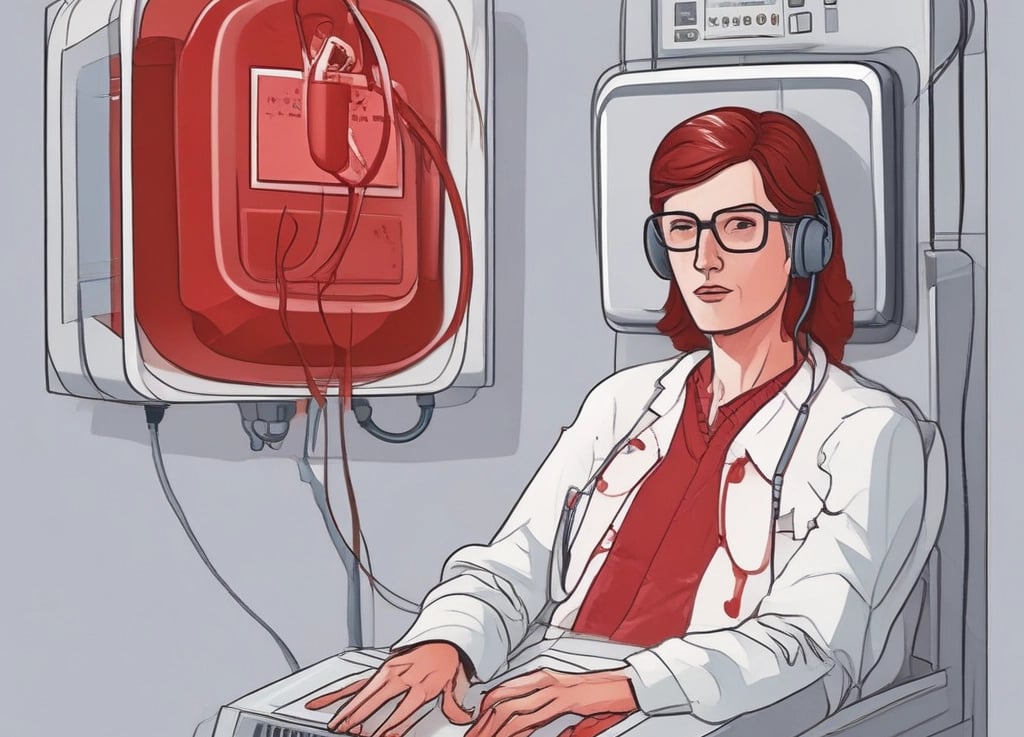
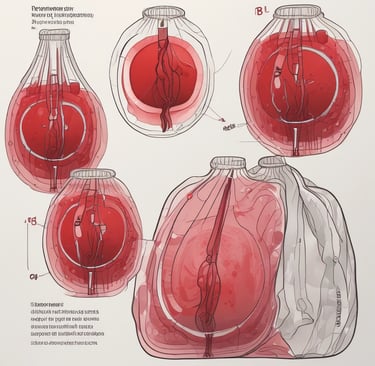
Hearing “you might need a blood transfusion” can feel scary. Images of big bags of red liquid and beeping monitors aren’t exactly comforting. But if you strip away the medical jargon, a transfusion is simply your body getting a carefully matched top‑up of the stuff it already runs on.
To make it much less intimidating, think of every transfusion in three basic steps: A – Assess, B – Blood match, and C – Care & Check. Once you understand this little alphabet, the whole process starts to feel a lot more logical and a lot less like a mystery.
A – Assess: Do You Really Need More Blood?
Before anyone even thinks about hanging a blood bag, the team asks a blunt question: “Is a transfusion truly necessary?”
Doctors look at things like:
How low your hemoglobin is.
Whether you’re actively bleeding or just mildly anemic.
Your symptoms: shortness of breath, chest pain, dizziness, or extreme fatigue.
In big emergencies (major trauma, surgery complications, childbirth hemorrhage), teams follow strict hospital protocols that spell out when to start rapid transfusion and which components to use (red cells, plasma, platelets, sometimes fibrinogen products).
In calmer situations, they’ll often try alternatives first: iron therapy, medications that help your body make more red blood cells, or simply waiting if your levels are only slightly low. A transfusion is powerful medicine, so “A” is all about avoiding it when you don’t truly need it, and not delaying it when you clearly do.
B – Blood Match: Finding the Right “Fuel Type”
Once the decision is made, it’s time for B – Blood. This is where lab science quietly saves your life.
Blood groups 101
You’ve probably heard of A, B, AB, and O, plus the little Rh+ or Rh‑ sign. That’s your basic blood type. In a nutshell:
Your red cells either have A markers, B markers, both (AB), or none (O).
Rh is another marker; you either have it (+) or you don’t (‑).
Your immune system treats unfamiliar markers like intruders. So if you’re type O and someone gives you type A blood, your body can attack those red cells—this is why matching is non‑negotiable.
Cross‑matching: The “dress rehearsal”
Before transfusing, the lab doesn’t just check your blood type; they do a cross‑match—they literally mix a tiny sample of your blood with the donor blood to see if anything clumps or reacts. If it’s calm in the test tube, it’s far more likely to be calm in your veins.
In emergencies—like heavy trauma—doctors may briefly use universal donor blood (usually type O) until your exact group is confirmed, then switch to fully matched products once the lab catches up.
C – Care & Check: Keeping You Safe During and After
Bag is ready, line is in—now we’re at C – Care & Check. This is the part most people actually experience.
Before the drip starts
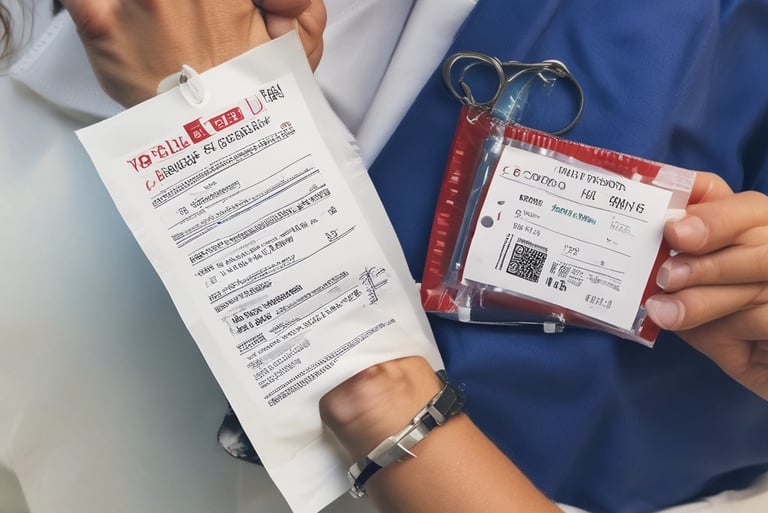
Nurses double‑ and triple‑check:
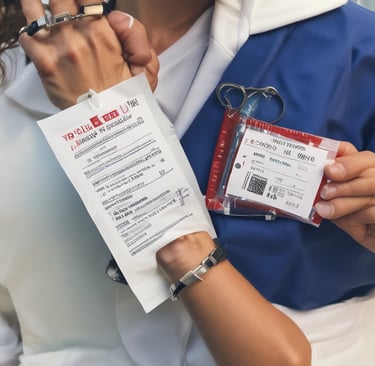
Your identity (wristband, name, date of birth).
The blood bag label (right person, right blood type, right unit, not expired).
The order from the doctor: what product, how much, how fast.
Only when everything matches do they hook you up.
While the blood is running
The first 15 minutes are treated like the “test drive.” Staff will:
Stay close.
Check your pulse, blood pressure, breathing, and temperature.
Ask how you feel—any itching, chills, chest tightness, anxiety, or pain.
Most transfusions go completely smoothly. But if your immune system doesn’t like what it sees, early warning signs usually show up here. That’s why this monitoring is taken so seriously.
After the transfusion
Once the bag is empty, the team keeps an eye on you for a while:
Are you breathing easier?
Has your color improved?
Are your vitals stable?
If you needed a lot of blood (for example after major bleeding), they may also check lab results to be sure your clotting system, electrolytes, and temperature are back in a safe range.
Conclusion
When you zoom out, a blood transfusion isn’t just “hanging a bag.” It’s a carefully choreographed A‑B‑C process:
A – Assess whether you truly need it.
B – Blood match the right type and component.
C – Care & Check you before, during, and after the drip.
Understanding that flow doesn’t just make the whole idea less frightening—it also shows how much hidden work goes into making transfusions as safe and effective as possible.
Frequently Asked Questions (FAQ)
Is donating blood safe for the donor?
Yes. Only a small amount (usually about 450–500 ml) is taken, with single‑use sterile equipment. Your body replaces the plasma within a day or two and red cells over several weeks.
Can I get infections from a transfusion?
Modern screening makes the risk extremely low. Donated blood is rigorously tested for major infections (like HIV and hepatitis) and discarded if anything looks suspicious.
Why do they sometimes transfuse plasma or platelets instead of red cells?
Red cells carry oxygen. Plasma contains clotting factors that stop bleeding, and platelets are the “plug” that forms clots. In big bleeds, all three may be needed in specific ratios to restore both volume and clotting ability.
How long does a transfusion take?
A single unit of red blood cells usually runs over 1.5–3 hours in a stable patient, faster in emergencies if life‑saving volume is needed quickly.







Contact
Téléphone
healthyyyyplus@gmail.com
+33 612379219