Embrace natural wellness with HerbalVoice. Expert insights on herbal remedies, superfoods, and holistic health to help you boost immunity, find balance, and thrive. Your journey to vibrant, natural living starts here
The Doomscrolling Trap: Why Your Phone Is the Ultimate Enemy of Sleep
Can't sleep? It’s not just the blue light. Discover how "doomscrolling" and gaming trigger cortisol spikes that trick your brain into thinking it's in danger, keeping you awake and anxious.
12/2/20254 min temps de lecture
The Doomscrolling Trap: Why Your Phone Is the Ultimate Enemy of Sleep
Introduction
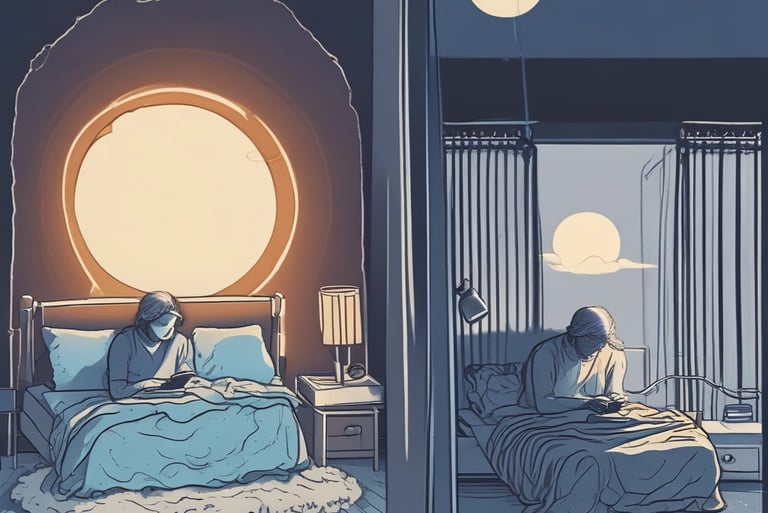
It’s 11 PM. You’re exhausted. You climb into bed, ready to drift off, but then you make one fatal mistake: you pick up your phone "just to check one thing." Fast forward two hours, and you’re wide awake, heart racing, scrolling through a feed of bad news, angry comments, and cat videos. You know you should put it down, but you can’t. And now, sleep feels impossible.
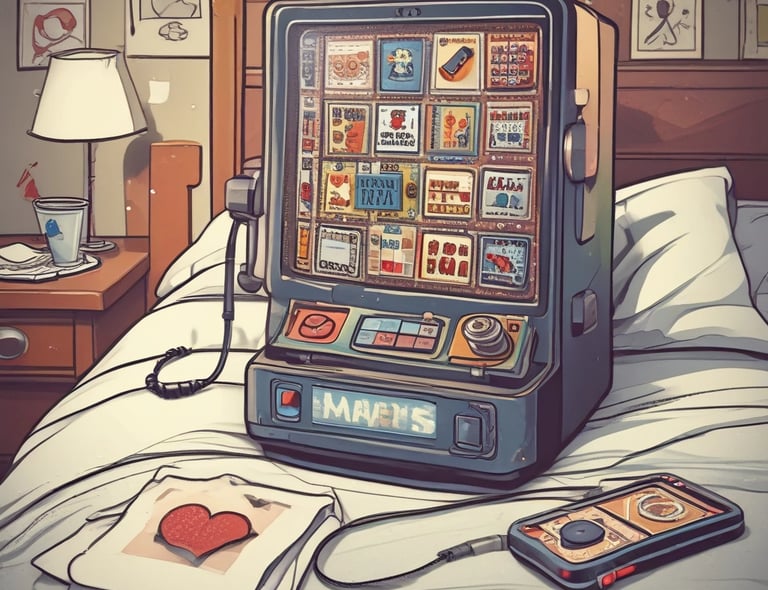
We’ve all been told that the blue light from our screens is the villain because it messes with our melatonin (the sleep hormone). And while that’s true, it’s only half the story. The real reason your phone is wrecking your sleep isn't just about light—it’s about stress. Your phone is an emotional slot machine, and playing it right before bed is like drinking a double espresso of anxiety. Let’s dive into why your bedtime scroll is essentially a fight-or-flight response waiting to happen.
The "Settling Down" Myth
Sleep isn't a switch you flip; it’s a slow descent. Your brain needs a "landing strip"—a period of time to decelerate from the day’s activity.
Experts suggest that the main reason why it's hard to fall asleep after using your phone is that you don't have time to settle down.
When you engage with your phone, you are doing the exact opposite of settling.
Active vs. Passive: Watching a boring TV show is passive. You just sit there. But using a phone is active. You are swiping, typing, liking, and reacting. Your brain is in "do mode," not "sleep mode."
The Engagement Loop: Lots of people play right in bed, some read the news, others flip through their social media feeds. These apps are engineered to keep you engaged. They use variable rewards to keep your dopamine firing, making it physically difficult to look away.
The Cortisol Spike: Why You Feel "Wired"
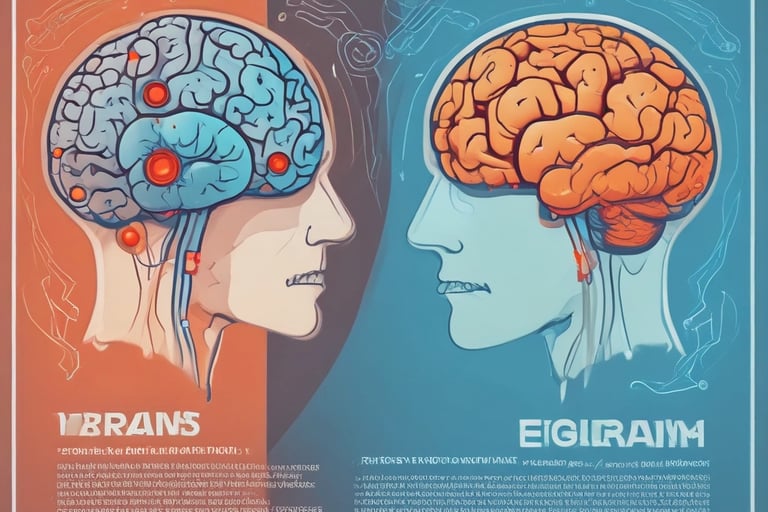
Here is the biological kicker. Curiously, many of these actions cause your body to produce cortisol, the stress hormone.
Think about what you see on your phone.
The News: A war breaking out, a political scandal, a natural disaster.
Social Media: An argument in the comments, a post that makes you feel jealous or inadequate.
Gaming: An online game has a monster chasing you or a timer counting down.
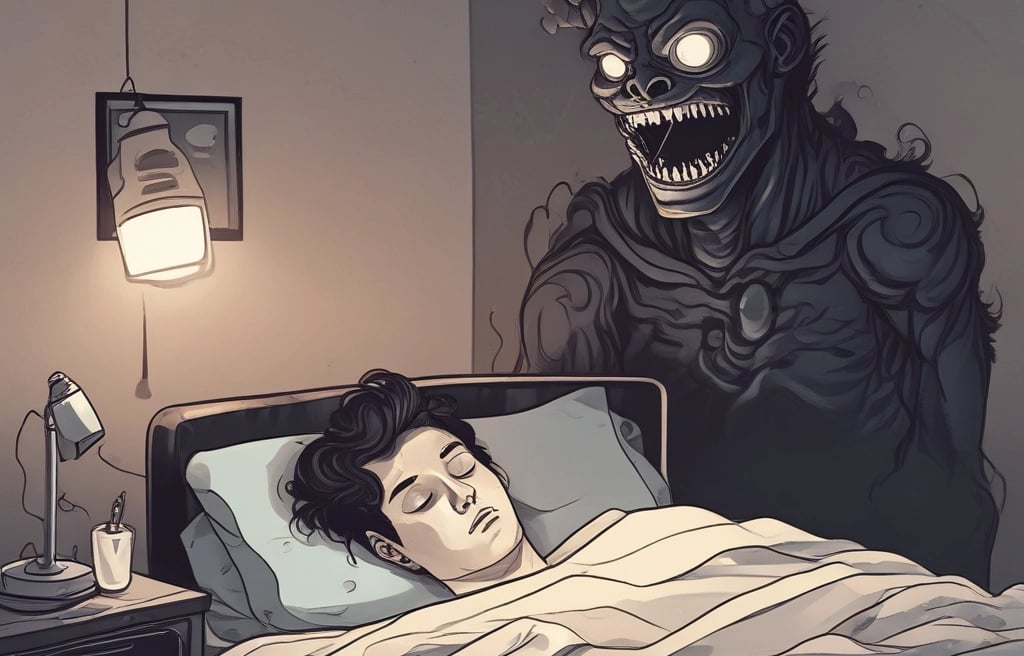
Your conscious mind knows it’s just a screen. But your primitive brain? It sees a threat. It sees danger. So it pumps out cortisol to help you "survive."
Cortisol doesn't let you sleep; on the contrary, it wakes you up, since you can't sleep under conditions of "anxiety and danger"!
Evolutionarily speaking, sleeping while a tiger is chasing you is a bad idea. So, when you spike your cortisol at midnight by reading disturbing news, your body is doing exactly what it’s designed to do: keeping you wide awake to face the threat.
The "Blue Light" Factor (It’s Still Real)
While cortisol is the hidden enemy, let’s not forget the obvious one: light.
Blue light fools the brain into thinking it's daytime.
The specific wavelength of light emitted by screens mimics the sun at noon. When this light hits your retina, it signals your pineal gland to stop producing melatonin. You are essentially giving yourself mini-jet lag every single night.
Conclusion
Your phone is a miracle of technology, but it’s a disaster for your sleep hygiene. It’s a portal to the world’s stress, delivered right to your pillow. It blasts you with daylight, spikes your stress hormones, and keeps your brain in high gear when it should be idling.
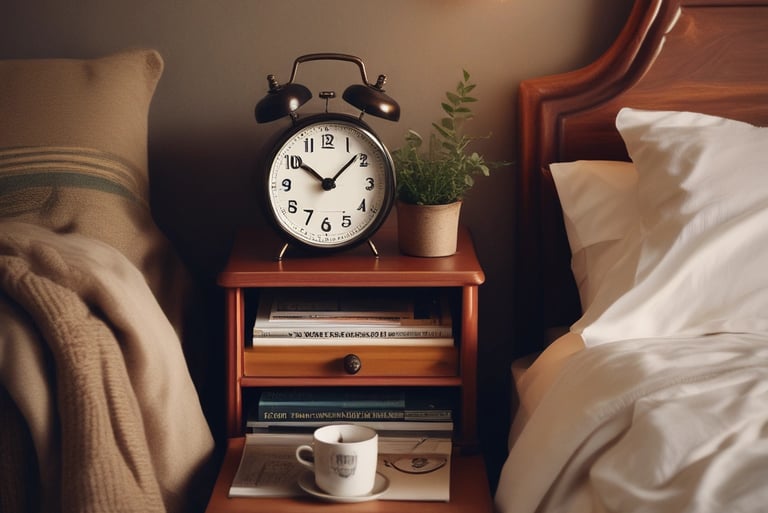
The solution? Buy an old-school alarm clock. Charge your phone in the kitchen. Give yourself a 30-minute "tech-free buffer" before bed. Read a book, stretch, or just stare at the ceiling. It might feel boring at first, but boredom is the best friend of a good night’s sleep.
Frequently Asked Questions (FAQ)
Is "Night Mode" enough to fix it?
No. While "Night Shift" or "Eye Comfort" modes reduce blue light (making the screen look orange), they do nothing to stop the cortisol spike from the content you are consuming. An orange screen showing a stressful email will still keep you awake.
What about audiobooks or podcasts?
These are generally better because they don't involve light or active scrolling. However, be careful with the content. A true crime podcast about a serial killer might spike your adrenaline just as much as the news! Stick to calming or boring topics.
How long before bed should I stop?
Most sleep experts recommend a minimum of 30 to 60 minutes of screen-free time before sleep to allow cortisol levels to drop and melatonin to rise.
Contact
Téléphone
healthyyyyplus@gmail.com
+33 612379219