Embrace natural wellness with HerbalVoice. Expert insights on herbal remedies, superfoods, and holistic health to help you boost immunity, find balance, and thrive. Your journey to vibrant, natural living starts here
The Hardest Working Muscle in Your Body Is Actually Lazy (And That's Why You're Alive)
How does your heart beat 2.5 billion times without getting tired? The secret lies in a hidden "rest cycle" that ensures your ticker spends more time sleeping than working.
12/2/20254 min temps de lecture
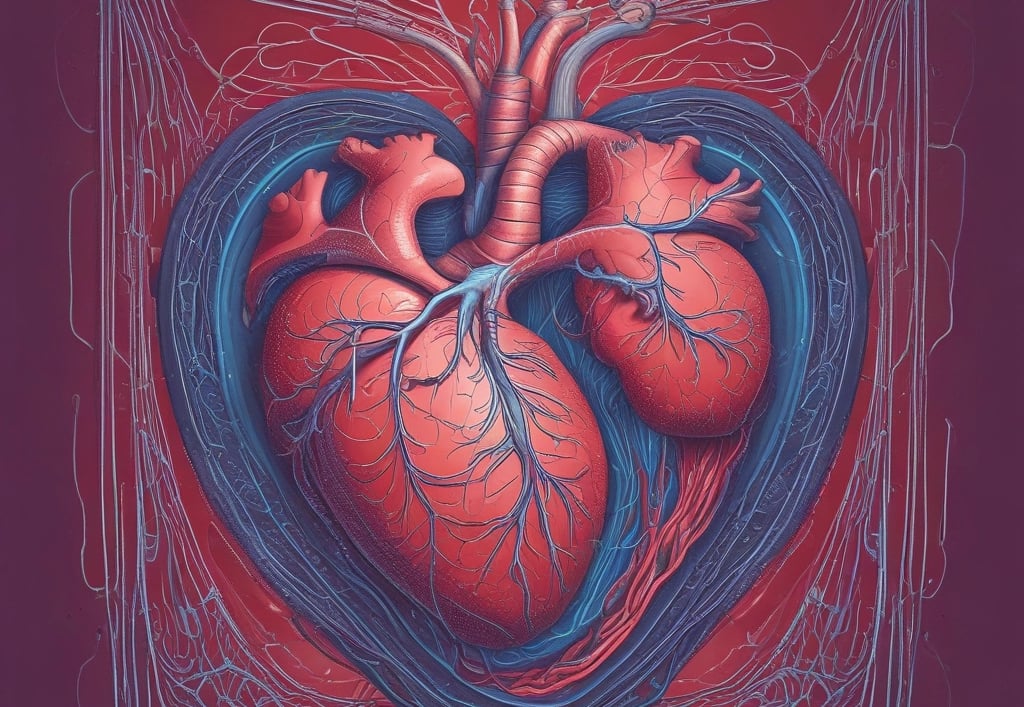
The Hardest Working Muscle in Your Body Is Actually Lazy (And That's Why You're Alive)
Introduction
Imagine squeezing a tennis ball as hard as you can. After about 30 seconds, your hand would start to cramp. After a minute, it would be shaking. After five minutes, it would be completely useless. Yet, right inside your chest, there is a muscle that squeezes roughly 100,000 times a day, every single day, for 80 years or more, without ever cramping up.
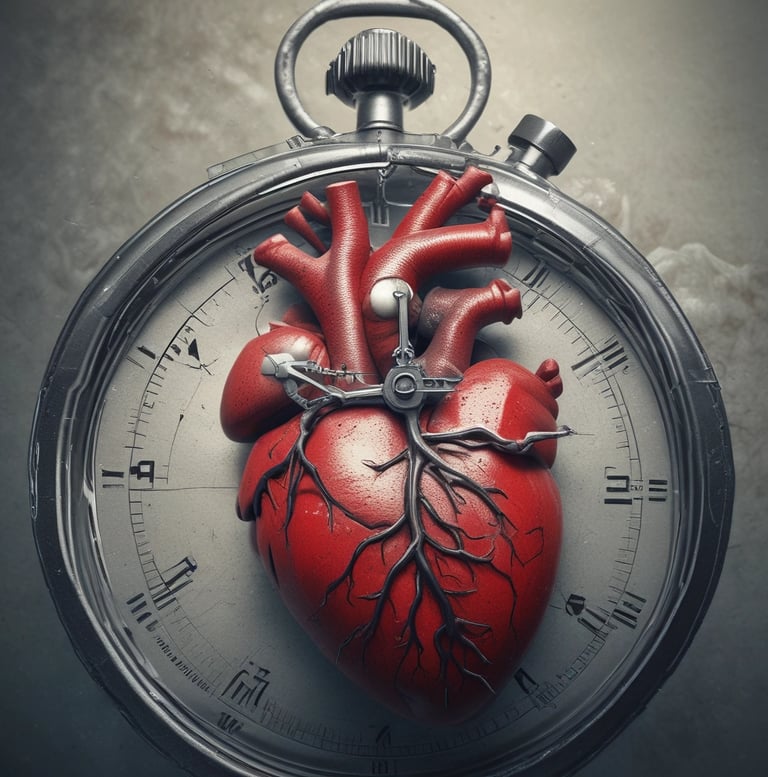
We tend to think of the heart as a tireless engine, a machine that runs 24/7 without a break. But if that were true, it would burn out in a week. The biological miracle of the heart isn't its stamina; it's its ability to nap. It turns out, your heart is actually a master of work-life balance. It doesn't run a marathon; it runs billions of tiny sprints, with a micro-nap in between each one. In fact, if you do the math, your heart actually spends more time on vacation than it does at work. Let's break down the secret schedule of the most vital organ in your body.
The "Alternating Shift" System
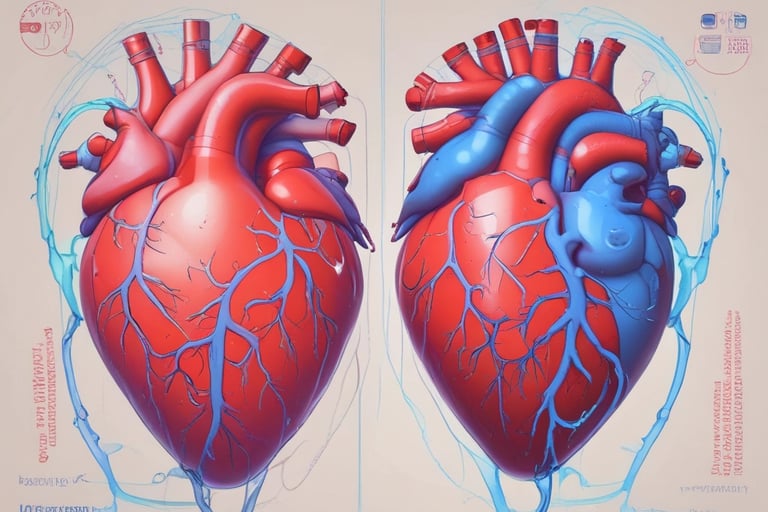
The first thing to understand is that your heart isn't one big muscle contracting all at once. It’s divided into two teams: the upper chambers (atria) and the lower chambers (ventricles). And just like a smart factory, they never work the same shift.
The fact is that the ventricles and atria never contract simultaneously - they always work in alternating shifts.
When the atria are squeezing blood down, the ventricles are relaxing and filling up. When the ventricles squeeze to pump blood out to your body, the atria are relaxing and refilling. It’s a perfect, rhythmic dance of tension and release. This means that at any given micro-second, half of your heart is technically "off the clock".
Diastole: The Magic of the Micro-Nap
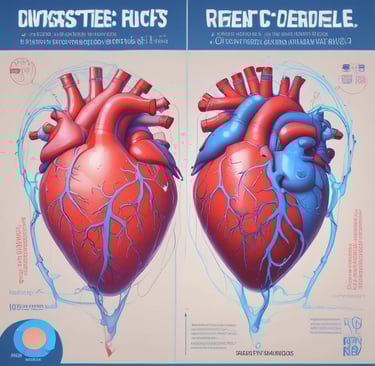
In medical terms, the "work" phase is called Systole (contraction) and the "rest" phase is called Diastole (relaxation). Here is where the math gets mind-blowing.
A standard cardiac cycle (one heartbeat) lasts about 0.8 seconds (assuming a heart rate of 75 beats per minute).
Atrial Systole (Work): 0.1 seconds
Ventricular Systole (Work): 0.3 seconds
Total Diastole (Rest): 0.4 seconds
Do you see that? The heart spends about 0.4 seconds working and 0.4 seconds resting. If we calculate the time during which the heart remains in a relaxed state, we get that it rests for approximately the same amount of time as it works.
Actually, the "Quiescent Period"—the brief moment when both chambers are relaxed while blood passively flows in—accounts for a huge chunk of the cycle. This means that over a 70-year lifespan, your heart has been essentially "asleep" for roughly 35 to 40 years!
Why It Never Cramps: The Fuel Difference
It’s not just the timing; it’s the fuel. Your skeletal muscles (like your biceps) run mostly on glucose. When they work too hard, they run out of oxygen, produce lactic acid, and cramp up.
Your heart muscle (cardiac muscle) is different. It has the highest density of mitochondria (energy factories) of any tissue in the body. It is designed to run almost exclusively on aerobic respiration (using oxygen). It eats fatty acids and lactate for breakfast. As long as it has oxygen, it cannot get tired in the way your legs do. It’s like a hybrid car that recharges its own battery every time it hits the brakes.
Conclusion
Your heart is the ultimate lesson in productivity: to go the distance, you have to rest as hard as you work. It doesn't survive by pushing through the pain; it survives by taking a break after every single rep.
So, the next time you feel guilty for taking a nap or slowing down, just remember: the only reason you are alive right now is because your heart is lazy enough to take a break 100,000 times a day. Maybe we should all listen to our ticker a little more.
Frequently Asked Questions (FAQ)
Does the heart rest more when we sleep?
Yes! When you sleep, your heart rate drops (sometimes to 40-50 bpm). This lengthens the diastole (rest) phase significantly, giving your heart muscle even more time to recover and repair.
Can stress stop the heart from resting?
Yes. Chronic stress or a constantly high heart rate (tachycardia) shortens the diastole phase. If the heart beats too fast, it spends too much time contracting and not enough time relaxing and refilling. This can lead to heart failure over time because the muscle literally doesn't get enough downtime.
Why doesn't the heart build up lactic acid?
Unlike your leg muscles which "feel the burn" (lactic acid) when they run out of oxygen, the heart is incredibly efficient at consuming lactic acid as fuel. It actually recycles the waste product that makes other muscles tired!





Contact
Téléphone
healthyyyyplus@gmail.com
+33 612379219