Embrace natural wellness with HerbalVoice. Expert insights on herbal remedies, superfoods, and holistic health to help you boost immunity, find balance, and thrive. Your journey to vibrant, natural living starts here
The "Hidden Clock" in Your Cells: How to Sync Your Metabolism for Effortless Fat Burning
Your metabolism isn't broken; it's just jet-lagged. Learn how to boost energy, burn fat, and fix your sleep by syncing your eating habits with your body’s natural 24-hour circadian rhythm.
11/30/20255 min temps de lecture
The "Hidden Clock" in Your Cells: How to Sync Your Metabolism for Effortless Fat Burning
Introduction
We treat our bodies like 24-hour convenience stores—open for business whenever we feel like eating. A smoothie at 7 AM, a sandwich at noon, and maybe a bag of chips at 11 PM while binge-watching our favorite show. We assume that a calorie is a calorie, regardless of when we eat it. But here is the kicker: your body doesn't work that way.
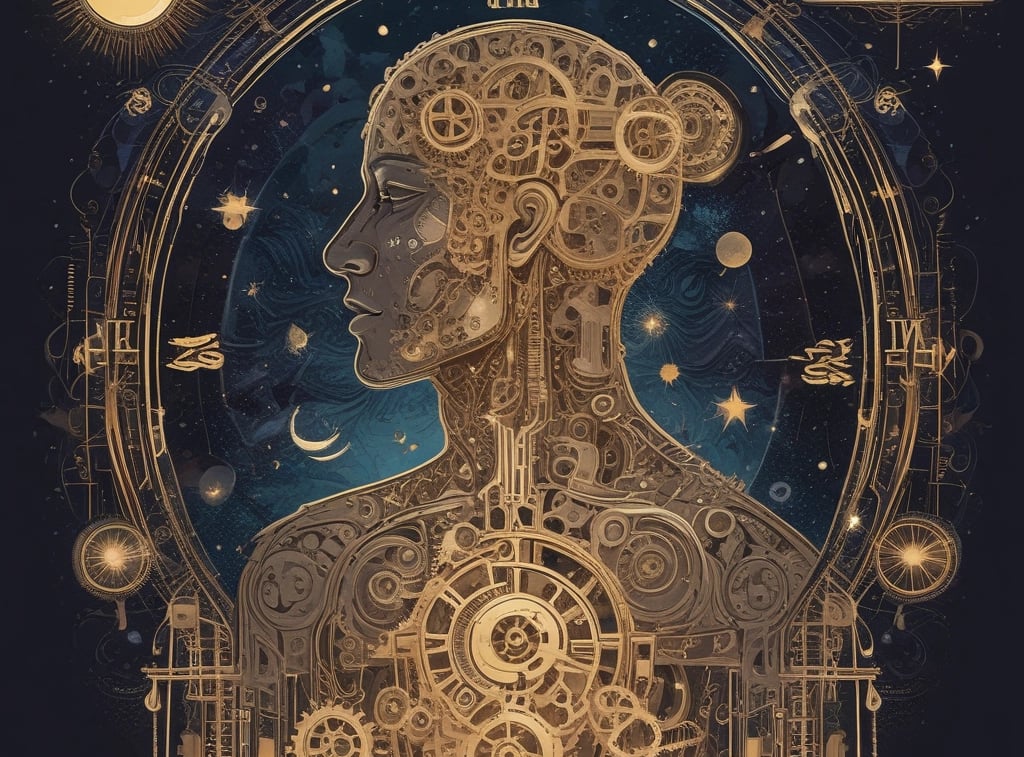
New science is revealing that your metabolism isn't a steady engine; it’s a rhythm section. Every cell in your body has a tiny clock, and they all march to the beat of a master conductor in your brain called the circadian rhythm. When you eat, sleep, and move in sync with this rhythm, your body becomes a fat-burning, energy-producing machine. But when you fight it? It’s like trying to paddle a canoe upstream. You work twice as hard for half the results.
So, if you are tired of "dieting" without seeing changes, it might be time to stop focusing on what you eat and start looking at when you eat. Let’s decode your body's daily schedule.
6:00 AM - 8:00 AM: The "Wake Up" Call
The Hormone Reset
You might hate your alarm clock, but your body loves the morning. Right around sunrise, your body naturally spikes cortisol. Now, we usually think of cortisol as the "stress hormone" (and too much is bad), but in the morning, it’s actually a superhero. It wakes you up, clears brain fog, and mobilizes stored energy.
The Action Plan:
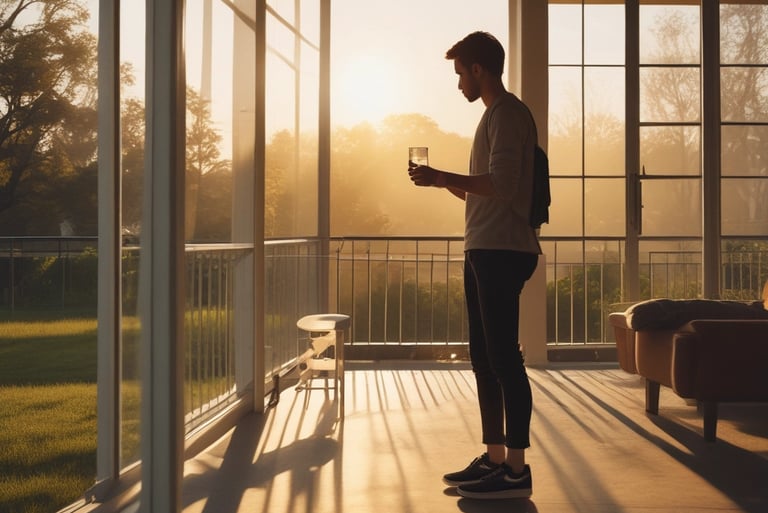
Get Light: Step outside within an hour of waking up. Sunlight hits your eyes and tells your master clock, "Game on." This anchors your rhythm for the entire day.
Hydrate: You've been dehydrated for 8 hours. Drink water with electrolytes to jumpstart your system.
Delay Caffeine: Wait 90 minutes before coffee. Let your natural cortisol rise do the work first so you don't crash later.
10:00 AM - 1:00 PM: Peak Performance Mode
Insulin Sensitivity is High
This is your metabolism's "Golden Hour." Research shows that your insulin sensitivity is highest in the first half of the day. This means your body is incredibly efficient at processing carbohydrates and turning them into fuel rather than storing them as fat.
The Action Plan:
Eat the Big Meals: If you are going to have a heavy meal or carbs, do it now. Your body will burn it off like a furnace.
Move: This is a great time for movement breaks. A quick walk after lunch can lower blood sugar significantly because your muscles are primed to soak up glucose.
3:00 PM: The Natural Dip
The "Afternoon Slump" is Real
Ever feel like you hit a wall at 3 PM? That’s not just you; it’s biology. Your core body temperature drops slightly, and your cortisol levels taper off. It’s a natural signal for your body to rest and recharge.
The Action Plan:
Don't Reach for Sugar: Your insulin sensitivity is starting to drop. A sugary snack now will spike your blood sugar and lead to a crash.
Go for Protein: Grab a handful of almonds or a protein shake.
Cut the Caffeine: Caffeine has a half-life of about 6 hours. Drinking it now means it will still be in your system at 9 PM, wrecking your deep sleep.
5:00 PM - 7:00 PM: The Last Call
The Metabolic Downshift
As the sun goes down, so does your digestion. Your body begins to transition from "active mode" to "repair mode." Your pancreas produces less insulin, and your digestion slows.
The Action Plan:
Eat Light: Think of dinner as a supplement, not the main event. Focus on protein and veggies.
The 3-Hour Rule: Stop eating at least 3 hours before bed. This is non-negotiable for optimization. Why? Because digestion requires a lot of energy and raises your body temperature—two things that prevent deep sleep.
10:00 PM - 2:00 AM: The "Magic" Window
Repair & Fat Burning
This is where the magic happens. If you’ve stopped eating and your room is dark, your brain releases melatonin. Melatonin doesn't just make you sleepy; it signals a massive cellular cleanup.
Crucially, this is also when Growth Hormone (GH) peaks—but only if insulin is low. Growth Hormone is your "fountain of youth." It burns fat and builds muscle while you sleep. If you eat a late snack, insulin spikes, and GH gets shut down. You literally miss out on free fat-burning and anti-aging benefits just because of that midnight cookie.
Conclusion
Your body is smarter than you think. It has a schedule for everything—when to burn fat, when to build muscle, and when to repair cells. The problem isn't your body; it’s that modern life has disconnected us from this rhythm. We stare at bright screens at night (confusing our melatonin) and eat heavy meals at 9 PM (confusing our insulin).
By making small shifts—getting morning light, eating your biggest meals early, and closing the kitchen 3 hours before bed—you stop fighting your biology and start working with it. You’ll find that weight loss becomes easier, energy becomes stable, and sleep becomes restorative. It’s not about starving yourself; it’s about syncing yourself.
Frequently Asked Questions (FAQ)
What if I work night shifts?
This is tough, as you are fighting your biology. Try to keep your "night" (sleep time) completely dark and your "day" (wake time) bright. Stick to a consistent eating window, even if it's at night, and avoid eating during your "biological night" (the time you would normally be sleeping) if possible.
Does intermittent fasting help with this?
Yes! Circadian Rhythm Fasting (e.g., eating from 8 AM to 6 PM) is one of the most effective ways to align your eating with your internal clock. It naturally prevents late-night eating.
Can I exercise at night?
You can, but heavy cardio or HIIT late at night raises cortisol and body temperature, which can delay sleep. Strength training or light movement is usually better in the evening.
Contact
Téléphone
healthyyyyplus@gmail.com
+33 612379219