Embrace natural wellness with HerbalVoice. Expert insights on herbal remedies, superfoods, and holistic health to help you boost immunity, find balance, and thrive. Your journey to vibrant, natural living starts here
The Future of Food: What’s on Tomorrow’s Table?
The future of food is closer than you think. From lab-grown meat to AI-driven farming, here’s how technology, climate change, and creativity are reshaping what we eat—and why it matters more than ever. f
11/29/20256 min temps de lecture
The Future of Food: What’s on Tomorrow’s Table?
The future of food is closer than you think. From lab-grown meat to AI-driven farming, here’s how technology, climate change, and creativity are reshaping what we eat—and why it matters more than ever.
Introduction
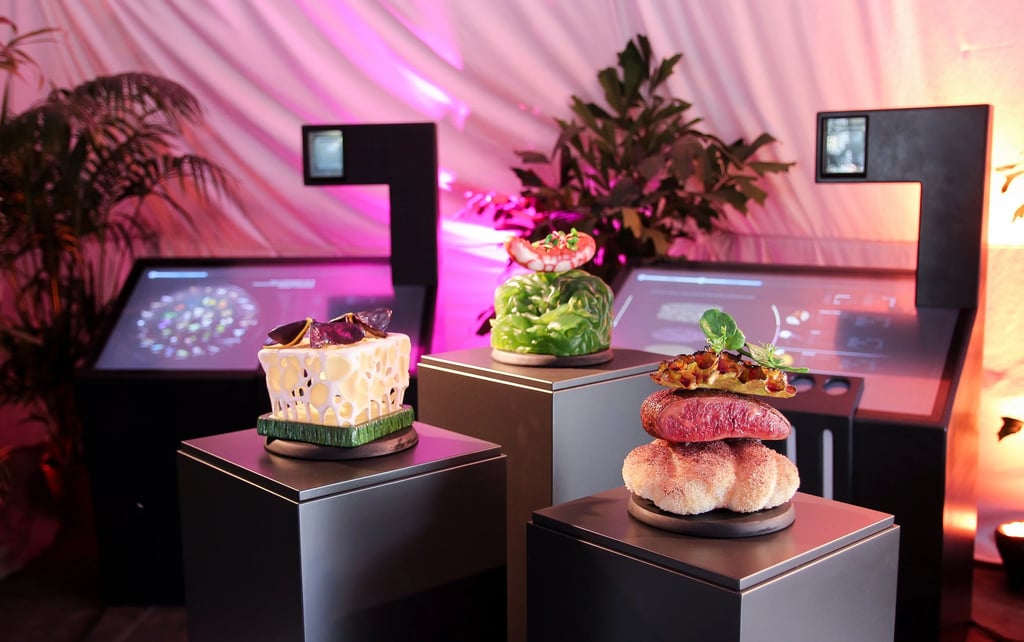
Imagine walking into a grocery store in 2040. Instead of aisles of plastic-packaged snacks, you stroll past shelves stacked with personalized nutrition pods, 3D-printed pasta, and steaks that never saw a pasture. Sounds like a sci-fi movie, right? Well, maybe not for long.
The future of food isn’t just about feeding billions—it’s about rethinking how we eat, why we eat, and what our choices mean for the planet. We’re in the middle of a food revolution that’ll make today’s diet trends look, well, a little old-fashioned.
Let’s dig into what’s cooking—literally.
H2: The Tech Revolution on Our Plates
Technology has quietly slipped into the kitchen—and it’s not leaving anytime soon. Artificial intelligence, robotics, and biotechnology are redefining how we produce and consume food.
H3: Lab-Grown Meat and Cultivated Protein
Forget industrial farming as the backbone of meat production. Scientists are now growing real meat using animal cells, creating “cultivated” beef, chicken, and even seafood that mimic the taste and texture of the real deal—minus the ethical and environmental baggage.
Companies like Upside Foods and Mosa Meat are leading the charge, promising juicy burgers that never required a pasture or slaughterhouse. Lab-grown meat significantly reduces greenhouse gas emissions and water use, which could make dinner a lot greener—literally and ethically.
H3: AI in Agriculture
AI is now the unsung hero of the modern farm. Farmers are using drones, satellite data, and predictive analytics to monitor crops, prevent pests, and optimize yields. Picture a farmer watching a dashboard instead of walking acres of land, tweaking fertilizer use with precision that saves both money and soil health.
Smart systems can even forecast weather patterns and soil conditions with eerie accuracy, helping producers adapt to climate change in real time. Pretty futuristic, right?
H3: 3D-Printed Food—From Niche to Normal
3D food printing sounds wild until you realize it’s already being used. Picture a printer layering ingredients to form intricate desserts, pasta, or even plant-based meats designed for perfect taste and texture balance.
This tech could revolutionize how we feed astronauts, soldiers, and even hospital patients, allowing for meals tailored to nutritional and medical needs. It’s food design meets science fiction.
H2: Sustainability is the New Seasoning
If humanity had a dinner guest named “Climate Change,” it would be a pretty awkward meal. Our food system contributes up to a third of global greenhouse gas emissions. That’s a big deal—and a big reason we’re seeing a push for sustainable alternatives.
H3: From Food Waste to Circular Systems
Globally, we waste about one-third of all food produced. That’s not just tragic—it’s absurd. Startups are flipping this on its head, using AI to track inventory, turning leftovers into new products, and even creating “ugly produce” delivery services that celebrate imperfect fruits and veggies.
Technologies that upcycle food waste into new ingredients—like flour made from spent grains or chips from vegetable pulp—are showing how being green can be genuinely delicious.
H3: Regenerative Farming
Forget industrial agriculture’s “take more, give less” approach. Regenerative agriculture rebuilds the soil, restores biodiversity, and captures carbon—all while producing nutrient-rich crops. Think of it as agriculture with a conscience.
Farmers embracing regenerative practices are finding that healthier soil equals better yields over time. And consumers are catching on, too—demanding transparency about how their food is grown.
H3: The Rise of Plant-Based Everything
If you’ve tried an oat milk latte lately, you’ve tasted the tip of the iceberg. Plant-based innovation has exploded, offering everything from egg substitutes made of mung beans to cheese crafted from fermented cashews.
These alternatives don’t just cater to vegans—they represent a massive shift in how we think about protein and sustainability. As consumer tastes evolve, so will the options, from hybrid meats (part plant, part animal cell) to entirely new categories of protein we haven’t even named yet.
H2: Personalization on the Menu
Gone are the days when “one-size-fits-all” diets reigned supreme. The future of food is personal—literally tailored to your DNA, microbiome, and lifestyle.
H3: DNA-Based Nutrition
Companies can already analyze your genetic data to suggest personalized meal plans that align with your metabolism, potential health risks, and nutrient needs. Imagine an app that knows you process caffeine slowly or need more omega-3s, and it adjusts your meals accordingly. That’s not guesswork; it’s nutrition powered by real science.
H3: Precision Fermentation
It’s not just about what’s on the plate—it’s how we make it. Precision fermentation uses microbes to produce ingredients like milk proteins without cows, honey without bees, or collagen without animals. The taste is virtually identical but infinitely more sustainable.
This process will likely underpin much of the “invisible future” of food—where traditional animal-based products quietly vanish from supply chains without most people even noticing.
H2: Urban Farming and Hyperlocal Food
The once far-fetched idea of growing food in skyscrapers or shipping containers is now taking root—literally. Urban farming and vertical agriculture promise fresh, local produce grown within city limits, often using hydroponics or aeroponics systems that need minimal water and land.
Urban farms reduce transportation costs, minimize spoilage, and reconnect people with where their food comes from. Plus, it’s a great conversation starter when your salad greens grew two floors below your apartment.
Hyperlocal food networks—restaurants sourcing ingredients from nearby rooftops, for instance—will blur the line between farm and table. Think of it as “zero-mile dining.”
H2: Big Questions About the Future
All this tech sounds impressive, but it raises some tricky questions:
Will lab-grown meat really replace traditional farming, or just complement it?
How do we ensure equitable access to high-tech food solutions?
Can sustainability scale faster than convenience?
We can’t ignore that technology tends to widen gaps before it bridges them. Wealthier regions might enjoy bioengineered nutrition first, while developing nations continue to struggle with scarcity. The challenge isn’t just creating innovation—it’s democratizing it.
H2: The Flavor Factor
Let’s be honest: no matter how sustainable or high-tech it is, people still want their food to taste amazing. That’s where culinary creativity meets science.
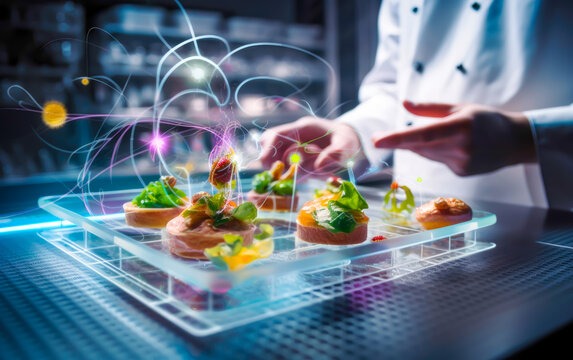
Chefs are experimenting with new textures, flavor compounds, and even sensory-enhancing gadgets that mimic umami or intensify aroma. The intersection of neuroscience and gastronomy will make your future dinner as much an experience as a meal.
Expect AI-powered recipe creation, virtual tasting assistants, and smart kitchens that learn your preferences—down to the spice level.
H2: How We’ll Shop and Eat in 2040
Picture this: you scan your fridge with an app that identifies what’s running low, cross-references your calendar, and orders groceries—most of which were printed or grown nearby. Your food preferences update automatically based on your health data and mood.
Restaurants might use AR menus that display exactly how your meal was sourced or even let you customize ingredients in real time. Dining could become immersive, sustainable, and surprisingly intimate.
And yes, insect protein bars and algae-based smoothies won’t feel weird—they’ll just be breakfast.
(For a deeper look at sustainable tech shaping our diets, check out [INSERT LINK]).
Conclusion: The Future Tastes Bright
The future of food is not just a high-tech fantasy—it’s an ongoing evolution of survival, creativity, and connection. As climate change, population growth, and health challenges reshape our world, what’s on our plates will become more intentional, local, and personal.
Food has always been a reflection of who we are. The difference now is that it’s becoming a reflection of who we want to be: healthier, kinder to the planet, and infinitely more inventive.
Tomorrow’s meals might not look like today’s, but one thing’s certain—they’ll tell an even better story.
FAQ
1. What is the biggest change coming to the food industry?
The shift from traditional to alternative proteins—lab-grown, plant-based, and precision-fermented—is set to redefine how global food systems work.
2. Will traditional farming disappear?
Not entirely. It’ll likely evolve alongside new tech, adopting regenerative and smart farming practices for better yield and sustainability.
3. Is lab-grown food safe to eat?
Yes. Cultivated foods go through strict safety testing and regulatory review before approval. Early studies show their nutritional profiles are comparable to traditional options.
4. How soon will we see these changes mainstreamed?
Many innovations—like AI farms, plant-based meat, and DNA diets—are already here. Widespread adoption may take another decade or two.
5. Can sustainable food be affordable?
Eventually, yes. As technology scales and consumer demand grows, prices will drop. Remember when organic food was a luxury? It’s the same story.

Contact
Téléphone
healthyyyyplus@gmail.com
+33 612379219