Embrace natural wellness with HerbalVoice. Expert insights on herbal remedies, superfoods, and holistic health to help you boost immunity, find balance, and thrive. Your journey to vibrant, natural living starts here
Unlocking the Secrets of Fermented Black Garlic
Dive into the world of fermented black garlic! This guide explores the unique, sweet-and-savory flavor profile, the incredible health benefits, and creative culinary uses for this amazing Black Garlic Recipes"
11/27/20258 min temps de lecture
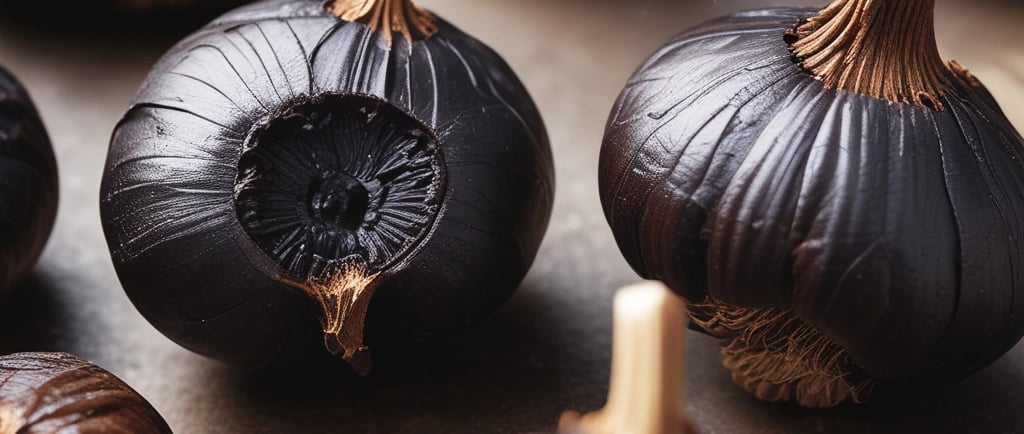
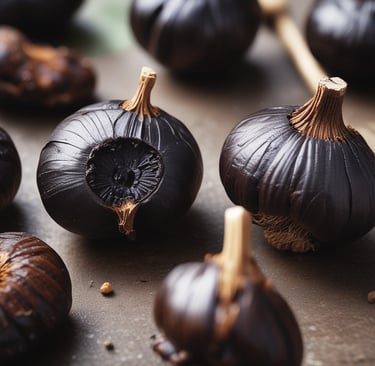
The Dark Horse of the Culinary World: Unlocking the Secrets of Fermented Black Garlic
Introduction
Have you ever stumbled upon an ingredient that just completely stops you in your tracks? For me, it was a small, unassuming tub of jet-black cloves at a local food market. They looked like garlic that had gone terribly, terribly wrong—shriveled, dark as coal, and a bit intimidating. The label read "Fermented Black Garlic," and honestly, my first thought was, "Who on earth would eat that?" But, oh boy, am I glad my curiosity won out.
Peeling back the papery skin revealed not a pungent, sharp clove, but something soft, sticky, and almost jelly-like. The aroma wasn't sharp at all; instead, it was a complex wave of sweet molasses, tangy balsamic, and a deep, savory richness. That, my friends, was my introduction to this culinary marvel, and let me tell you, it's a game-changer. It’s not just a food; it's an experience, one that transforms familiar dishes into something utterly extraordinary. So, if you're ready to have your mind (and your taste buds) blown, let's pull back the curtain on this mysterious superfood.
What on Earth is Fermented Black Garlic?
First things first, let's clear up a common mix-up. While it's widely called "fermented," the process that creates black garlic isn't actually fermentation in the traditional sense, like with kimchi, yogurt, or sauerkraut. There are no microbes, fungus, or yeast involved in the transformation. So, what is actually happening here?
In reality, black garlic is the result of a long, slow-aging process. Think of it more like a low-and-slow barbecue for garlic bulbs, but over a period of weeks rather than hours. Whole bulbs of regular, raw garlic are held at a consistent, low heat (usually varying between 140°F and 170°F) in a high-humidity environment for anywhere from 30 to 90 days. During this extended "sauna session," a beautiful and complex chemical reaction takes place. It's not rotting; it's evolving.
What you get at the end is pure magic. The cloves turn a deep, inky black. Their texture softens from crisp and firm to something akin to a soft dried fruit—spreadable, chewy, and tender. And that infamous, pungent "garlic breath"? Gone. It's completely replaced by a mellow, sweet, and deeply savory character. It’s garlic, but not as you know it. This process fundamentally alters its DNA, turning a kitchen staple into a gourmet delicacy that chefs around the world are scrambling to get into their pantries.
A Brief History of a Modern Delicacy
While it feels like a trendy new discovery in Western kitchens, the origins of black garlic are somewhat debated, with roots likely stretching back to Asia. It has been consumed in South Korea, Thailand, and Japan for centuries, valued not just for its unique taste but for its perceived medicinal properties.
However, its explosion onto the global gastronomic stage is relatively recent. Around the early 2000s, it began appearing on high-end menus in the US and Europe, championed by adventurous chefs looking for that elusive "fifth taste"—umami. Today, it has moved from Michelin-starred restaurants to home kitchens, bridging the gap between ancient tradition and modern culinary innovation.
The Magic Behind the Color: A Little Kitchen Science
So, how does plain old white garlic turn into this dark, mysterious gem? The secret lies in a fascinating chemical process called the Maillard reaction. Now, don't let the science-y name scare you off. You've seen the Maillard reaction a million times. It’s the very same process that gives a seared steak its delicious brown crust, toast its golden color, and roasted coffee its deep flavor. It’s a chemical reaction between amino acids and reducing sugars that happens when you apply heat.
In the case of Fermented Black Garlic, this reaction is happening at a snail's pace. Over weeks, the natural sugars and amino acids within the garlic cloves slowly break down and reform into hundreds of new flavor compounds. This is why the taste is so incredibly complex and layered.
Furthermore, another process called caramelization is also at play, which is what happens when you heat sugars. This contributes to the sweet, molasses-like notes in the final product. So, ultimately, you have this beautiful duet of the Maillard reaction and caramelization working together, slowly and surely, to create the unique color, texture, and flavor profile. It’s nothing short of a culinary miracle, all happening inside a humble garlic bulb.
A Flavor That Will Change Your World
Describing the taste of black garlic is like trying to describe a color to someone who has never seen it. It’s a journey for your palate. The initial sharp, aggressive bite of raw garlic is completely gone. In its place, you'll find a symphony of flavors:
A Deep, Molasses-Like Sweetness: It has a rich sweetness that’s reminiscent of aged balsamic vinegar or tamarind paste. It's not "candy sweet," but rather a dark, earthy sweetness.
Powerful Umami: This is the big one. Umami is that savory, "fifth taste" you find in things like soy sauce, mushrooms, and Parmesan cheese. Black garlic is packed with it, adding an incredible depth of flavor to anything it touches.
Subtle Tanginess: There are notes of fruitiness, like dried fig, prune, or date, that provide a gentle, tangy counterpoint to the sweetness.
Earthy, Savory Undertones: You might also detect hints of licorice, dark chocolate, or even a slight smokiness. It’s incredibly complex, and each bite seems to reveal a new layer.
Because its flavor is so mellow, you can literally peel a clove and eat it straight from the bulb without any of the harshness or burn of raw garlic. It’s the perfect way to add a sophisticated, savory punch to your cooking without overwhelming other ingredients.
More Than Just a Pretty Taste: The Health Benefits
As if the incredible flavor wasn't enough, it turns out this stuff is seriously good for you, too. The aging process doesn't just create amazing taste; it also concentrates and enhances some of the beneficial compounds found in raw garlic. For instance, the compound allicin, which gives raw garlic its pungent smell and many of its health benefits, is converted into powerful antioxidants during the aging process.
Here are a few reasons your body will thank you for adding Fermented Black Garlic to your diet:
Antioxidant Powerhouse
Black garlic contains significantly higher concentrations of antioxidants compared to its raw counterpart. The aging process boosts the levels of S-Allyl cysteine (SAC), a compound that is water-soluble and easily absorbed by the body. These antioxidants help fight free radicals, which can reduce oxidative stress and inflammation, potentially protecting against chronic diseases.
Heart Health Hero
Studies suggest that black garlic can be a true friend to your cardiovascular system. It may help to improve cholesterol levels, both by lowering the "bad" LDL cholesterol and increasing the "good" HDL cholesterol. Consequently, it could also play a role in maintaining healthy blood pressure and circulation, keeping your ticker in top shape.
Immune System Support
Just like regular garlic, black garlic has properties that can help bolster your immune system. It acts as a natural booster, making you better equipped to fend off common illnesses like colds and flu.
Blood Sugar Regulation
Some research indicates that the high antioxidant levels in black garlic might be beneficial for regulating blood sugar levels. This could be particularly helpful for those managing diabetes or looking to prevent metabolic spikes.
Bringing Black Garlic into Your Kitchen
Alright, you're convinced. You want to try it. Now what? The beauty of this ingredient is its versatility. You can get super fancy with it, or you can keep it incredibly simple. It shines in both sweet and savory applications.
If you can't find it at your local gourmet grocer, don't worry. You can easily snag a high-quality jar online. For a truly premium experience, I highly recommend checking out this Fermented Black Garlic—it has that perfect soft texture and deep flavor profile we've been talking about.
Here are a few creative ideas to get you started once you have your jar:
The "Umami Bomb" Compound Butter: Mash a few cloves of black garlic into a stick of softened salted butter with some fresh parsley or thyme. Roll it into a log, chill it, and then slice off rounds to melt over a hot steak, grilled salmon, or even a simple piece of crusty sourdough toast. It is absolute heaven.
Next-Level Vinaigrette: Whisk a couple of mashed black garlic cloves into your favorite vinaigrette recipe (olive oil, balsamic vinegar, mustard). It adds a sweet, thickened texture and an umami depth that completely transforms a simple green salad.
Incredible Pasta Sauce: Mince some black garlic and stir it into a tomato or cream-based pasta sauce right at the end of cooking. It dissolves and infuses the whole dish with its rich flavor, adding a "je ne sais quoi" that will have your guests guessing the secret ingredient.
Gourmet Pizza Topping: Forget plain old garlic. Dot your pizza with small pieces of black garlic before baking. It pairs beautifully with earthy mushrooms, creamy goat cheese, and salty prosciutto.
Burger Booster: Mash a clove or two and mix it directly into your ground beef or lamb before forming burger patties. It adds moisture and a savory punch that elevates a backyard burger to restaurant quality.
Dessert? Yes, Really! believe it or not, the sweet, balsamic notes of black garlic pair surprisingly well with dark chocolate. Try adding a small amount to a chocolate truffle mixture or a brownie batter for a sophisticated, smoky twist.
DIY vs. Buying: What Should You Do?
You might be wondering, "Can I make this at home?" The short answer is yes, but with a caveat. Making black garlic at home is a commitment. You need to keep garlic bulbs at a specific temperature and humidity for weeks on end.
Some people use a rice cooker on the "keep warm" setting, but this ties up your appliance for a month and, fair warning, will make your entire house smell like garlic for weeks. There are also specialized black garlic fermenters available if you're serious about production.
However, for most of us, buying it is the way to go. It saves time, saves your nose, and guarantees a consistent, perfectly aged result. If you want to skip the hassle and jump straight to the delicious part, picking up a ready-made product is definitely the smarter move. Again, if you're looking for a reliable source, this Fermented Black Garlic is a fantastic option to start your journey.
Conclusion
Fermented Black Garlic is so much more than just a trendy ingredient; it's a testament to the power of slow, patient transformation. It takes a common, everyday food and turns it into something luxurious, complex, and surprisingly healthy. It bridges the gap between sweet and savory, adding an unforgettable umami punch that can elevate even the simplest weeknight meal.
So, the next time you're looking to shake up your culinary routine, don't hesitate. Whether you spread it on toast, blend it into a sauce, or just pop a clove as a snack, you are in for a treat. Grab a bulb, head to the kitchen, and get ready to unlock a whole new dimension of flavor. It’s an adventure waiting to happen, one clove at a time.
Frequently Asked Questions (FAQ)
Is black garlic really fermented?
Technically, no. It's created through a slow-aging process driven by heat and humidity. This triggers the Maillard reaction and caramelization, which changes the flavor and color, rather than microbial fermentation involving yeast or bacteria.
What does black garlic taste like?
It has a unique, complex flavor profile often described as a mix of balsamic vinegar, molasses, tamarind, and soft licorice. It is sweet, savory (umami), and tangy, without the sharp "heat" of raw garlic.
Can I use black garlic as a substitute for regular garlic?
You can, but the result will be very different. Black garlic is much milder and sweeter. You may need to use more of it to get a strong flavor, and it won't provide that spicy kick. It's often best used in addition to or alongside regular garlic, or as a finishing element.
Does black garlic go bad?
Like any food, it can, but it has a decent shelf life. Unopened, it can last for months. Once opened, it's best stored in an airtight container in the refrigerator, where it can last for up to six months. If it dries out, it becomes hard; if it gets too moist, it can mold, so keep it sealed!
Is it safe to eat raw?
Absolutely! In fact, many people prefer it that way. Because the harshness is gone, eating a whole clove is a pleasant experience, similar to eating a piece of dried fruit. It’s a great way to get a direct dose of its antioxidants.
Contact
Téléphone
healthyyyyplus@gmail.com
+33 612379219