Embrace natural wellness with HerbalVoice. Expert insights on herbal remedies, superfoods, and holistic health to help you boost immunity, find balance, and thrive. Your journey to vibrant, natural living starts here
Benefits of the Mediterranean Diet for Longevity
Discover how the Mediterranean diet can help you slow down, eat better, and live longer. Learn the science-backed benefits, core principles, and practical tips to embrace this healthy lifestyle for improved heart health and overall well-being.
11/19/20252 min temps de lecture
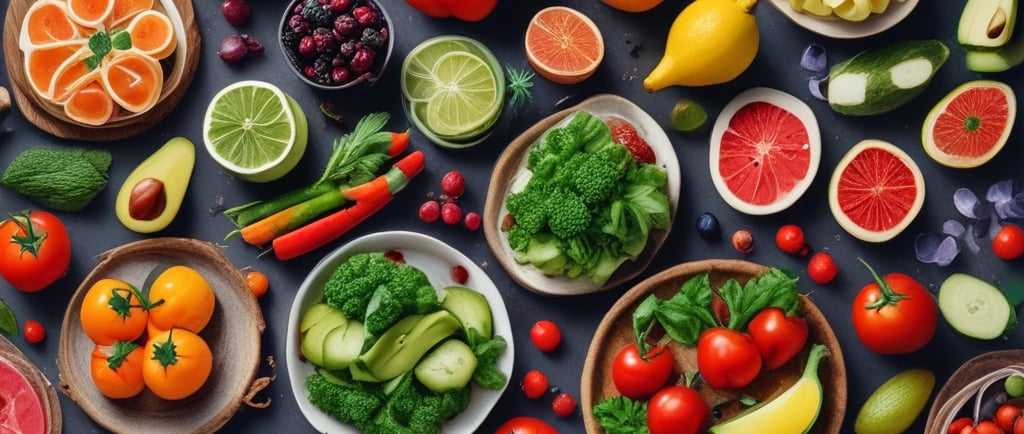
Mediterranean Diet: Slow Down, Eat Better, Live Longer
Introduction: A Lifestyle, Not a Fad
The Mediterranean diet isn’t just about food—it’s a way of life rooted in balance, simplicity, and connection. Inspired by the eating habits of countries bordering the Mediterranean Sea, this approach emphasizes fresh, whole foods, mindful eating, and social dining. Research consistently shows that following this diet can reduce chronic disease risk, improve mental health, and extend lifespan.
Why the Mediterranean Diet Works
Science backs its benefits:
Heart Health: Rich in monounsaturated fats from olive oil and omega-3s from fish.
Brain Health: Antioxidants from fruits and vegetables reduce oxidative stress.
Longevity: Lower rates of cardiovascular disease, diabetes, and certain cancers.
Core Principles
Eat Slowly and Mindfully
Savor flavors, chew thoroughly, and enjoy meals without distractions.
Eating slowly improves digestion and helps regulate appetite.
Prioritize Plant-Based Foods
Fill your plate with vegetables, fruits, legumes, nuts, and whole grains.
These provide fiber, vitamins, and phytonutrients essential for health.
Healthy Fats Are Your Friend
Use extra virgin olive oil as your main fat source.
Include nuts, seeds, and fatty fish for omega-3s.
Moderate Animal Protein
Choose fish and seafood several times a week.
Limit red meat and opt for lean poultry occasionally.
Enjoy Dairy in Moderation
Prefer fermented options like yogurt and cheese.
Season with Herbs, Not Salt
Basil, oregano, rosemary, and garlic add flavor and antioxidants.
Hydrate Wisely
Water is the main beverage; moderate wine with meals is optional.
Sample Day on the Mediterranean Diet
Breakfast: Greek yogurt with berries, honey, and walnuts.
Lunch: Quinoa salad with chickpeas, tomatoes, cucumber, and olive oil.
Snack: A handful of almonds and fresh fruit.
Dinner: Grilled salmon with roasted vegetables and a drizzle of olive oil.
Lifestyle Matters
Move naturally: Walk, garden, or cycle daily.
Eat socially: Share meals with family and friends.
Manage stress: Practice mindfulness or take time for relaxation.
Conclusion: Slow Down and Thrive
The Mediterranean diet is more than a menu—it’s a philosophy of living well. By slowing down, choosing nutrient-rich foods, and embracing balance, you can eat better, feel better, and live longer.
✅ Call to Action: Start small—swap butter for olive oil, add a colorful salad to your lunch, and take time to truly enjoy your meals.
Contact
Téléphone
healthyyyyplus@gmail.com
+33 612379219