Embrace natural wellness with HerbalVoice. Expert insights on herbal remedies, superfoods, and holistic health to help you boost immunity, find balance, and thrive. Your journey to vibrant, natural living starts here
Authentic Extra Virgin Olive Oil: Brands You Can Actually Trust
Looking for Authentic Extra Virgin Olive Oil? Most grocery store brands are fakes. We cut through the marketing fluff to find the real bottles with verified harvest dates and high polyphenols.
2/9/20264 min temps de lecture
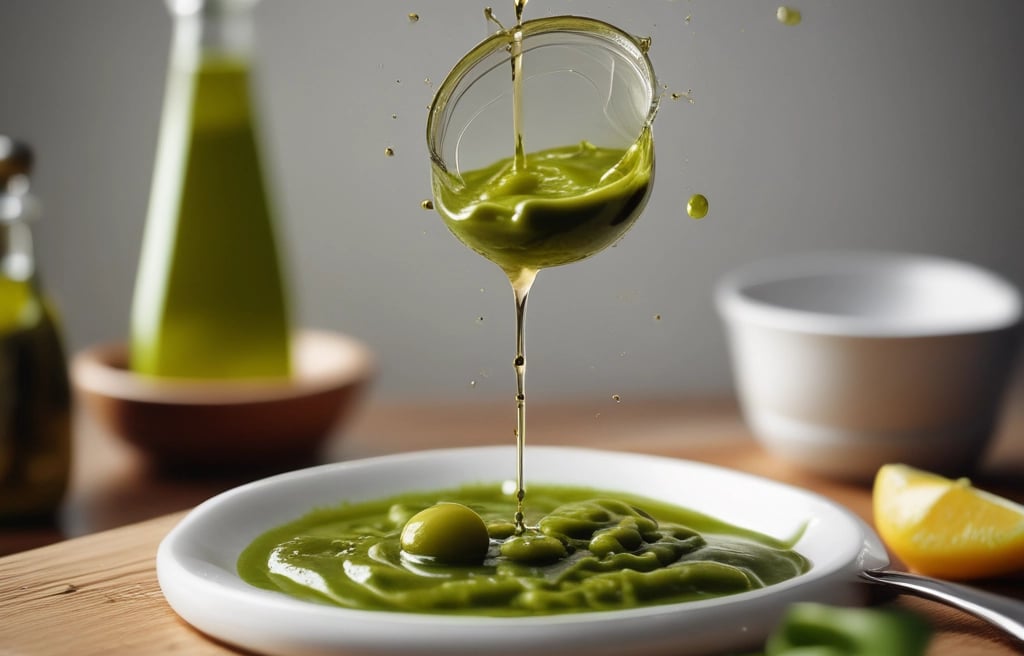
The Olive Oil Lie: How to Find an Authentic Bottle You Can Actually Trust
Let’s be honest—the olive oil aisle is a total minefield. You see "Extra Virgin" on every single label, fancy gold foil, and pictures of Italian hillsides. But the reality is that a huge chunk of what’s on grocery store shelves is, well... fake. Or at least, it’s not what it claims to be.
We’ve all heard the horror stories about "extra virgin" oil being cut with cheap sunflower oil or flavored with chlorophyll. It’s frustrating. You’re trying to do something good for your heart, and instead, you’re overpaying for processed junk.
So, how do you find an oil that’s actually authentic? It’s simpler than you think, but you have to stop looking at the pretty pictures and start looking at the fine print.
Forget the "Bottled In" Trap
Here’s a trick the big brands love: "Bottled in Italy." Sounds great, right?
Except it usually means the olives were grown in three different countries, shipped in a massive tanker, and then poured into a bottle in Italy just so they could stick that label on it. By the time it hits your kitchen, that oil is tired, oxidized, and has lost almost all of those healthy polyphenols you’re paying for.
The Three-Point Trust Test
If you want an olive oil you can actually trust, check for these three things. If a bottle doesn't have them, put it back.
The Harvest Date: Not the "Best By" date. I’m talking about when the olives were actually picked. Authentic producers are proud of this. If it was harvested more than 18 months ago? Skip it.
A Specific Region: Don’t settle for "Product of the EU." You want to see a specific estate or a protected region (like a DOP or IGP stamp in Italy, or a specific valley in California).
Third-Party Certification: Look for seals from the California Olive Oil Council (COOC) or the International Olive Council (IOC). These guys actually run lab tests to make sure the oil isn't rancid or fake.
Trust Your Taste (The "Cough" Factor)
At the end of the day, your mouth is the best BS detector.
Real, high-quality extra virgin olive oil should taste green. It should remind you of grass or tomato leaves. But the real clincher? A peppery kick at the back of your throat. That burn actually has a name—it’s caused by oleocanthal, a powerful anti-inflammatory. If you take a sip and it makes you cough? That’s the good stuff.
If it just tastes like greasy nothingness, you’ve been had.
The Bottom Line
You don’t need to spend $80 on a bottle of oil that you're afraid to use. But you do need to stop buying the bottom-shelf mystery blends. Buy a bottle that tells you exactly where it came from and when it was made. Your health (and your pasta) will thank you
Before you put that bottle in your cart, run it through this quick filter:
[ ] Dark Glass or Tin? Light is the enemy of olive oil. If it’s in a clear plastic bottle, it’s already degrading. Only buy dark green glass or opaque tins.
[ ] Is there a Harvest Date? Ignore the "Best By" date (that’s just a guess). Look for a specific "Harvest Date" or "Milled On" date. You want something from the most recent season—ideally within the last 12–14 months.
[ ] Does it name a specific city or estate? If the label says "Product of Italy, Greece, Spain, and Tunisia," it’s a factory blend of leftovers. You want a single origin. Look for a specific valley, estate name, or a DOP/IGP seal.
[ ] Check for a "Certified" Seal. Look for the COOC (California Olive Oil Council), EVA (Extra Virgin Alliance), or the IOC seal. These mean a lab actually verified that the oil inside matches the label outside.
[ ] The Price Check. Let’s be real: genuine extra virgin olive oil is expensive to make. If a 1-liter bottle is $6.00, it’s not the good stuff. Expect to pay at least $15–$25 for a decent, authentic bottle.
Pro Tip: Once you open it, use it. Authentic olive oil isn't a fine wine; it doesn't get better with age. Aim to finish the bottle within 30 to 60 days of cracking the seal for the best health benefits.
The Shortlist: Olive Oils That Aren't Total Fakes
If you’re tired of playing detective in the grocery aisle, these are three of the most transparent brands on the market right now. No "bottled in" mysteries, no hidden sunflower oil—just actual juice from actual olives.
1. The Reliable Standard: California Olive Ranch
This is usually my go-to recommendation because they practically pioneered transparency in US supermarkets. They were among the first to put harvest dates front and center.
The Catch: Stick to the "100% California" bottles. Their global blends are okay for high-heat cooking, but if you want the health benefits and the real flavor, you want the California-grown stuff.
Buy it here: California Olive Ranch 100% CA
2. The "Medicine" Grade: PJ Kabos
If you want that peppery kick that makes you cough (the sign of high polyphenols), this Greek oil is the real deal. It’s a family-run operation, and they are obsessive about their milling process. This isn't the stuff you use to grease a pan; this is the stuff you drizzle over your steak or salad after it’s done cooking.
The Catch: It’s more expensive, but you’re paying for some of the highest antioxidant counts in the world.
Buy it here: PJ Kabos Family Reserve
3. The Modern Workhorse: Graza "Sizzle" & "Drizzle"
I’ll be honest—at first, I thought the squeeze bottles were just a gimmick for "TikTok chefs." I was wrong. The opaque plastic actually protects the oil from light better than clear glass, and the squeeze top keeps air out.
The Catch: "Sizzle" is harvested later in the season for a more mellow flavor (better for cooking), while "Drizzle" is an early-harvest "powerhouse" meant for finishing. Use them accordingly.
Buy it here: Graza Sizzle & Drizzle Set
Quick Tip: The "Fridge Test" is a Myth
You might have heard that real olive oil solidifies in the fridge. Don't rely on that. Some fake oils will clump up, and some high-quality oils (depending on the olive variety) won't. The only real way to know is to check the harvest date and the third-party certification seals we talked about earlier.
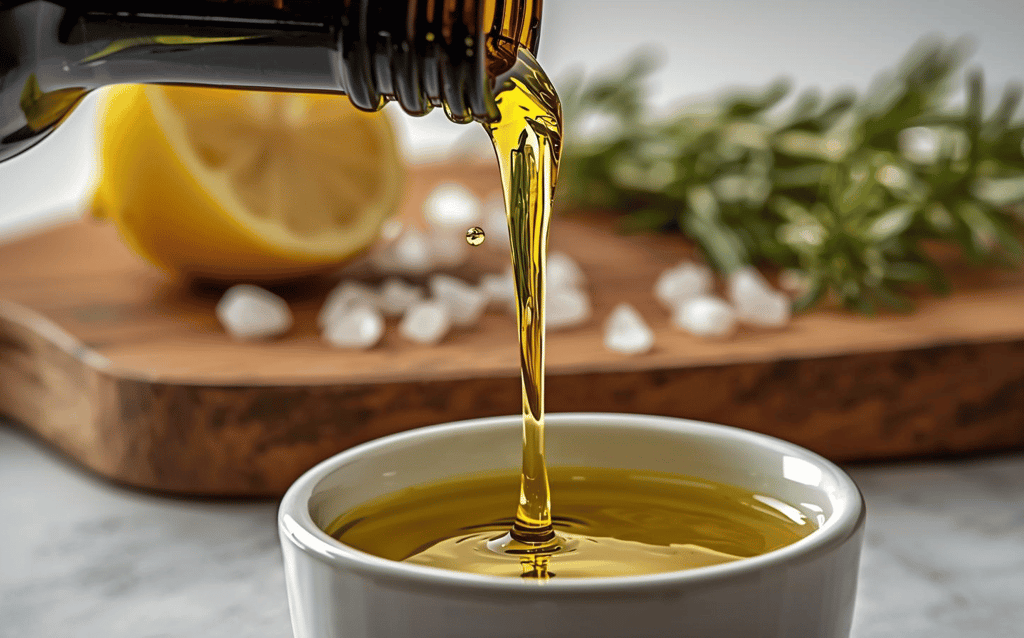
Contact
Téléphone
healthyyyyplus@gmail.com
+33 612379219