Embrace natural wellness with HerbalVoice. Expert insights on herbal remedies, superfoods, and holistic health to help you boost immunity, find balance, and thrive. Your journey to vibrant, natural living starts here
Are You Getting Enough Iron? A Complete Guide
Wondering if you’re hitting your daily iron targets? Dive into the essential facts, food lists, and real-life tips for getting enough iron from foods like chicken liver, beef, and seafood—especially tailored for women and men’s unique needs.
11/25/20253 min temps de lecture
Are You Getting Enough Iron? A Complete Guide with Everyday Foods
Wondering if you’re hitting your daily iron targets? Dive into the essential facts, food lists, and real-life tips for getting enough iron from foods like chicken liver, beef, and seafood—especially tailored for women and men’s unique needs.
Introduction
Does your energy sometimes flag, or do you struggle with brain fog? Iron deficiency is one of the world’s most common nutritional gaps, and it can quietly undermine your strength, vigor, and even immunity. But getting enough iron isn’t some complicated riddle—especially when you know which foods pack the biggest punch and how your needs shift with age and gender.
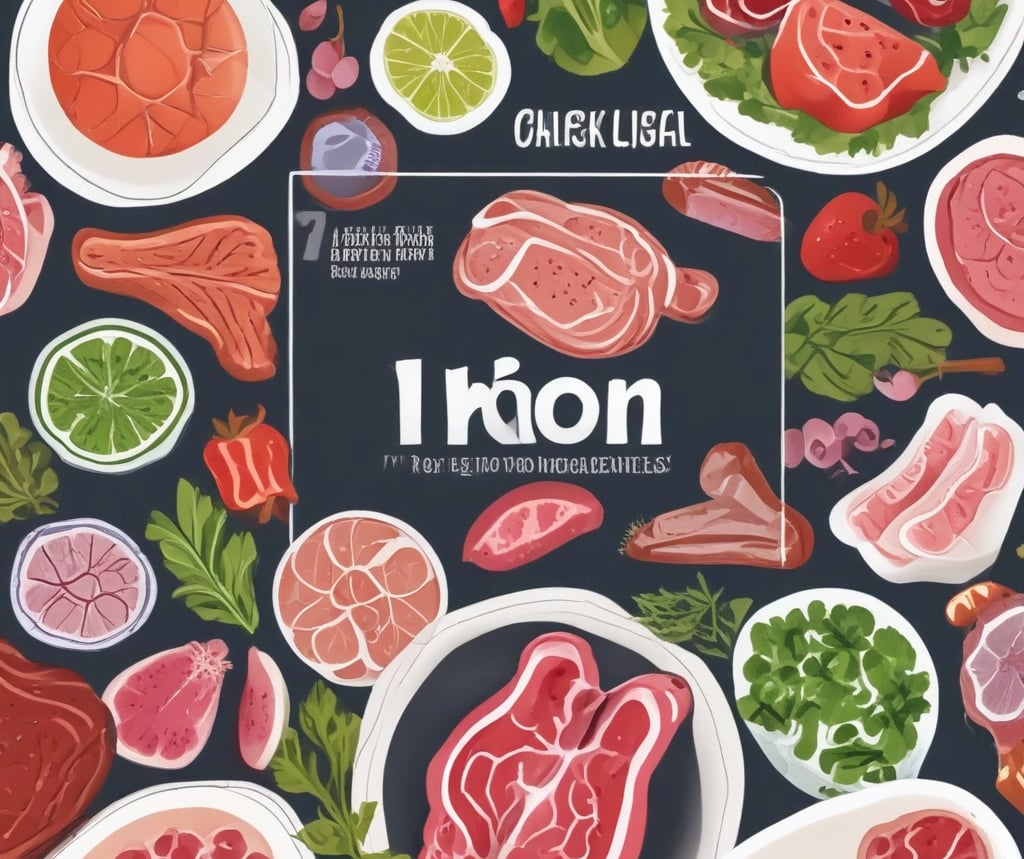
Let’s break down iron requirements, top animal sources, absorption tips, and practical ways to work more iron into your daily menu, with a handy reference to the most iron-rich foods featured in the chart.
How Much Iron Do You Really Need?
It’s not one-size-fits-all! Here are the basics:
Most women ages 19–50: need 18 mg/day.
Women over 50 and men of all ages: need 8 mg/day.
These higher numbers for women account for menstrual iron loss. Pregnancy and lactation increase needs further.
Skipping on iron can lead to fatigue, poor concentration, and even anemia, so meeting your personal target matters.
Why Animal-Based Iron Is So Absorbable
Not all dietary iron is created equal. Here’s why animal sources excel:
They provide heme iron, which your body absorbs 2–3 times more efficiently than plant (non-heme) iron.
This means chicken liver, beef, lamb, and seafood offer a more reliable iron boost per serving.
Chart Breakdown: Top Iron-Rich Foods per 100g
FoodIron (mg)Chicken Liver9.8Beef3.5Oysters3.5Lamb3Sardines3Eggs (2)1.7Canned Salmon1.3Tinned Tuna1.0Prawns0.9Pork0.8Chicken0.4Fish (varied)0.3–0.4
Chicken liver stands out as a star—just 100g can deliver more than half the daily requirement for women and over the entire recommended amount for men. Beef, oysters, lamb, and sardines are also strong options.
Key Benefits of High-Iron Foods
Support red blood cell formation and oxygen transport—critical for energy, stamina, and concentration.
Boost immunity and cellular repair.
Help avoid or recover from iron-deficiency anemia, which can lead to hair loss, brittle nails, and pale skin.
Smart Ways to Boost Iron Absorption
Getting iron isn’t just about eating—it’s about maximizing what your body can use:
Pair high-iron foods with vitamin C-rich ingredients (like citrus, tomatoes, strawberries, or peppers). Vitamin C enhances non-heme iron absorption.
Avoid drinking large amounts of coffee or tea with iron-rich meals; the tannins can inhibit absorption.
Rotate iron sources so you benefit from heme and non-heme options.
Who Might Need Extra Iron?
Women with heavy menstrual cycles.
Pregnant and breastfeeding women.
Vegetarians and vegans (they require more due to less absorbable plant iron).
Endurance athletes and children in growth spurts.
Consult with a doctor if you suspect deficiency; symptoms include tiredness, weakness, frequent infections, and dizziness.
Creative Ways to Add Iron-Rich Foods
Bullet‑point iron into everyday meals:
Sauté chicken liver with onions and serve over toast for a retro-nutritious breakfast.
Make beef stir-fry with broccoli and bell peppers (iron plus vitamin C).
Swap regular tuna for sardines on salads or crackers.
Bake lamb chops with rosemary, garlic, and lemon.
Add a side of prawns or oysters to pasta dishes.
Try eggs on whole-grain toast with a citrus fruit for breakfast.
Use canned salmon in patties, wraps, or salads.
Frequently Asked Questions
Is animal iron the best source?
Yes, animal (heme) iron is more efficiently absorbed, but plant sources can also contribute when paired with vitamin C.
Is chicken liver safe to eat often?
Chicken liver is highly nutritious and one of the richest iron sources, though it’s also high in vitamin A—consume in moderation, and avoid excess during pregnancy.
Do men need much iron?
Men have lower requirements (8mg/day), but iron still supports energy, muscle function, and overall health.
What if I’m vegetarian or vegan?
Beans, lentils, tofu, nuts, seeds, dried fruits, and dark leafy greens all contribute iron, though with lower absorption—pair with vitamin C and track intake.
Conclusion
Getting enough iron doesn’t have to mean crazy supplements or daily steak dinners. A balanced plate with chicken liver, beef, seafood, and eggs can quickly hit your daily target, especially for women, while creative meal-planning and absorption tips make it easy to get what you need—no matter your eating style or schedule. Your blood, brain, and body will thank you for staying iron strong!
Contact
Téléphone
healthyyyyplus@gmail.com
+33 612379219